Brands
LeEco stores in two months, targets 500 stores over one year
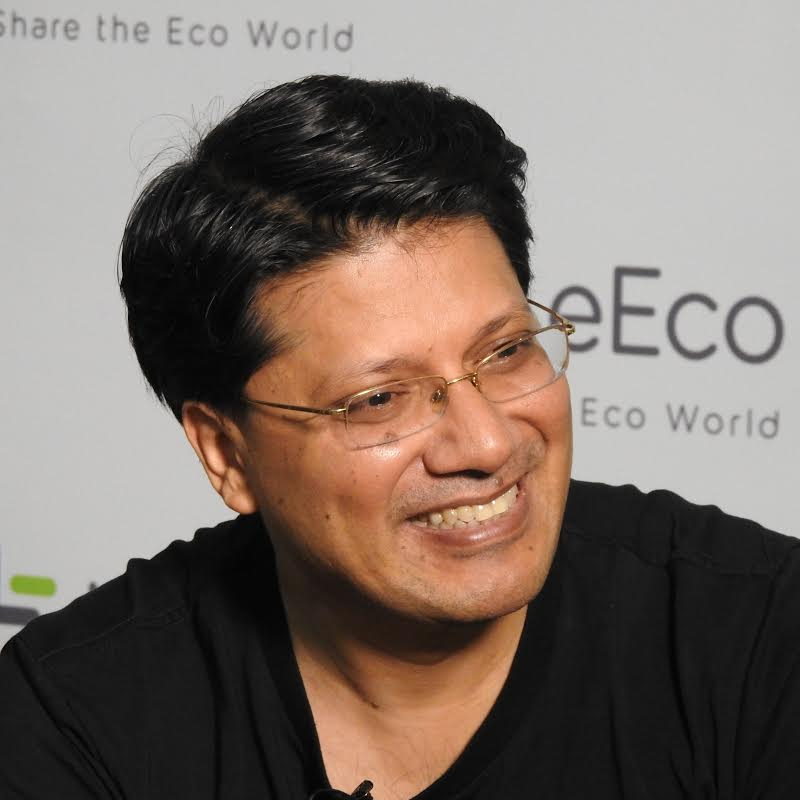
BENGALURU: Chinese technology player LeEco which has had a number of launches of smartphones since it ventured into India in late January this year plans to have about 500 brick and mortar stores in India once it receives FIPB (Foreign Investment Promotion Board). Excerpts of a two minute interaction with LeEco COO of Smart Electronics –India Atul Jain on the side lines of a press conference for the launch of LeEco’s Le 2, Le Max2 smartphones and Le Mall in New Delhi yesterday:
When is LeEco likely to launch brick and mortar stores?
We are looking at FIPB approvals to come. As soon as we get the approvals from the government, we’ll start. It’s been two months since we have applied, normally the approval process takes around 3 to 4 months, so in a month or two we should get the approvals after which we’ll need some setup time.
How many stores are you looking at in the first phase?
We are looking at about 500 stores including franchise stores over the next one year from the date of our first store. Just to give you an update, we have started our brick and mortar distribution which is selling through brick and mortar stores yesterday. So now our Le 1s is available in brick and mortar, mom and pops stores, independent stores, multi-brand stores, besides online.
Do you have the supply chain to these outlets in place?
Yes, we have our supply chain in place for that.
What about your OTT platform? How long do you plan to continue giving it along with the cost of a phone, given that most cell phones now have a usage life of a year or less? Are you going to continue offering the Rs 4,999 Supertainment package included in the cost of the phone?
As of now, that’s what we are announcing. Even for the two new phones that we have launched today – Le 2 and Le Max2, the Supertainment package for a year is included in the cost of the phone. Eventually in the long term, there will be a payment mechanism. It will be on a monthly basis
What about LeEco’s own production facilities in India?
That’s also coming up. It’s difficult to say exactly when. It’s likely to happen in the next six months or so.
Do you plan to bring the four brands on your OTT platform under a single brand? Do you plan to offer these options separately?
We might. As of now we will offer the subscribers everything. Maybe eventually we will offer subscribers’ a choice. As of now we are just trying to get our content to move.

Brands
73 million urban Indians overweight, just 4.99 per cent aware of GLP-1: Kantar report
South India leads in risk as treatment literacy struggles to keep pace
NATIONAL: Urban India is edging towards what researchers call a metabolic inflection point. Sedentary work, richer diets and stress-heavy lives are swelling the ranks of the overweight and diabetic, forcing a rethink of healthcare priorities.
Ahead of World Obesity Day, Kantar India released its GLP-1 Opportunity Index Report, mapping the scale of the crisis and probing awareness of GLP-1 therapies, a fast-rising class of drugs used globally to manage diabetes and cut weight.
The numbers are stark. Roughly 20 per cent, or 73 million, of urban Indians aged 15 and above are overweight or obese. An estimated 101 million Indians live with diabetes, while another 136 million hover at pre-diabetic risk. Urban prevalence stands at 14.2 per cent, far above rural India’s 8.3 per cent.
Yet treatment literacy lags. Although 85 per cent of overweight individuals say they are trying to lose weight, just 4.99 per cent of urban Indians are aware of GLP-1 therapies.
Where awareness exists, intent follows. Among diabetics who know of GLP-1 drugs, 49.2 per cent say they are likely to use them. Some 44.1 per cent favour weekly dosage formats, signalling appetite for convenience-led care.
The burden is not evenly spread. Gen X accounts for 40 per cent of the overweight base and 73 per cent of urban diabetes cases, making mid-life Indians the epicentre of the crisis. Affluent NCCS A households , 40 per cent of the urban population, represent 46 per cent of the overweight segment. Within this group, 36 per cent report having experienced diabetes in the past year.
Geography sharpens the divide. South India makes up 36 per cent of the overweight population and 43 per cent of urban diabetes cases. Kerala and Telangana lead in penetration, a pattern the report links to rapid urbanisation, sedentary jobs and lifestyle shifts.
Kantar director specialist businesses, South Asia Puneet Avasthi, called the obesity-diabetes spiral one of the decade’s most consequential healthcare turning points. The commercial opportunity for GLP-1 therapies, he said, is sizeable, but will hinge on education and speed.
Kantar associate vice president, specialist businesses, South Asia Soumajit Dey said the study quantifies the yawning gap between disease burden and treatment awareness, offering sharper cues for regional and demographic targeting.
The media prescription is equally pointed. Television, with 79 per cent reach among high-risk, mid-life audiences, should serve as the anchor medium, the report argues, backed by digital, print, radio and outdoor to push reach towards 95 per cent and sustain engagement.
As global fervour around next-generation metabolic drugs intensifies, India looks less like a late entrant and more like an under-informed giant. For pharma and healthcare brands, the window to define leadership in the GLP-1 race may be narrow and lucrative.