Ad Campaigns
LeEco first ever TV campaign highlights unique features of its Superphones
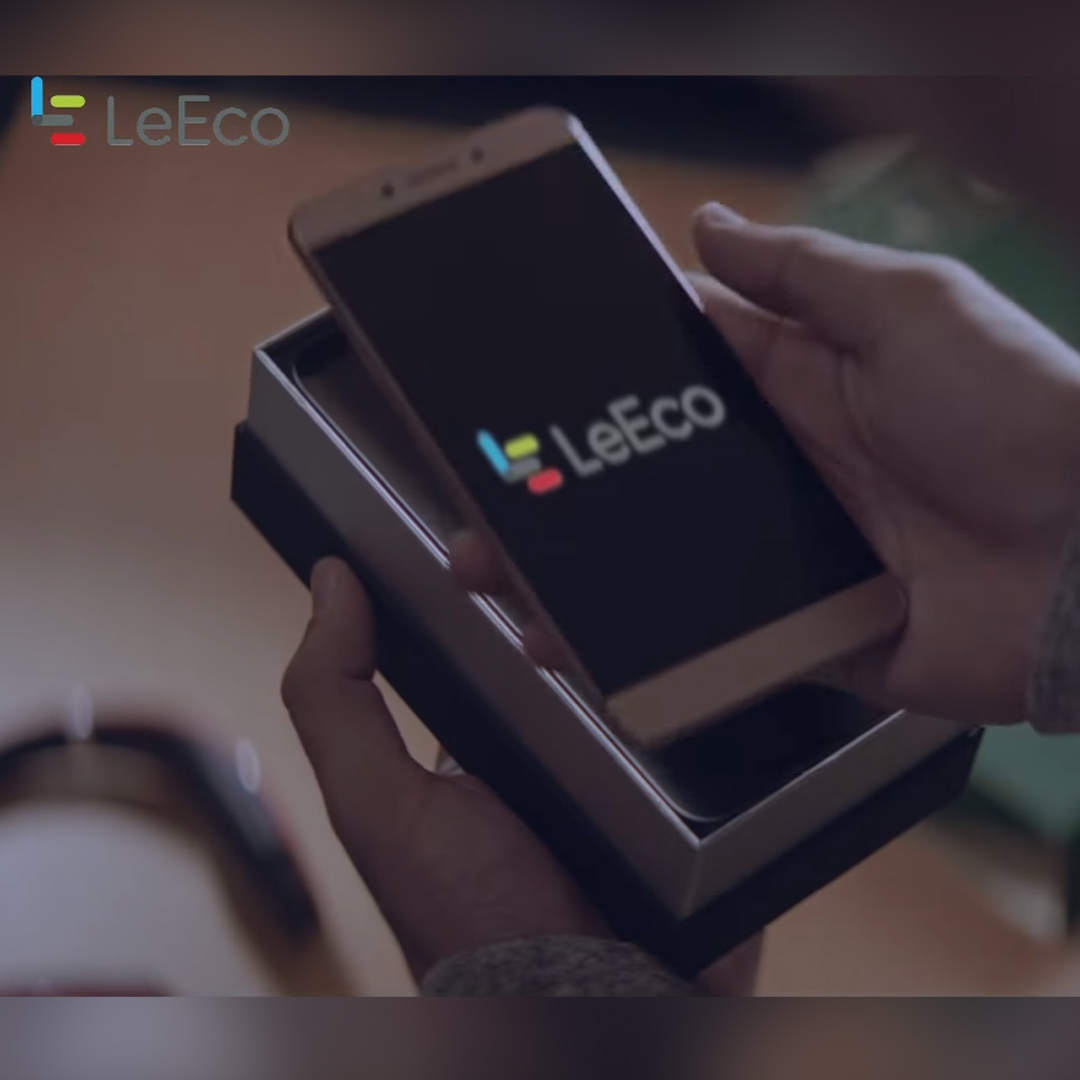
NEW DELHI: Global internet and technology conglomerate LeEco has launched its first TV campaign for the second generation Superphones Le 2 and Le Max2 demonstrating the supreme specifications of the two Superphones including LeEco’s patented CDLA technology.
“We launched in India with focused digital and front page print strategy. This undoubtedly created a big impact and worked very well for the brand. Now, in tandem with our rapid growth we have expanded our marketing arsenal to include outdoor and Television. Our TVC rides on the basic insight that Millennials (our primary target audience), relate to a futuristic approach which aligns perfectly with the brand’s proposition. Through this TVC, we seek to communicate key differentiators of our disruptive Superphones, specifically our CDLA technology and the content ecosystem.”, said LeEco India Vice President Marketing Communications, Smart Electronics Business Manish Aggarwal.
The TVC has been conceptualized and created by J Walter Thompson India, one of India’s leading Advertising agencies in India. The TVC runs across a bouquet of channels targeted at the urban youth. The TVC first went on air on 10 August 2016 across 60+ channels.
JWT Bangalore Managing Partner Joy Chauhan said: “Today’s youth is constantly living intomorrow and technology brands like LeEco are making it possible for them to do that seamlessly. Today, Content is the King and the youth its biggest consumer. The TVC mirrors the desire of today’s youth and offers the perfect solution in LeEco Superphones with path breaking CDLA technology to enable them to live the future”.
The TVC showcases some distinct features of Le 2 and Le Max2. Both Superphones pioneer the industry first CDLA (Continual Digital Lossless Audio) Standard and come with USB Type-C audio port, clearly demonstrated in the TVC. It also illustrates how users can immerse themselves in an ultimate experience that the ecosystem enabled superphones offer them.

Ad Campaigns
Amazon Ads maps 2026 as AI and streaming rewrite ad playbooks
NATIONAL: Amazon Ads has laid out a sharply tech-led vision for the advertising industry in 2026, arguing that artificial intelligence, streaming TV and creator partnerships will combine to turn brand building into a more precise, performance-driven business.
At the heart of the shift, the company says, is the fusion of AI with Amazon’s vast trove of shopping, browsing and streaming signals, allowing advertisers to move beyond blunt reach metrics to campaigns designed around real customer behaviour.
“The future of advertising is not about reaching more people, but the right people with messages that resonate,” said Amazon Ads India head and vice president Girish Prabhu. “By combining AI with deep customer insights, we help brands move from broadcasting campaigns to having meaningful conversations wherever audiences spend their time.”
One of the biggest changes, according to Amazon Ads, will be the collapse of the wall between media planning and creative development. Retail media, powered by first-party data, is increasingly shaping everything from brand discovery to final purchase, pushing marketers to design campaigns around audience insight rather than internal instinct.
AI is also moving from a support tool to a creative engine. Agentic AI, which automates and accelerates production, is expected to make high-quality creative accessible even to small businesses, compressing weeks of work into hours and giving challengers the ability to compete with larger brands on speed and scale.
Behind the scenes, AI-driven analytics will take on a bigger role in campaign optimisation, identifying patterns, spotting opportunities and recommending actions that would previously have required teams of analysts.
Streaming TV is another big battleground. With India’s video streaming audience now above 600 million and connected TV users at 129.2 million in 2025, advertisers are set to treat streaming not just as a branding channel but as a performance engine, measured increasingly by sales, sign-ups and bookings rather than just reach.
Finally, Amazon Ads sees creators and contextual advertising reshaping how brands tell stories. Creators will act less like influencers and more like long-term partners, while scene-aware ads on streaming platforms will allow brands to insert hyper-relevant offers into the flow of what viewers are watching.
Taken together, Amazon Ads argues, these shifts mark a move towards advertising that is both more human and more measurable, where AI handles the complexity, and creativity does the persuading.