High Court
TV ad-cap case in Delhi HC deferred till Jan ’18, Home Cable matter to come up too

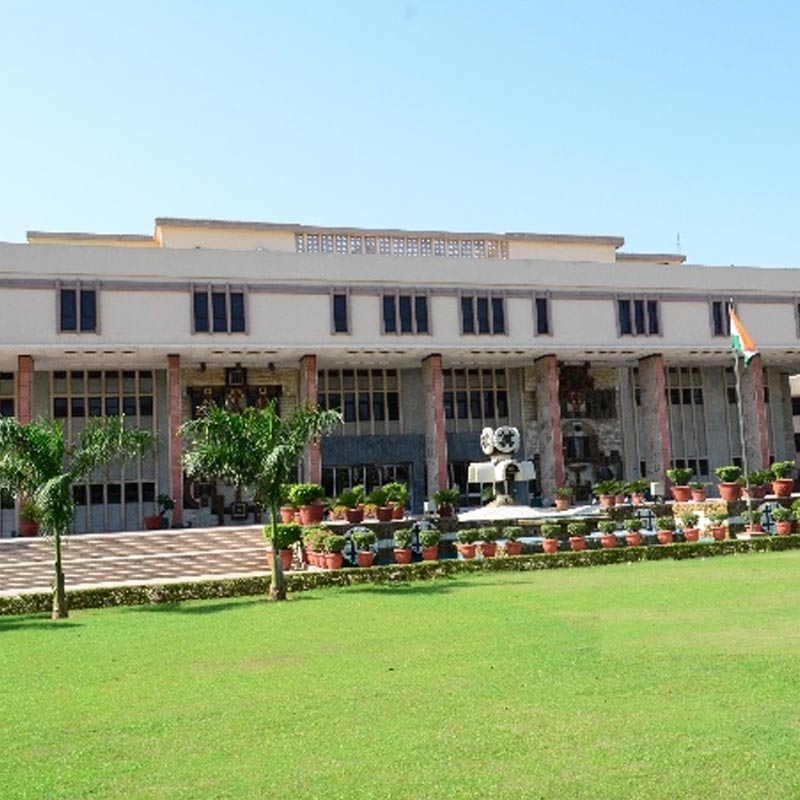
NEW DELHI: The Delhi High Court has again adjourned the hearing of the case of ad cap on television channels, this time to early next year, as the concerned bench was hearing part-heard matter.
On 21 April 2017, the matter, which will now be heard on 16 January, 2018, had been put off by the concerned bench for the same reason. Earlier, on 12 January 2017, it had been put of as the then Chief Justice G Rohini did not sit that day. The matter had come up today before the acting chief justice Gita Mittal and justice Jayant Nath.
In the hearing on 29 March 2016, a plea was made on behalf of the information and broadcasting ministry that a proposal was being contemplated to amend the relevant provision relating to limiting ads to 12 minutes an hour.
(Thus, the hearing has been pending for almost three years since then information and broadcasting minister Arun Jaitley in January 2015 had said at a public function that he did not see the need for any kind caps on the media.)
When the case comes up next, the court is also expected to take up an application by the intervenor — Home Cable Network Pvt Ltd — seeking vacation of the order that had stayed action against (ad cap rule) ‘violating’ television channels.
On 13 May 2016, the court had agreed to take up vacation of stay at the next hearing. The court had, on 11 February 2016, agreed to take up the application by Discovery Communications to intervene in the matter.
Earlier, on 27 November 2015, the court presided over by the chief justice had said the matter had been pending for sometime and, therefore, it would hear and conclude the case in the next hearing.
On that day, the MIB had informed the court that it was in talks with the News Broadcasters Association (NBA) and other stakeholders on the issue of the advertising cap. This was the first time that the ministry had put in an appearance in the petition filed by the NBA against the Telecom Regulatory Authority of India (TRAI) and others.
The case, filed by NBA and others against TRAI and the Union Government, had been adjourned from time to time on the plea that the government and the broadcasters are in talks on this issue.
The court has already directed that the order that TRAI would not take any action against any channel pending the disposal of the petition would continue to be in force. At an earlier hearing, the court had, at the regulator’s instance, directed that all channels keep a record of the advertisements run by them.
The NBA had challenged the ad-cap rule, contending that TRAI does not have jurisdiction to regulate commercial airtime on television channels. Apart from the NBA, petitions had been filed by Sarthak Entertainment, Pioneer Channel Factory, E24 Glamorous, Sun TV Network, TV Vision, B4U Broadband, 9X Media, Kalaignar, Celebrities Management, Eanadu Television and Raj Television.
Meanwhile, a separate petition filed in the high court by Vikki Choudhry and Home Cable Network, which too will be heard on the next date, seeks to charge MIB with dereliction of duties in taking action against the ‘offending’ pay TV broadcasters for violating the terms and conditions of the licenses/permission for uplinking and downlinking.
The court had in June last year asked the ministry to file its reply in four weeks in this matter. A notice was issued only to the ministry, although the petition also listed several other broadcasting companies as respondents.
Also read:
TV adcaps case in Delhi HC deferred to 20 April
Cap on TV ads, challenge to stay ‘action against channels’ hearing put off
137 GEC and news pay channels violated ad cap rule in second quarter