Brands
ITC to use 100% reusable, recyclable or compostable packaging

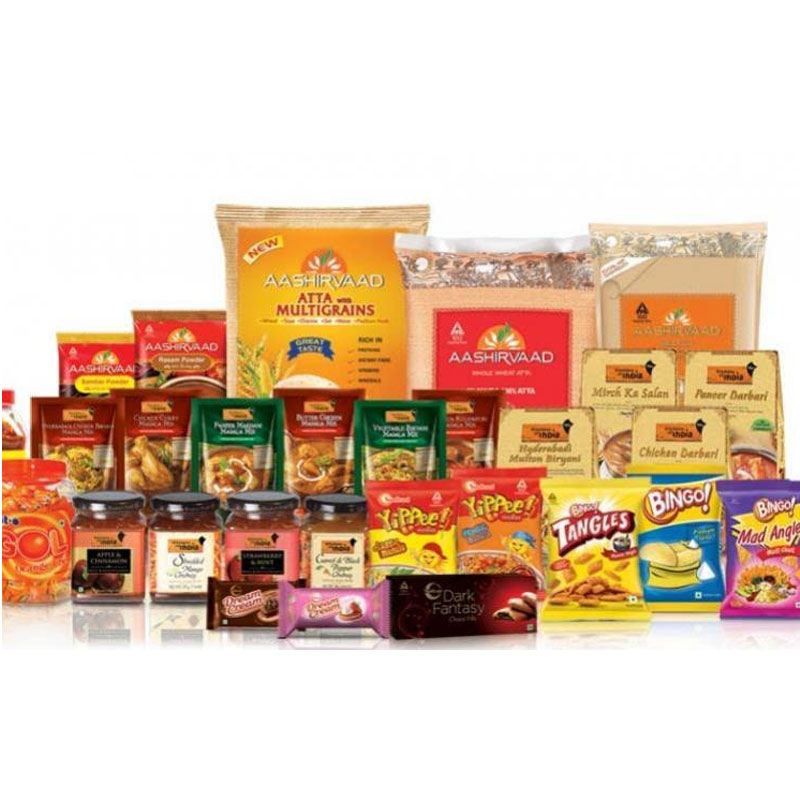
MUMBAI: Multi-business conglomerate, ITC Limited has pledged that over the next decade, going beyond its Extended Producer Responsibility, it will deploy superior solutions so that 100 percent of its product packaging will be reusable, recyclable or compostable.
ITC also reiterated that it is committed to scale up its solid waste management programmes and sustain its leadership position as a Solid Waste Recycling Positive Company.
ITC’s initiatives in the solid waste management of which plastic waste management is a significant component, aim at providing a 360-degree solutions framework to address the critical issue of waste management through packaging optimisation, resource conservation, recycling of waste generated in its operations, source segregation, collection, reuse and recycling. Already over 99 percent of waste generated in ITC’s operations is recycled. ITC’s holistic solid waste management initiatives has now extended to 10 states across the country, covering cities, towns, villages and temples.

In a true spirit of public-private-people partnership, ITC’s waste management models including the flagship initiative Wellbeing Out of Waste, encompass community awareness, segregation, promotion of recycling and reuse through capacity building and development of social entrepreneurship. 100 per cent dry waste including plastic waste is sent for recycling.
ITC Ltd managing director Sanjiv Puri says, “The problem of solid waste management is one of the epic proportions and requires each organ of the society and more so, enterprises that are large economic organs of the society, to make a meaningful contribution. Wellbeing out of Waste (WOW) focuses on providing an end-to-end sustainable and a scalable solution spanning the entire value chain right from awareness, segregation, collection and promotion, reuse or recycle of solid waste. The benefits of these are already available to 77 lakh citizens of the country and over time, we are going to scale this up and enhance our contribution to the Prime Minister’s Vision of Swachh Bharat.”
“As a Company which is carbon positive, water positive and solid waste recycling positive for over a decade, ITC is committed to shaping a secure, sustainable and inclusive future through superior Triple Bottom Line performance,” he added.
Other than the Wellbeing Out of Waste (WOW) programmes that is operational in cities and large towns, ITC has initiated a number of community-managed projects in villages and towns to address the issue of waste management. Under ITC’s Green Temple initiative, three of Tamil Nadu’s eminent temples are turning their premises into zero garbage zones by recycling the organic waste from daily offerings – benefitting both the temples and their neighbourhoods with cleaner and healthier surroundings.
ITC is also collaborating with the municipal corporations of Delhi, Hyderabad, Bengaluru, Saharanpur, Muzaffarpur, among others to ensure cleaner and greener cities.
WOW works by building partnerships, giving each stakeholder including rag-pickers and waste workers a role and responsibility and leveraging their capabilities as productively as possible. It optimises resources – using existing infrastructure where available and creating new where required.







Brands
Godrej clarifies ‘GI’ identifier after logo similarity debate
Says GI is not a logo, will not replace Godrej signature across products.
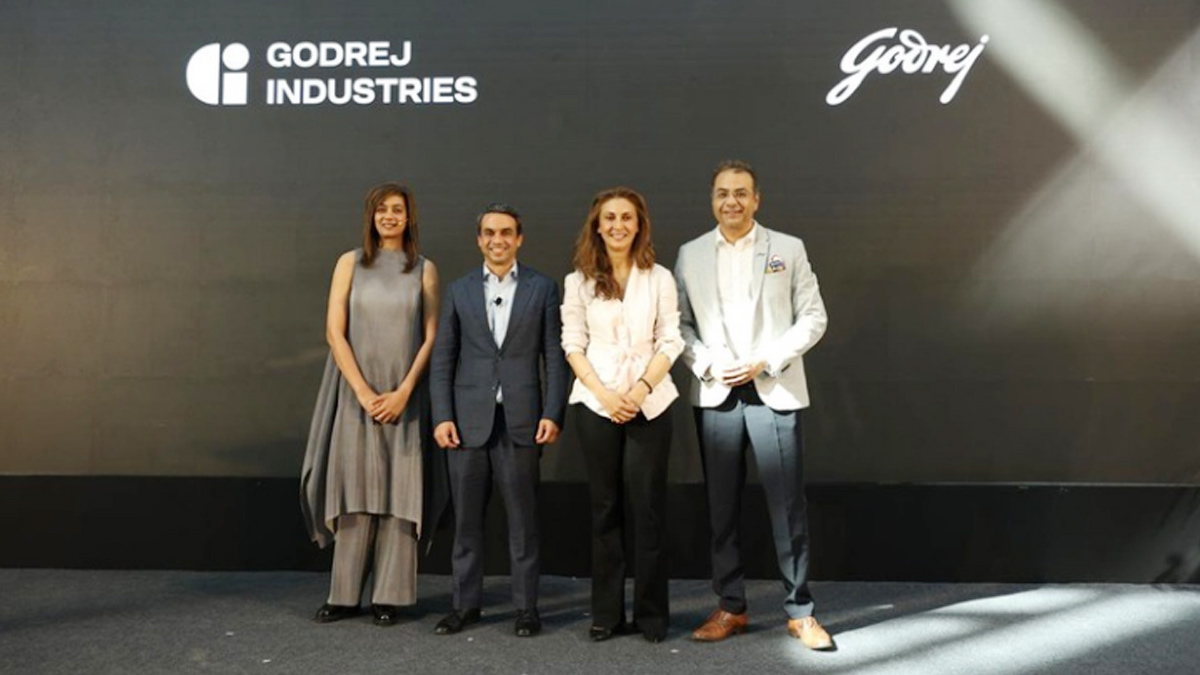
MUMBAI: In a branding storm where shapes did the talking, Godrej is now spelling things out. Godrej Industries Group (GIG) has issued a clarification on its newly introduced ‘GI’ identifier, addressing questions around its purpose and design following a wave of online criticism. At the centre of the debate were two concerns: whether the new mark replaces the long-standing Godrej logo, and whether its geometric design mirrors other corporate identities.
The company has drawn a clear line. The Godrej signature logo, it said, remains unchanged and continues to be the sole logo across all consumer-facing products and services. The ‘GI’ mark, by contrast, is not a logo but a corporate group identifier intended for use alongside the Godrej signature or company name, and aimed at stakeholders such as investors, media and talent rather than consumers.
The need for such a distinction stems from the 2024 restructuring of the broader Godrej Group into two separate business entities. With both continuing to operate under the same Godrej name and signature, the identifier is positioned as a way to differentiate the Godrej Industries Group at a corporate level.
The rollout, however, triggered a broader conversation on design originality. Critics pointed to similarities between the GI mark’s geometric composition and logos used by companies globally, raising questions about distinctiveness.
Responding to this, GIG said its intellectual property and legal review found that such overlaps are common in minimalist, geometry-led design systems. Basic forms such as circles and rectangles appear across dozens of brand identities worldwide, the company noted.
It added that the identifier emerged from an extensive design process and was chosen for its simplicity, allowing it to sit alongside the Godrej signature without competing visually. While acknowledging that elemental shapes may appear less distinctive in isolation, the group emphasised that the mark is part of a broader identity system that includes a custom typeface, sonic branding and other proprietary elements.
Following legal and ethical assessments, the company said it found no impediment to using the identifier, reiterating that the GI mark is a corporate tool not a consumer-facing symbol.
In short, the logo isn’t changing but the conversation around it certainly has.