MAM
M&E industry welcomes FDI in media, TV channel for startups from budget 2019

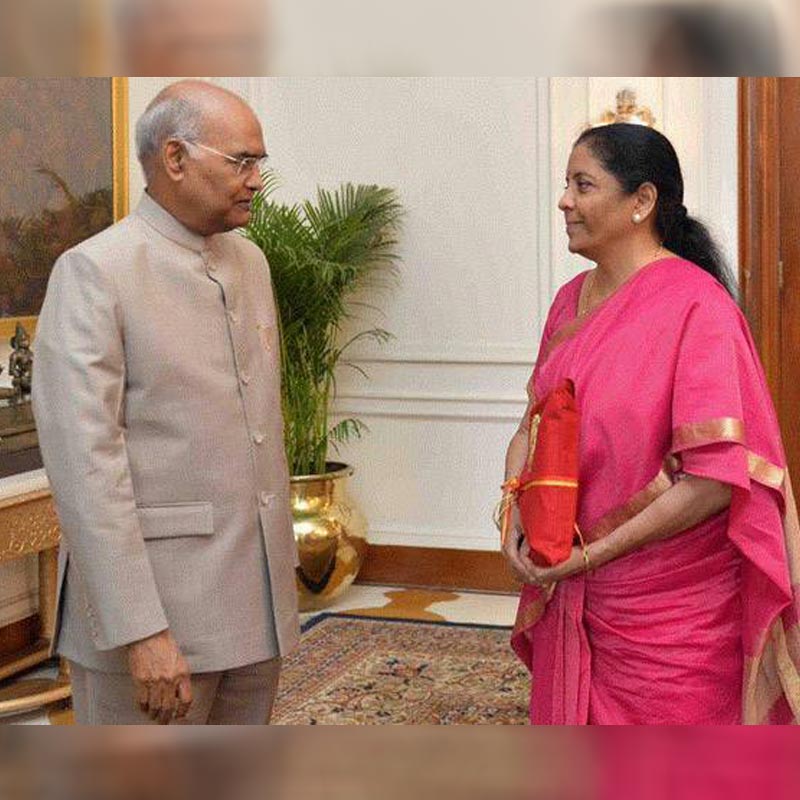
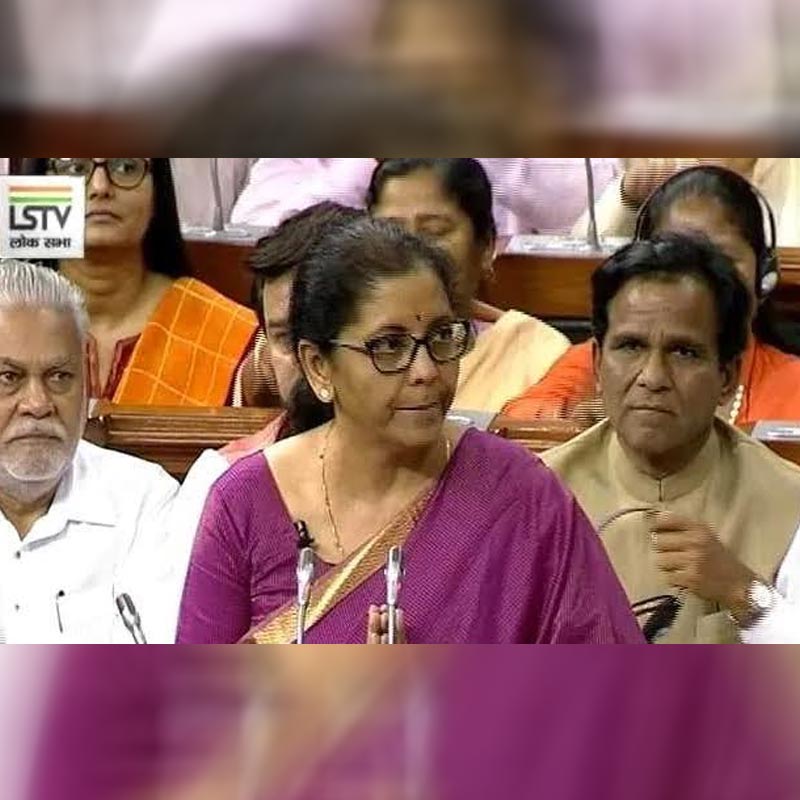
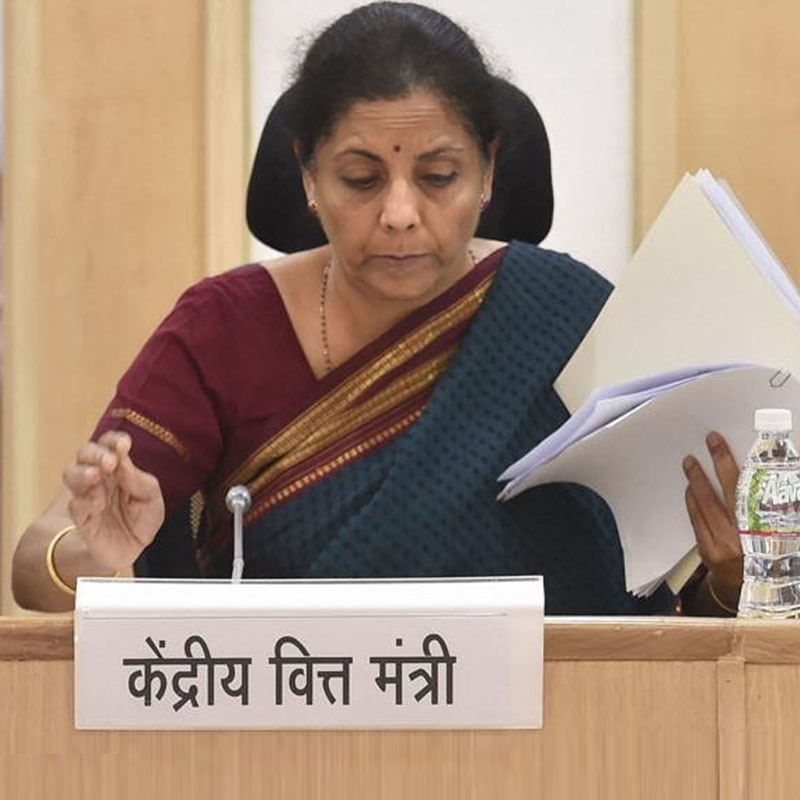
MUMBAI: The media and entertainment industry had high expectations from the first budget of Modi 2.0 government, announced by new finance minister Nirmala Sitharaman on 5 July. From reduced GST on smartphones and advertising to increased focus on the development of digital India, they had varied expectations from the budget.
While not all their wishes have come true, the industry is quite pleased with the budget and has been lauding initiatives like allowing FDI in the media sector, launching a channel for startups under the DD umbrella, and easing the environment for SMEs and startups.
BARC India CEO Partho Dasgupta says, “The budget directionally augurs well for boosting long-term economic growth by focus shown on infrastructure improvements, strengthening benefits to MSME sector and investments on improved skill sets of human recourses. Steps taken to attract investments by relaxing FDI, FPI and NRI norms, coupled with boosting public sector banks and NBFC, will trigger the much-desired credit boost.”
He further adds, “Coming to the M&E industry, one will have to carefully look at the impact of allowing FDI in the media sector. We are happy as BARC India, for the impetus given to startups which will further propel efforts of the overall industry on innovation and digitisation.”
Hailing the extended focus of the government on Digital India, Gaana CEO Prashan Agarwal quips, “This budget, we are particularly excited about the potential of Bharat Net in facilitating free access to digital-first services like governance, education, banking and entertainment across rural India. As every panchayat in the country gets internet connectivity, it will make way for an entire generation of digitally literate citizens who live better lives and create a vibrant market for internet entrepreneurs & businesses.”
Times Internet CEO Gautam Sinha is also appreciating the FDI and tax benefits. “The government’s progressive steps in opening up FDI further in the media, tax benefits for corporate taxpayers and annual meet to get industrialists, corporate leaders and venture funds on the same table would offer significant impetus to the private sector. We are hopeful these measures along with efforts to improve the skills of our youth in newer areas such as artificial intelligence, big data, robotics, etc will trigger a virtuous cycle of investment & consumption that will catapult us towards becoming a $5 trillion economy.”
Worldwide Media Ltd CEO Deepak Lamba adds, “The current budget is well and truly encouraging. The opening up of FDI in the media and entertainment sector is a welcoming and promising initiative. This is a big step for content creators like us, for it now opens up a host of different avenues for the digital world. It's a budget that the digital entertainment industry will certainly benefit from this. The growth of India’s FDI inflows for 2018-19 was a resounding 6 per cent increase compared to last year will have a positive impact for all players across sectors in the long run.”
Batooni Mobile Advertising startup director and co-founder Jitendra Chaturvedi says, “If the budget proposals are followed up this should mean, for small businesses, relief in compliance and opening up of new sources of funding courtesy the proposed changes in venture funding scrutiny and taxation. If the money does find its way in infrastructure the way the FM has laid out, the economy should see some pick up that is absolutely necessary for the survival of small businesses. This will help the economy turn a corner soon.”
Pleased with the announcement around the launch of TV channels for startups, My Operator founder Ankit Jain notes, “Startups are an integral catalyst for boosting Indian economy landscape. The proposed TV channel for supporting startups and entrepreneurs in India would certainly spread a new wave of hope in the startup community. It will benefit talented startups which dealt with challenges like exposure, branding, and may help in receiving funding from investors.”
Headsup Corporation director Sumit Kumar adds, “This is a good initiative by government. However, the real benefit will come in terms of the kind of content which is generated. The platform must simple and easy to grasp which provides “Start up Literacy”. Further, the platform must focus on budding entrepreneurs and help them understand the ‘Why? How? When?’ of starting up. Further, if the platform can also be created in multi-languages then it will help in penetrating to the rural areas across the country.”
“Indian economy is all set to become a $3 trillion economy and the first Budget by the Modi government has introduced several benefits. Budget Proposes More Foreign Investment in Media, currently the FDI stands at 49% for the private FM radio industry which we now hope will be opened up to 100% like DTH and Entertainment. Liberalization of same will also majorly help in private FM station to reach the current media dark cities in India and adapt new era digital technologies and best practices being followed globally,” RED FM and Magic FM COO and Director Nisha Narayanan says.
“The budget facilitates the transformation of the Indian economy into a digital economy with special focus on cash less transactions . We hope that in long run, we will be able to derive the benefits of the special initiatives and incentives announced by the Financial Minister for tax rebate on e-vehicles, push for affordable housing, increase in the turnover limit of 400 crore for companies to fall in the tax bracket of 25%. Additional deduction benefit on home loans, focus on empowering women and announcing infrastructure push for railways, highways and education will also be beneficial for the radio sector,” she adds.
The industry is also upbeat about the initiatives taken in the budget to strengthen digital technologies like AI. It was also a prime concern for them in their pre-budget expectations.
Makani Creatives co-founder and managing director Sameer Makani is hopeful that the new budget will bolster innovation and growth. “The advertising and digital industry need an additional skilled workforce. The proposal to train 10 million personnel in industry-relevant skills like AI, IoT and Big Data is a welcome move. This investment will result in creating jobs and also boost long-term growth for the digital industry. Also, the overall economic development and ease of business proposed will encourage Indian and international companies to invest more in allied functions like advertising and promotions. This will have a positive impact on our sector and is likely to generate more growth and
Bobble AI CEO and founder Ankit Prasad says, “We welcome the move by honourable finance minister to improve the skills of our youth in newer areas such as AI, big data, etc. In fact, we at Bobble AI would be happy to contribute in such moves, given a chance. We feel India is lagging behind big time and we have to catch up with the US and China on AI front faster. Due to the scarcity of such talent in India, we had to bring back people like Mrinal Sourav from the US to India in such roles.”
He adds, “Again, we appreciate the move to resolve the issue of angel tax and the government's intent but we don't see the plan in action yet given multiple cases where startups including us were harassed by the IT department for no good reason. We are hopeful that the situation will change with increased intervention and checks and balances being introduced by govt.”
Dentsu Aegis Network CEO Greater South and chairman and CEO India Ashish Bhasin says, “The Budget is certainly more inclusive and is focused towards providing a better lifestyle to the common man. From providing better access to toilets, better connectivity by roads and digitally, to promoting the ease of living, this year the budget actually showcases a lot of good stuff.”
“The government's decision to examine the opening up of foreign direct investment (FDI) in media, is beneficial for the sector. However, some of the actions of the government do seem contradictory and a letdown. The expectations from a government coming with such a majority was that they would undertake substantial reforms, stimulate growth and cut tax rates. However, they have missed the opportunity to do so and have acted contradictorily by implementing surcharge on HNI individuals. Despite everything I expect the next 10 years to be very bright for India,” he adds.
GOQUEST Media Ventures managing director Vivek Lath says, “The easing of angel tax is a very positive measure by the government. The startup community is at the forefront of innovation in this country and across the world. Angel tax was becoming a draconian issue and was stifling innovation at its stem. There is more investment chasing the media and entertainment sector today than ever before. It is important we encourage this investment and not penalise the entrepreneurs and investors for contributing to the economy.”