iWorld
Where’s Quibi headed for in the OTT world?

MUMBAI: The streaming video landscape continues to fragment in 2020, as a growing number of streaming services join the fight for subscribers and users within an already competitive space. As a result, the global number of SVoD subscriptions is estimated to exceed 1 billion by mid-2020. Other streaming video services across social media players, esports and AVoD are also expected to show impressive growth.
The subscription streaming market has been further amplified by the stay-at-home lockdown period, which is not only encouraging a rise in TV viewing but also a change in behaviour, as gaps in live TV scheduling, particularly sports, encourage consumers to look elsewhere for entertainment alternatives. Beyond SVoD, this is also expected to fuel uptake of premium AVoD services such as Pluto TV. According to Futuresource’s Living with Digital consumer research, at the end of 2019, one in seven American households were active monthly users of Pluto TV, with Tubi just a little lower.
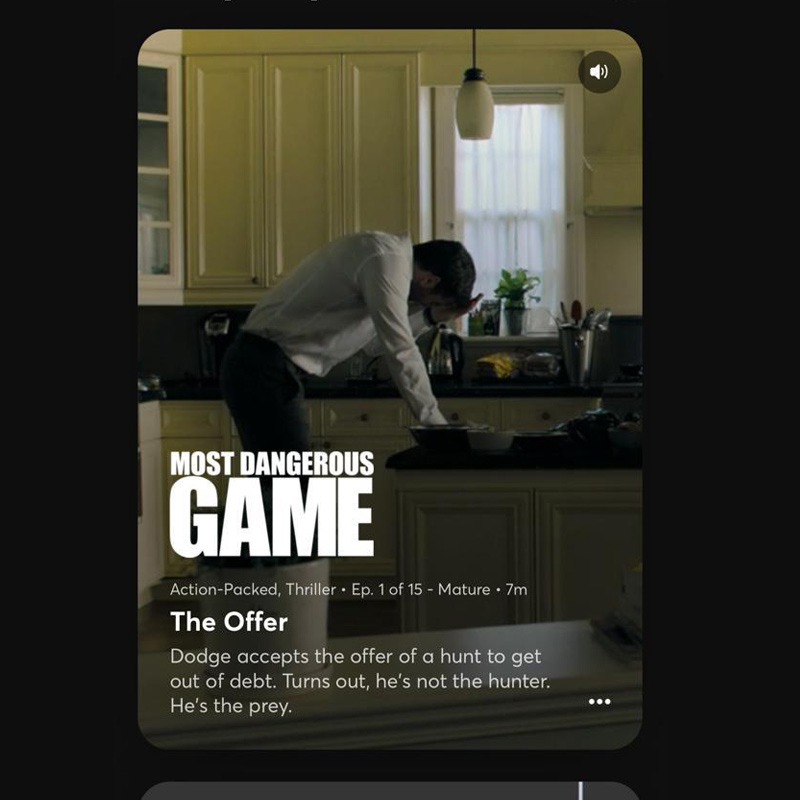
Quibi is a platform that sees a potentially rich corner for targeting millennial audiences with mobile-specific content. As the name indicates, ‘quick bite’ entertainment will consist of scripted and non-scripted content across a range of genres, including comedy, drama, reality and news updates. A-list creators, including Steven Speilberg, Ridley Scott and Catherine Hardwicke, are on board to produce and direct shows exclusively for the service, with Quibi’s new film-making technology ensuring a seamless experience, whether viewing in portrait or landscape.

Its launch during lockdown presents itself as a double-edged sword. As mentioned, consumers now have more time to experiment with new services, but equally, solo mobile-viewing is based to fit around people’s lifestyles and “normal” routines: when arriving early to meet your friends at the bar, commuting to work or school, exercising at the gym – all of those activities that are now on hold for the foreseeable future. The marked increase in SVoD viewing on TV sets over the recent weeks ultimately comes at the expense of content viewing on mobile devices.
Another key point here is: who are Quibi’s rivals? Its unique proposition addressing mobile viewing at a monthly price means that it is not only competing with major SVoD players like Netflix, Hulu, Amazon, and beyond, but other free services that also focus on mobile viewing. This includes the likes of Facebook Watch, Snap Originals, IGTV, Tik-Tok and of course, YouTube. Although YouTube is the market leader for short form content worldwide, people do not only watch its content on smartphones or tablets. In fact, Futuresource’s consumer research shows that just 42 per cent of YouTube watchers in the top five Western European countries and USA use a tablet or smartphone as their main viewing device to view the service. As the quality and professionalism of content on YouTube increases, consumers are finding additional value in watching on a larger screen. This means that Quibi faces potential competition from all sides, as it looks to exploit what it has identified as a gap in the market. However, Quibi has recently announced that it will enable casting to compatible TVs in May.
Quibi launches with a free 90-day trial, a longer period than currently offered by Netflix, Amazon Prime, Apple TV or Disney+. This is highly unusual for such a service launch, and its major challenge will be converting these to paying subscribers. While the trial provides a valuable period to garner user behaviour and shape the future direction of the service, will most users have exhausted the content that interests them by the time the trial expires?
Quibi will be judged on both the quality and originality of the content it provides, benchmarked against the key SVoD and AVoD players as mentioned above. Whether the service can command the attention it needs in a considerably fragmented market remains to be seen.
The author is principal analyst at Futuresource Consulting







iWorld
X launches XChat messaging app on iOS with calls and encryption
Standalone app marks shift from “everything app” vision, adds E2E messaging.
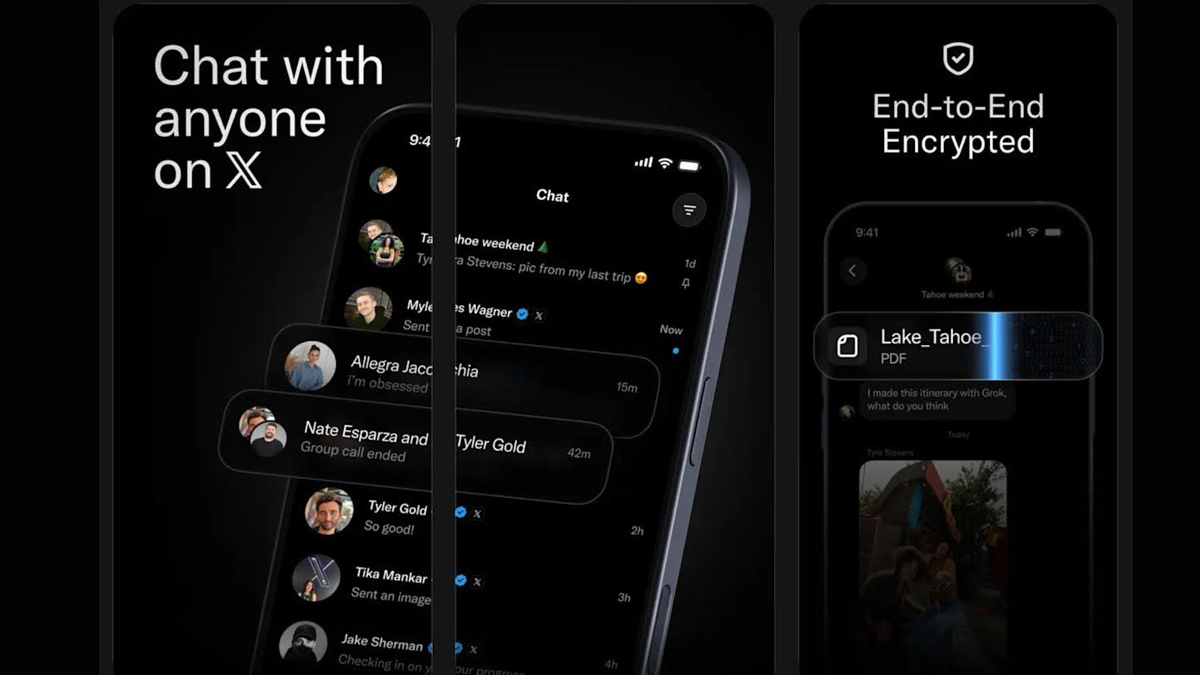
MUMBAI: From one big app to many small chats, X seems to be splitting its ambitions. X has rolled out its standalone messaging app, XChat, to iOS users, opening up a new front in its evolving product strategy. The app allows users to connect with existing X contacts through private and group messages, file sharing, as well as audio and video calls. The launch follows a limited beta phase, where the platform tested the product with a smaller user base to refine the experience. Now available publicly, XChat marks a notable pivot from earlier ambitions championed by Elon Musk to turn X into a single “everything app” combining messaging, payments, commerce and more.
Instead, the company under xAI ownership and backed by SpaceX appears to be building a suite of standalone applications, each targeting specific use cases while expanding its broader ecosystem.
At launch, XChat includes end-to-end encrypted messaging, PIN-based access, disappearing messages, and features such as message editing, deletion for all participants, and screenshot blocking. The company has also said the app is free from advertisements and tracking mechanisms, positioning it as a privacy-first alternative in a crowded messaging space.
However, security claims around the platform are likely to face scrutiny. Earlier iterations of XChat drew criticism from experts who argued it fell short of established encrypted platforms like Signal. With the wider rollout, the app is expected to undergo fresh evaluation to assess whether those concerns have been addressed.
Beyond messaging, XChat will also house X’s Communities feature, which is being discontinued on the main platform due to low usage and spam concerns. Migrating these users could provide an early boost to adoption, effectively turning XChat into both a communication and community hub.
The move underscores a broader recalibration at X less about cramming everything into one app, and more about spreading bets across multiple touchpoints, one message at a time.