Brands
Brands and their digital-first avatars

NEW DELHI: We are the natives of a digital world. Most of the resources that were earlier physical for us have turned into pouches of kilobytes and megabytes; be it our photographs, watches, or music systems. Wrapped in a screen of five inches, a big part of our hobbies, our jobs, and our social communications are now soldered onto motherboards.
Quick to react, the marketing industry shifted a big chunk of their annual spends to digital platforms. In India alone, the digital marketing industry is growing by more than 30 per cent annually. Not just advertising, a lot of brands have been investing in revamping their identities for a digital world.
Last year, the industry noticed a lot of brands, including big names like Mastercard and Doritos, doing away with names in their logos and sticking to just their symbols. The brands argued that simpler logos appeal better to GenZ, who do not prefer over-the-top marketing and a loud brand presence.

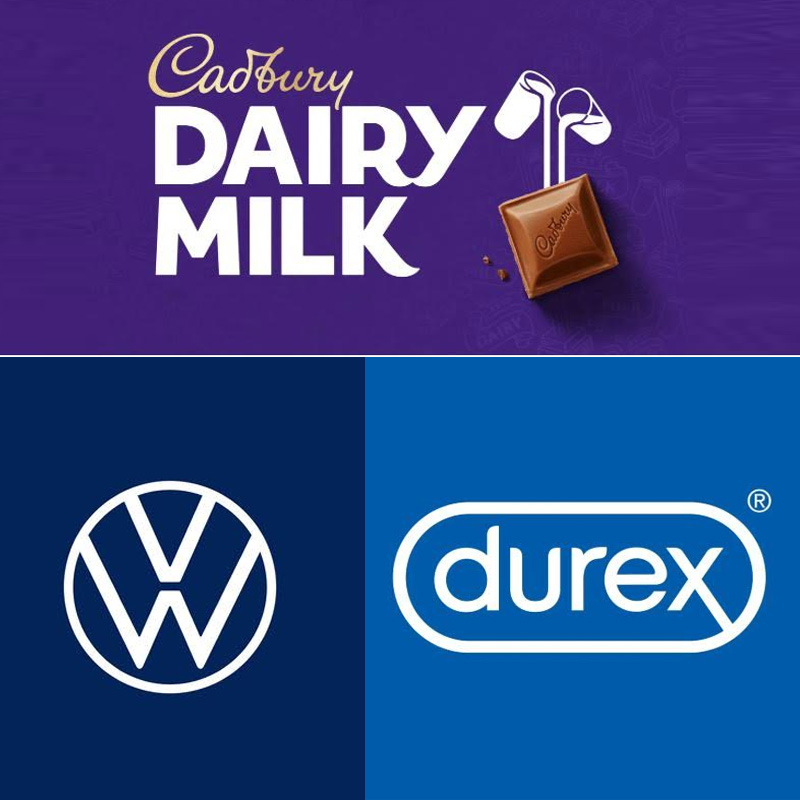
This year, brands like Volkswagen, Durex, and Cadbury started another trend, called flattening of their logos. They are getting rid of any 3D elements in their logo design and shifting to bolder, simpler typefaces. Again, the wish is to connect better with a younger audience.
Madison BMB CEO and chief creative officer Raj Nair says: “There has been, particularly in the last five odd years, a multitude of companies going in for a revamp of their logo/identity. These include companies that owe their origins to the online world as well as traditional companies, which primarily conduct their business in the offline world. So you have online natives like Google, Pinterest, Airbnb, Spotify and GoDaddy that have conducted this exercise as well as traditional giants like Cadbury, Durex and Volkswagen that have also undergone a change.”
However, more than appealing to a younger audience, reshaping of logos make a great sense for the mobile-dominated world of today.
DDB Mudra Group NCD Rahul Mathew explains: “Brands have to adapt to the world their consumers live in, and logos are a big part of every brand’s identity. As more and more of brand engagement, research and even purchase are moving from the physical world to the digital one, brands are also evaluating what they can or should carry with them. Their 3D logos are like massive four-poster beds that have looked beautiful where they have been living but are a pain to move.”
He adds: “2D logos are much more flexible. The absence of shadows and gradients makes it easy to use them across platforms and formats. The minimalism also makes digital assets easier on the eye and more recognisable.”
Google was, probably, one of the first brands to react to this need. It came with a revamped identity in the year 2015, bringing down the size of its digital logo from 14,000 bytes to only 305 bytes. Back then, in a blog post, the technology giant had revealed that the move was made to make the logo look good on small screens. According to experts, it also made easy to load on the devices of those living in remote locations, possibly with slow internet speeds.
And, additionally, this restructuring of logos for a digital world can open up a plethora of opportunities for the martech companies.
According to a machine learning engineer, it is easier for machines to identify 2D logos from a low-resolution image as compared to a 3D image, as the number of vectors is lesser in the former, not taking into account other external factors. This might allow martech companies to scan user images from online sources and create a better database for better-targeted marketing.
Havas Group India chairman and chief creative officer Bobby Pawar elaborates: “Flat logos are simpler and generally more easily identifiable. They are easier to reproduce without losing anything across all touchpoints, platforms, and user interfaces. It, therefore, will (help in creating richer databases for marketing).”
Brands and marketers are thinking digital-first these days, thus, creating a vast playfield for martech companies to innovate and come with solutions that can utilise these opportunities. On the other hand, it is equally important for platforms and governments to safeguard user data as the technology is making it easier to access by alien parties. However, whatever may be the individual discourse from here, the world is surely entering into an exciting data-dominated phase of unusual marketing opportunities, which will be a delight to observe.






Brands
Saatchi & Saatchi India rolls out FedEx campaign with CSK stars
Dhoni and CSK teammates front films showing SMEs scaling globally with ease
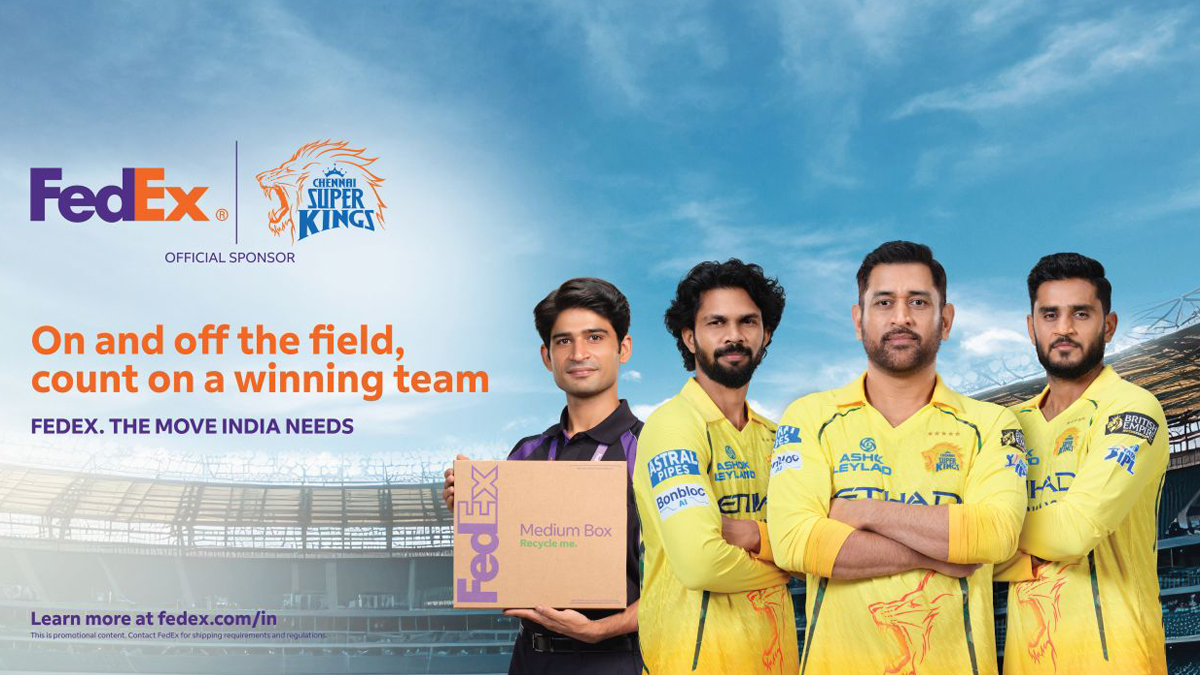
MUMBAI: Saatchi & Saatchi India has unveiled a new digital campaign for FedEx, bringing together cricketing star power and business storytelling to highlight how Indian SMEs can expand globally with ease.
Titled ‘FedEx. The Move India Needs’, the campaign features Chennai Super Kings players MS Dhoni, Ruturaj Gaikwad and Urvil Patel. Across three short films, the players step into relatable business scenarios, illustrating how dependable logistics can turn hesitation into opportunity for Indian enterprises eyeing international markets.
Built on a light, humorous tone, the films move from ‘huh’ to ‘aha’ moments, using everyday business situations across sectors such as automotive, healthcare and e-commerce. The recurring cue ‘aise’ underscores the simplicity of choosing FedEx as a logistics partner, while spotlighting key global trade routes spanning the Americas, Europe and Asia.
Saatchi & Saatchi India senior executive creative director (North and East) Nisheeth Srivastava said, “Indian businesses are creating meaningful ripples globally, and it is FedEx that helps them do that, that too India mein baithe-baithe. We have crafted three stories with CSK players as storytellers. The scale and nature of SMEs have been carefully chosen to highlight FedEx capabilities, with a touch of humour woven in.”
FedEx vice president of marketing, customer experience and air network, MEISA Nitin Navneet Tatiwala added, “With ‘FedEx. The Move India Needs,’ we are bringing to life how Indian businesses can go global with greater ease and confidence. By combining our CSK association with relatable stories, the campaign highlights seamless, end-to-end logistics.”
The campaign also reinforces FedEx’s growing operational footprint in India, positioning the company as a one-stop solution capable of handling shipments of all sizes while enabling SMEs to compete on a global stage.
Now live across digital platforms, connected TV and social media, the campaign aims to drive both reach and relevance, reminding businesses that going global might just be easier than they think.






