MAM
Agencies should allow more flexibility to work remotely

NEW DELHI: It will be wiser for advertising agencies not to waste the crisis and plan to adopt the hybrid work cultures where a part of the workforce can work from home once the normal kicks in. The point was raised by BBH India CEO and managing partner Subhash Kamath and Wunderman Thompson South Asia group CEO and chairman Tarun Rai during a webinar discussing the future of advertising workplaces hosted by The Advertising Club Bangalore on Tuesday.
“I have been passionate about the fact that people should be allowed flexibility at workplaces. We need to be more output-focussed and not input. We can work remotely and deliver the same results,” said Rai as he shared how he has always been open to the idea of certain members of his team working from home in case of emergencies.
Kamath added: “My wife has been working from home for the past six to seven years now, a decision she took on her own to take care of the kids. I think this flexibility to work remotely should be given to women and also to people with ailing parents any day, irrespective of Covid2019 because family always comes first.”

Both agreed that making working remotely a norm in advertising agencies will, therefore, also solve the problem of gender bias at offices.
Rai elaborated, “We have achieved a 50:50 ratio of male-to- female workforce, but there are certain subconscious biases that still exist. People do not want to promote a woman who has recently got married or is planning a family. Working from home ends that issue as a woman who is getting married will be treated the same as a man.”
They also highlighted that promoting a remote or work-from-home culture will also liberate good talent from geographical boundaries as it will be easier for a good suitable talent positioned in a different city than the client to contribute to a good project.
Kamath said: “There is a difference between team-building and coalitions. You will find that in agencies people work on pitches in coalitions but then get back to the traditional, hierarchical team mode of linear reporting after that. Going forward, we will have to work together with more coalitions. Geography is history now. (As a good leader), you should be a part of a team that can get people together from across the world to find better solutions for clients.”
Another benefit highlighted by the duo was the cutting of expenditure on things like travel, entertainment, real estate, etc. They insisted that it will be wiser to put all that extra money into a more valuable resource, i.e., the people.
“We have moved from a culture of closed offices to open offices. Earlier, people used to sit in these opaque cabins, but with time we have made way to more open spaces where people can work in collaboration. Now we are moving to agile spaces. For example, at our Mumbai office, 20 per cent of the workforce doesn’t come to the office on any given day, that means there are no set cubicles or seats. You come to the office and sit at any place you find vacant,” Rai elaborated.
He added that soon it could be moved to a no-office module. “No office doesn’t mean that you don’t have a place to go to. It means that instead of going to a cubicle or workstation, you will go to meeting rooms.”
However, while all of it seems like a utopian dream achieving, this might not be very easy.
Rai argued that to make all of this function in the real world, people will have to give up the control they are used to exercising on their teams and will have to turn more trusting towards people.
“In addition to that, we also need to work on our HR policies and appraisal schemes. To this date, we have to punch in our office timings as the system remains input-based. Even with consultants, we are used to asking how many days they will be coming to the office. All this needs to change,” he noted.
Kamath added that even the compensation structure of clients is heavily reliant on an input-based system, which also needs to change. “Instead of asking how many people you are going to give us for this project, they should be telling us this is what they want to achieve in this amount. Obviously, all of that can be negotiated, but the focus should be on the end result.”



Brands
Nodwin Gaming appoints Sonal Varma as global director of live events
Former Comic Con India VP to scale global gaming and pop culture experiences
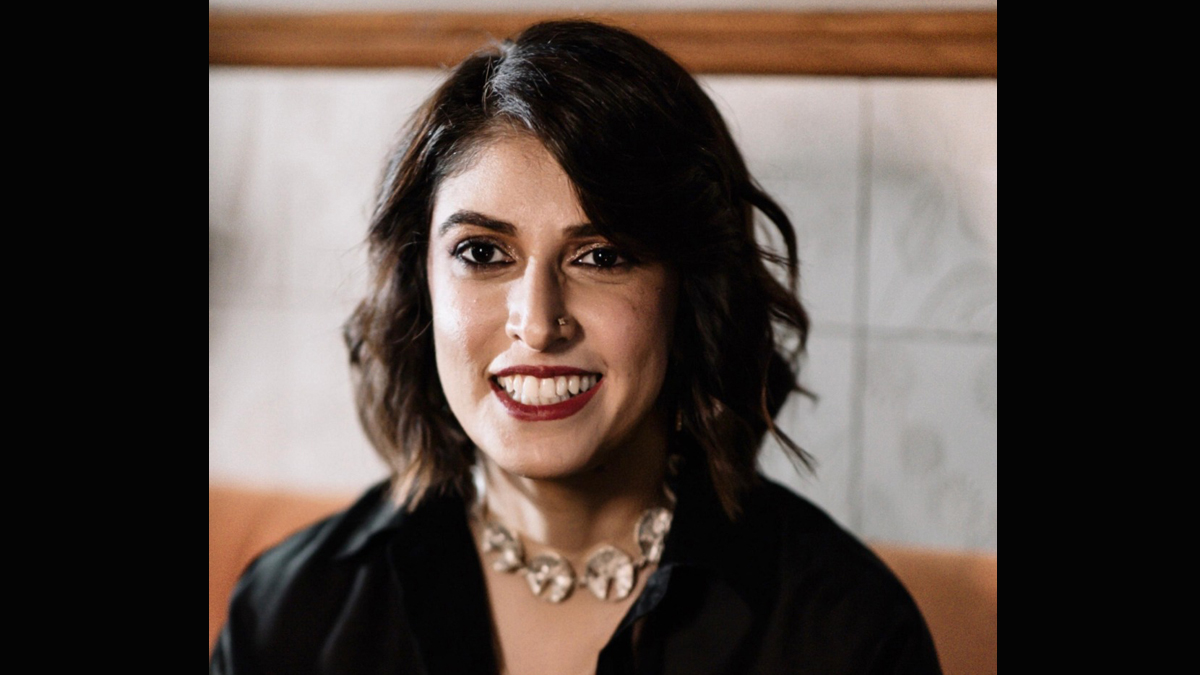
MUMBAI: Nodwin Gaming has appointed Sonal Varma as global director of live events, bringing on board a seasoned architect of fan communities as the company accelerates its global push in gaming, esports and youth culture.
Varma steps into the role with more than 15 years of experience creating large-scale fan experiences and cultural platforms. She is best known for her long stint at Comic Con India, where she most recently served as vice president and helped transform the convention into one of the country’s most recognisable pop culture gatherings.
At Nodwin Gaming, Varma will lead the strategy, design and execution of the company’s global live event initiatives. Her mandate includes expanding flagship intellectual properties and developing new formats that bring gaming communities together across emerging markets.
Over the years, Varma has been closely associated with building and scaling community-led events such as Comic Con India, Geekly and the Indian Cosplay Championship. Her work has focused on turning niche fandoms into thriving cultural ecosystems by blending entertainment, creator culture and brand partnerships.
Her appointment comes at a time when Nodwin Gaming is expanding its international events footprint through properties such as DreamHack India, NH7 Weekender, Comic Con India and the Battlegrounds Mobile India Series. The company has also been growing its presence across Asia, Europe, the Middle East and Africa through esports tournaments, gaming festivals and fan conventions.
Nodwin Gaming co-founder and managing director Akshat Rathee, said Varma’s experience in building fan-centric platforms would play a key role in the company’s next phase of growth.
“Sonal brings a deep understanding of how live experiences can bring communities together around gaming and pop culture. As we expand our global live events footprint, her experience will help us create experiences that feel authentic and meaningful for audiences across markets,” he said.
Varma said the scale of opportunity at Nodwin Gaming made the move particularly exciting.
“Joining Nodwin Gaming at this moment feels incredibly exciting because the canvas is so large. There are new audiences, new markets and new formats waiting to be explored. I’m looking forward to working with teams across the network to create live experiences that celebrate gaming culture while staying rooted in the communities that power it,” she said.
Over the past few years, Nodwin Gaming has built an ecosystem that stretches across competitive gaming, creator communities, music festivals and youth culture platforms. With Varma now leading global live events, the company is looking to further expand its flagship properties while experimenting with new formats that blend gaming, entertainment and fandom for audiences around the world.