MAM
Challenge status quo through experiential marketing
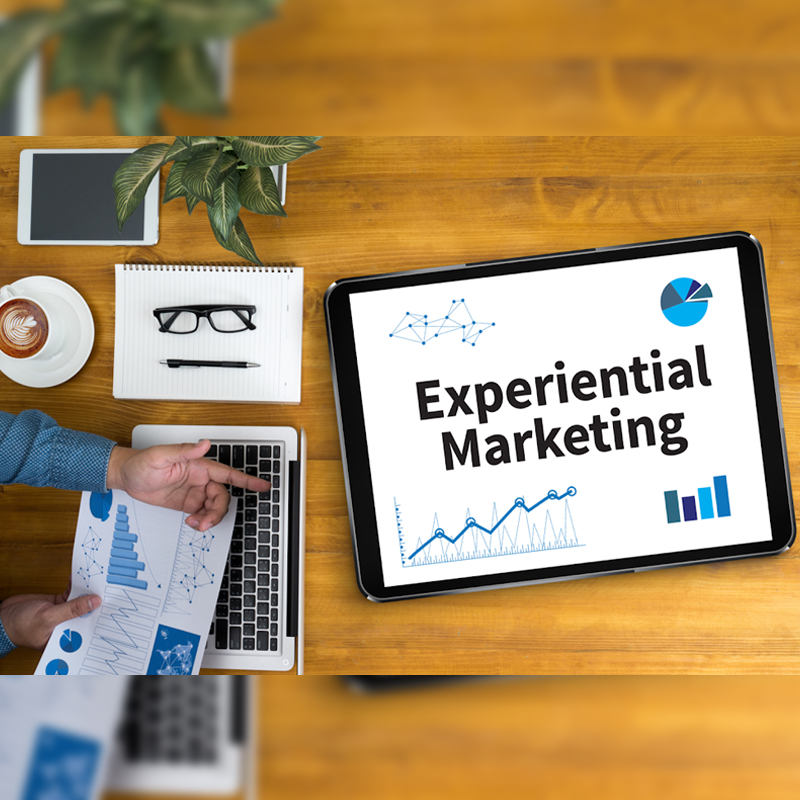
MUMBAI: As brands around the globe are grappling with the Covid2019 pandemic, it has also raised questions about the future of experiential marketing, also known as the touch-and-feel marketing.
In this new age of experiential marketing, the challenge before brands is to showcase that their products are better than the rest in the most creative and unique manner. It is more about engaging with your audiences on a personal level. But with social distancing and lockdown can anything be experiential? How is the industry redefining itself and what are the skillsets that industry practitioners need to equip themselves with?
To discuss all these scenarios, The Advertising Club of Bangalore hosted a webinar with a theme "Experiential Marketing – The Next Pivot." The panellists included Group M APAC head experiential marketing Dalveer Singh, Geometry Encompass Roshan Abbas, Brand Aid Events and FanTam Brands founder and director Vipul Mathur, DEIVEE co-founder Darshan M.
About how experiential marketing will reinvent itself, Abbas said: “As experiential marketers we need to embrace the change quickly. If you are just entering into this industry don’t jump into it directly. Take a pause and understand this situation, challenge the status quo and let the creator play with their mind. This is how television, radio and Netflix came into play.”
Darshan said that it was always about being Instagram-ready. Marketeers have been wary of adapting this but now there is no choice but to adopt this. He adds that the second screen has always existed but now it has become the primary screen.
Elaborating more on the changes seen in experiential marketing during pandemic, Dalveer says, “I think now home will become the epicentre of everything. It is not like everything in experiential will become digital, you may be able to do many things which are physical. The way to look at it is not purely virtual or digital but what is the best way to connect with the needs of the consumer.”
Vipul Mathur who comes from an apparel background where touch and feel is the most important thing feels that even if people are buying stuff online, differentiating between products is still a challenge.
Everything from artificial intelligence to virtual reality to augmented reality is being tried out, but we need someone to orchestrate well between industries and create that 360 degree experience and urgency for consumers to buy the product.
Abbas explained that while some of them had the fear of technology, others were ready for the experiment. They wrote a play that is contextual with Supriya Pilgaonkar and Radhika Madan. After the show Abbas focussed more on the interactivity process. They included chats, poll and multiple other formats in their system. From the experiment stage Abbas has now come to the revenue stage. The company now has close to 12,000 people interacting on Instagram which has invited a lot of brands to invest.
Dalveer who has done a lot of work at the rural level said that the last two to three months were very challenging for the rural audiences. It has been difficult for people staying in the rural market as well as those migrants who have been on the move.
“The next transformation in the rural experiential market is pin code marketing. We have got 21000 pin codes across the country. And we use the simple formula of three V. The idea is how I can reach the people who use smartphones through video, voice and above all you put the vernacular piece to it. Because there are 14 languages and many dialects. We have done a couple of pilots which is helping brands reach the audiences,” he further added.
The panellists agreed upon a point that this pandemic will also bring a lot of event technologists and people who will increase time span, who will build loops and feedbacks within their programme which will eventually help others. They were of the opinion that people who have fresh ideas and can produce cost-effective solutions will survive.

MAM
Term Life Insurance Explained: Who Needs It and Why It Matters
If you are actively investing to grow your money month after month, you already understand the value of planning ahead. SIPs, long-term portfolios, retirement planning and goal-based investing all point to one thing. You are building a future with intent.
What often gets missed in this process is one foundational question. How well is the income that funds all these plans protected?
Term life insurance fits naturally into this stage of financial planning. It does not compete with investments. It supports them by protecting the income that makes long-term growth possible.
Why Income Protection Is a Core Part of Financial Planning
Every financial plan begins with income. Before money is invested or saved, it is earned.
Over time, this income is allocated across multiple needs:
● monthly household expenses
● EMIs and long-term loans
● savings and emergency funds
● investments aimed at future goals
As responsibilities increase, financial planning becomes layered. Each layer assumes income continuity. Term life insurance exists to ensure that this structure does not become fragile due to overdependence on a single income source.
It adds stability to plans already in motion rather than introducing a new objective.
What does term life insurance do?
Term life insurance provides a fixed payout to your nominee if you pass away during the policy term. The purpose of this payout is practical and clearly defined.
It is intended to:
● replace lost income for a defined period
● help manage outstanding liabilities
● support ongoing household and goal-based expenses
There is no investment or savings component. This keeps the product focused and cost-efficient, allowing individuals to opt for meaningful coverage without diverting funds meant for growth-oriented investments.
Why Term Life Insurance Complements Investing?
Investments and insurance play different roles in a financial plan.
Investments are designed to:
● grow wealth over time
● compound with consistency
● be adjusted as goals and risk appetite change
Term life insurance is designed to:
● provide financial continuity
● protect existing plans from disruption
● remain stable once put in place
Keeping these roles separate improves clarity. Investments are allowed to perform without being forced to double up as protection, while insurance quietly supports the overall structure.
Who Should Consider Term Life Insurance?
Term life insurance becomes relevant when financial planning extends beyond individual needs. This typically includes:
a) Working professionals
When income supports shared expenses or long-term plans, protection becomes essential.
b) Individuals with long-term liabilities
Home loans, education loans and other EMIs often extend over decades. Term insurance ensures these obligations remain manageable.
c) Parents planning future milestones
Education, healthcare and lifestyle goals require continuity over many years.
d) Early planners with rising incomes
Starting earlier allows coverage to align smoothly with career progression and evolving responsibilities.
How Much Coverage Should Be Considered?
Coverage should be guided by financial reality rather than affordability alone.
A well-rounded evaluation typically considers:
● number of years income needs to be replaced
● existing and future liabilities
● long-term goals already planned
● inflation and rising living costs
Many insurance companies offer options starting from 50 lakhs, 1 crore term insurance and higher. It allows individuals to choose coverage based on their income, liabilities and future plans.
How Term Life Insurance Fits Into a Long-Term Plan
Once set up, term life insurance does not demand frequent attention.
It does not require active monitoring, market tracking or performance reviews. Its role is structural rather than dynamic.
By ensuring financial continuity, it allows families to:
● stay aligned with long-term plans
● avoid rushed financial decisions
● focus on execution rather than damage control
When aligned correctly, term insurance strengthens the foundation on which investments, savings and retirement plans are built.
Choose the Right Insurance Partner
Once the need, coverage amount and role of term life insurance are clear, the final and most important step is choosing the right partner.
This decision should be based on:
● clarity and transparency in policy terms
● a strong claim settlement track record
● consistency in servicing and communication
● the ability to support long-term financial planning rather than just selling a product
Term life insurance is a long-term commitment. The partner you choose today will be the one your family relies on years down the line.
When protection is aligned with purpose and backed by a dependable insurer, term life insurance becomes a quiet but powerful part of a well-built financial plan.