Brands
Love coffee? Now you can bathe with it

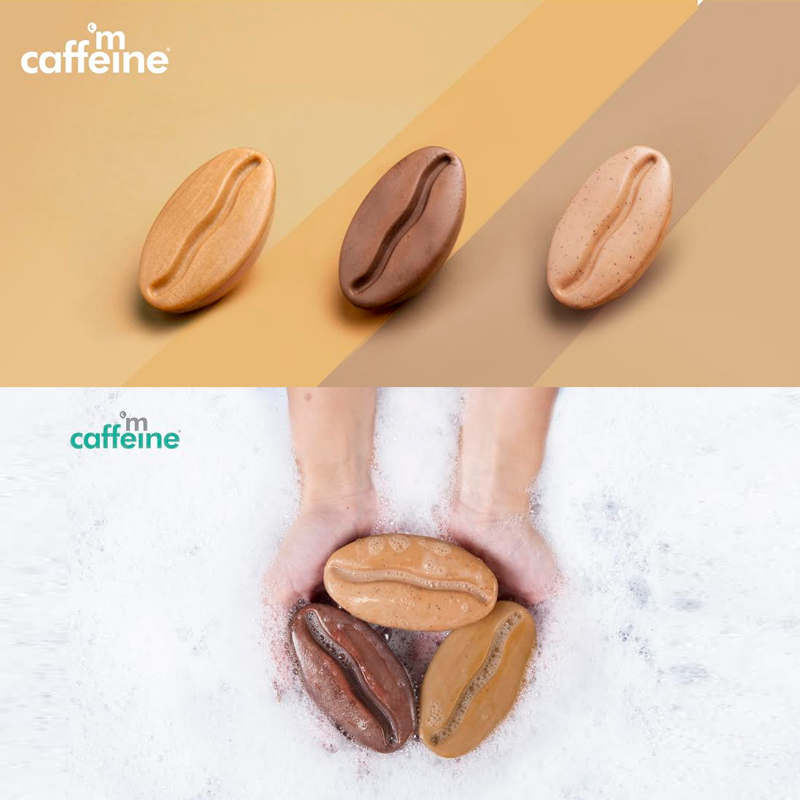
NEW DELHI: Caffeinated personal care brand mCaffeine has launched India’s very first coffee bean-shaped bathing bars. Coffee Bathing Bars, an array of caffeine-based soaps, mark mCaffeine’s foray into the beauty soap market in India.
The PETA-certified, extensive R&D based mCaffeine Coffee Bathing bars are well formulated and pH balanced. The bathing bars bear the fun tagline – ‘Bean Me Up!’ to bring coffee lovers the literal meaning of bathing in coffee. All coffee bathing soaps have been shaped like coffee beans and infused with the aroma of fresh coffee, in order to deliver an elevated bathing experience. The product series will feature three distinct bathing bars, namely – espresso, cappuccino, and latte. Apart from the main ingredient of pure Arabica coffee, which is known for its cleansing and toning properties, the soaps also contain other ingredients such as pure coffee oil (in espresso), almond milk and caramel (in cappuccino), and cocoa butter (in latte) which are essential for a healthy, lustrous, moisturised, and nourished skin.
Co-founder & CEO Tarun Sharma said, “At mCaffeine, since the moment we launched our first product, we have always been out to make a difference. There is a shift towards the naturals segment as consumers are worried about chemicals. We have acted swiftly enough to adapt to changing consumer preferences and have expanded our offerings in the clean label (natural as a choice) which the brand embodies. We have always been conscious of what ingredients we use and are mindful of the expectations of the millennials. Our coffee bathing bars will set new benchmarks in the personal care brands space offering environmentally sustainable and eco-friendly products.”
Over 12 months of extensive research and an investment of around half a million dollars have gone into the careful curation, design, and production of the coffee Bathing Bars. mCaffeine plans to sell more than two million units of the Coffee Bathing Bars in three years, with half a million sales expected in the first year itself. It has also applied for patenting the Coffee Bathing Bars.
“It is through such innovation that we have turned mCaffeine into an Rs 100 crore Indian brand in just four years, thus creating the phenomenon that is caffeine skincare in India which is so rarely seen in the Indian markets,” added Sharma.
All Coffee Bathing Bars have a pH of 5.5 which is the same as human skin, which enables them to nourish and cleanse all skin types without drying them. In comparison, regular soaps are pH 8< which, in the process of removing dirt and sweat, also strip the skin off its essential natural oils.
mCaffeine’s Coffee Bathing Bars are also vegan, cruelty-free, i.e. none of its ingredients, formulations or finished products have been tested on animals. The coffee bathing bars are also free from SLS, paraben, mineral oil, and their formula is both dermatologically tested and FDA-approved.