MAM
Billion Electric charges ahead with Sanjeev Kulkarni as CEO

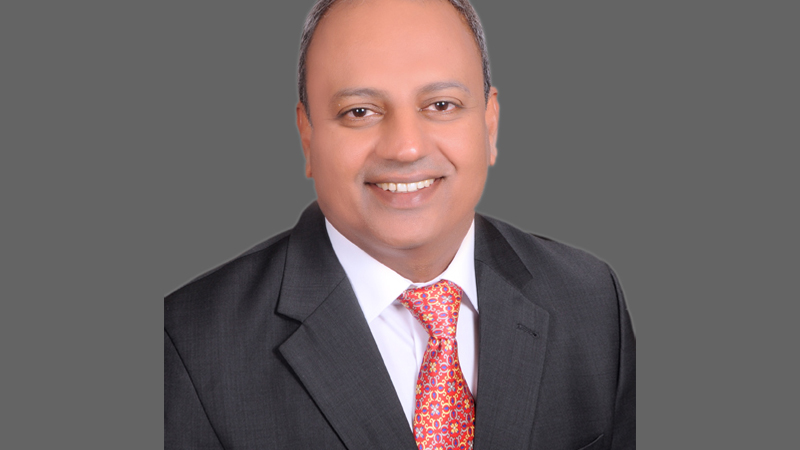
MUMBAI: Billion Electric Mobility (BillionE), India’s pioneering E-Mobility-as-a-Service (eMaaS) platform, has put its growth plans into high gear by appointing Sanjeev Kulkarni as chief executive officer. A seasoned industry leader with over 32 years in automotive and manufacturing, Kulkarni steps up from his role as chief operating officer to spearhead the company’s ambitious expansion in commercial EV solutions.
With a stellar track record at Bosch Limited in India and Germany, as well as Kalyani Group Pune, Kulkarni has driven large-scale projects, strengthened OEM partnerships, and accelerated revenue growth. As CEO, his focus will be on scaling BillionE’s electric truck and airport tarmac EV bus business, enhancing industry collaborations, and boosting India’s clean mobility transition.
Welcoming Sanjeev to his new role, Billion Electric Mobility founder & chief platform architect Kartikey Hariyani & co-founder Musfara Wajid said, “It has been more than 5-years we have known Sanjeev working on various strategic initiatives within the e-mobility space in India / abroad. Since 2023, Sanjeev has been part of our leadership team and over the last 2-years, Billion Electric Mobility has seen the foundation laid for the e-MaaS business with his, strategic foresightand extensive industry experience. His proven ability to scale operations, drive innovation, and foster collaborations will be critical as we expand our E-MaaS business. With Sanjeev at the helm, I’m confident we will scale faster, deepen partnerships, and create a stronger foundation for India’s EV transition.”

Sharing his thoughts on the new role, Billion Electric Mobility CEO Sanjeev Kulkarni said, “The EV industry is at an exciting juncture, and Billion Electric is well-positioned to accelerate India’s transition to sustainable mobility. Our focus will be on scaling our E-MaaS business with various corporate customers with our range of Electric Trucks for inter-city transport, , maximizing operational efficiency, and strengthening collaborations with OEMs and fleet operators. I look forward to working with our talented team to develop robust solutions that power India’s EV future.”
Quoting on the development, Billion Electric Mobility lead advisor Piroshaw Sarkari (Phil) added, “BillionE is a platform that drives a concept of energy on wheels, in a way different from traditional transporter and therefore Sanjeevs experience is found very relevant to lead this platform!”
As BillionE continues to drive India’s EV transition through its Energy Transition Network, Kulkarni’s leadership marks a pivotal step in its journey. With a strengthened leadership team, including newly appointed lead advisor Pirojshaw Sarkari (Phil), the company is set to electrify the commercial transport sector and push the boundaries of sustainable mobility.








Starting a business is one of the most financially demanding transitions a person can make. In the early months, expenses are immediate and often unpredictable, while revenue streams may take time to stabilise. For first-time entrepreneurs, securing small business loans can feel like a paradox: lenders expect a clean financial track-record before approving a loan, but the business cannot establish that track record without funding. Understanding the start-up lending environment in India and knowing the realistic funding options make this process far less daunting, allowing entrepreneurs to plan strategically.
Why Traditional Business Loans Are Harder for Start-ups
Most financial institutions require a minimum business vintage of 2 to 3 years before approving a term loan. This is because the first two years of operations carry the highest risk of failure. For start-ups less than 12 months old, traditional loan options are limited, and lenders often ask for substantial collateral to mitigate risk.
The vintage requirement is not arbitrary. Businesses that have survived their first two operating cycles demonstrate market viability, which significantly lowers the lender’s risk. Until this milestone is reached, entrepreneurs often rely on bootstrapping, personal savings, or alternative financing to build a stable business foundation. Understanding this reality helps first-time entrepreneurs set practical expectations when seeking funding.
Government-Linked Schemes for Startups
India offers several government-backed schemes to support first-time entrepreneurs. One such scheme is the Pradhan Mantri Mudra Yojana (PMMY), which provides collateral-free loans for micro and small enterprises in three categories:
● Shishu: up to Rs. 50,000
● Kishore: Rs. 50,000 to Rs. 5 lakh
● Tarun: Rs. 5 lakh to Rs. 10 lakh
These loans are available through eligible lending institutions, making them suitable for early-stage businesses. For first-time entrepreneurs, a Mudra loan not only provides initial working capital but also helps establish a credit history. Repaying a Mudra loan on time strengthens the entrepreneur’s profile and increases the chances of securing larger loans in the future.
Using Personal Loans to Fund Early-Stage Needs
When business loan eligibility is not yet established, a personal loan can serve as bridge funding. These loans are assessed on the individual’s credit profile and income rather than the business’s financial history, making them accessible to salaried individuals or those with a strong personal credit record.
Personal loans have limitations: the loan amount is capped based on personal income, and the interest rate is typically higher than secured business loans. Nevertheless, taking out a personal loan during the first 12 to 18 months can provide crucial support as the start-up builds its financial profile. It is especially useful for covering immediate expenses such as inventory, marketing, or office setup costs.
Alternative Financing Options for Startups
For start-ups that are not yet eligible for traditional business loans, other financing options are available through financial institutions. Many lenders offer startup-focused or small-business loans designed for early-stage businesses. These loans evaluate the entrepreneur’s personal credit profile, business plan, and projected revenue rather than relying solely on business vintage. Financial institutions such as Tata Capital provide these loans with minimal documentation and fast disbursal, enabling entrepreneurs to manage operational expenses, purchase equipment, or fund early growth initiatives without pledging collateral.
Some lenders also offer flexible loan amounts, quicker approvals, and streamlined processes, making them well-suited for first-time entrepreneurs. Exploring these options early allows start-ups to access working capital while gradually building a credit history that will support larger loans in the future.
Building the Right Financial Profile Before Applying
For entrepreneurs planning to apply for a business loan in 12 to 18 months, the preparation period is critical. Key steps include:
● Filing Income Tax Returns (ITRs) consistently and accurately from the first year
● Maintaining a clean current account with regular deposits and no overdraft patterns
● Keeping the promoter’s CIBIL score above 750
Lenders assess start-ups by examining these signals. Entrepreneurs who maintain financial discipline from the start will have stronger loan applications after two years. Additionally, tracking cash flow and avoiding irregular withdrawals can further enhance the business’s credibility.
Collateral-Based Options for Larger Requirements
Startups requiring larger amounts beyond government schemes can consider loans against property. These loans allow entrepreneurs to access larger amounts of funding at lower interest rates, as the property secures the lender’s risk.
This option carries significant risk: using personal or family assets as collateral can result in a loss if the business does not perform as expected. Such loans should be considered only when the business plan is validated, the entrepreneur has clear cash flow projections, and the repayment strategy is realistic. Careful assessment of risk versus reward is essential before pledging assets.
Practical Steps to Strengthen Your Loan Application
To maximise the chances of approval, entrepreneurs should:
● Maintain accurate financial statements, bank records, and GST returns.
● Avoid over-borrowing; apply for realistic amounts that match business needs.
● Keep personal and business credit profiles in good standing.
● Explore lenders that offer startup-friendly products.
● Be transparent and complete in all documentation.
Taking these steps early ensures a smoother and faster loan process when the business is ready for formal financing. A well-prepared application reduces processing delays and demonstrates professionalism to the lender.
Conclusion
First-time entrepreneurs often face a funding gap in the early stages, but it is usually smaller than it appears. Maintaining clean banking records, filing ITRs consistently, and exploring personal loans, government schemes, and alternative financing options help build a strong financial profile. Entrepreneurs who plan systematically from day one are better positioned to access formal credit sooner, giving their start-ups financial stability through small business loans.
The ideal time to start building a credit-worthy business profile is the very first month of operations, not when applying for a loan. By understanding available funding options and acting proactively, first-time entrepreneurs can confidently apply for a business loan and set their businesses on a path to long-term growth.






