Components
Hitachi Vantara flexes its storage muscle with triple-threat guarantee for enterprises

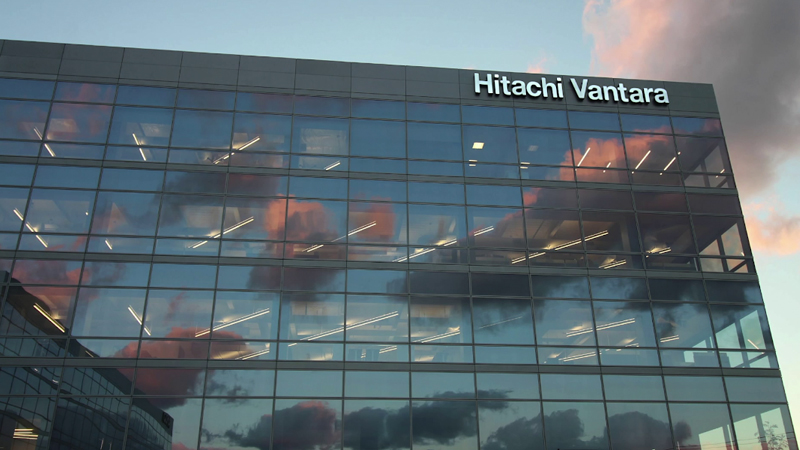
MUMBAI: In the unglamorous world of data storage, where blinking boxes keep the digital world from collapsing, Hitachi Vantara just turned up the drama. The company launched a triple-play of service guarantees on 21 April 2025, giving its Virtual Storage Platform One (VSP One) a serious shot of swagger—with built-in promises for cyber resilience, performance, and sustainability. No more crossed fingers or desperate prayers to the server gods.
The new features arrive as IT teams around the globe scream into the digital void. They’re juggling fragmented systems, drowning in ransomware anxiety, and praying their monthly power bill doesn’t resemble the GDP of a small country. Hitachi Vantara has finally decided enough is enough, pitching its upgrades as the antidote to modern IT headaches.
 “IT complexity, cyber threats and sustainability challenges continue to put enterprises under extreme pressure,” said Hitachi Vantara chief product officer Octavian Tanase. “With VSP One’s latest enhancements, we are eliminating those roadblocks by delivering a unified, automation-friendly platform with guaranteed performance, resilience and efficiency built in. This is more than just data storage—it’s a smarter, more sustainable way to manage enterprise data at scale.”
So what’s in this triple scoop of enterprise storage goodness? First, a performance guarantee promises that applications will run like greased lightning—or at least predictably fast—with minimal fiddling. The company backs it with Everflex service credits if speeds don’t meet the bar.

Then comes the cyber resilience guarantee, loaded with AI-driven ransomware detection powered by Cybersense and immutable snapshots. Translation? If ransomware comes knocking, your data won’t run off to join it. And if all else fails, Hitachi promises up to 100 per cent credit for the affected storage volume.
Finally, the sustainability guarantee adds a little green to the grey server room. Hitachi claims VSP One can cut carbon footprints by up to 40 per cent, with power-efficient architecture and SLA-driven energy tracking.
VSP One’s new features don’t exist in a vacuum. They slot neatly alongside Hitachi’s other crowd-pleasers, including a 100 per cent data availability guarantee, a 4:1 data reduction promise, and non-disruptive controller upgrades under its modern storage assurance guarantee. Because who wants to buy the same terabytes twice?
Unlike many storage vendors slapping together software layers like digital lasagne, VSP One comes fully integrated. No awkward API speed-dating or twelve different dashboards to babysit.
“Ransomware continues to threaten the viability of today’s enterprises,” said Index Engines VP – strategic partnerships Jim McGann. “The addition of VSP One’s Cyber Resilience Guarantee, including Ransomware Detection powered by CyberSense, equips organizations with the intelligence and automation needed to strengthen their cyber resilience. By integrating advanced tools like VSP One and CyberSense, IT teams can streamline recovery workflows, minimise downtime and validate the integrity of critical data with greater confidence to minimise the impact of an attack.”
Whether you’re a midsize IT manager who just wants to sleep at night or a global enterprise exec tired of apologising for downtime, Hitachi Vantara seems to be saying: we’ve got your back, your data, and your carbon bill.

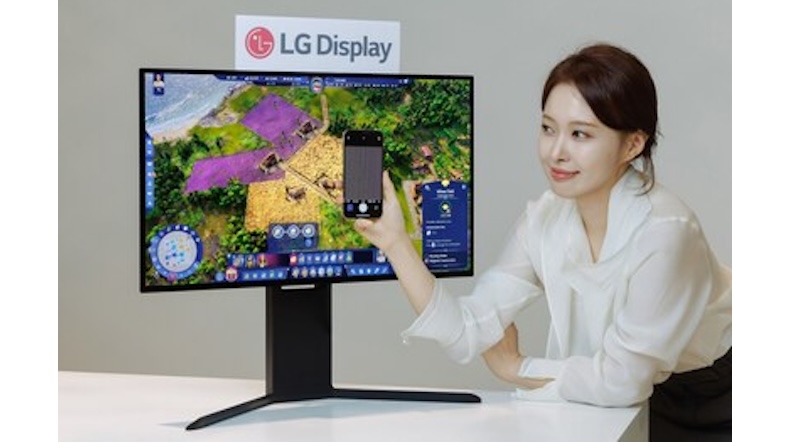
SEOUL: In the eternal battle between gamers demanding lightning-fast refresh rates and professionals craving pixel-perfect clarity, LG Display reckons it has found détente. The South Korean display titan is unveiling the world’s first 27-inch 4K OLED monitor panel that marries an RGB stripe structure with a blistering 240Hz refresh rate—a combination previously thought incompatible, like oil and water or fashion and function.
The breakthrough lies in how the pixels are arranged. RGB stripe structure lines up red, green and blue subpixels in neat rows, banishing the colour bleeding and fringing that plague lesser screens when you park your nose close to the display. It is the difference between reading crisp text and squinting at a rainbow-tinged mess. OLED panels using this method existed before, but they topped out at a sluggish 60Hz—fine for spreadsheets, useless for fragging opponents in first-person shooters.
LG Display’s engineering wizardry changes the game. By cranking the refresh rate to 240Hz whilst maintaining that pristine RGB stripe layout, the company has produced a panel that works equally well for colour-critical design work and twitchy gaming sessions. Better still, the panel incorporates Dynamic Frequency & Resolution technology, letting users toggle between ultra-high-definition at 240Hz and full-HD at a frankly ludicrous 480Hz. That is fast enough to make your eyeballs sweat.
The specs are suitably impressive: 160 pixels per inch for exceptional detail, optimised performance for Windows and font-rendering engines, and colour accuracy that should please the Photoshop brigade. LG Display achieved this by boosting the aperture ratio—the percentage of each pixel that actually emits light—and applying what it coyly describes as “various new technologies.” Translation: years of R&D and probably some sleepless nights.
Existing high-end gaming OLED monitors have relied on RGWB structures (which add a white subpixel) or triangular RGB arrangements. Both work, but neither delivers the sharpness that professionals demand. LG Display’s new stripe pattern is tailored specifically for monitor use, a recognition that staring at a screen from two feet away demands different engineering than watching telly from across the room.
The company is betting big on this technology, targeting the high-end monitor market where it already commands roughly 30 per cent of global OLED panel production. Among gaming OLED panels in mass production, LG Display claims world-leading specs across refresh rate, response time and resolution—a trifecta that sounds like marketing bluster until you check the numbers.
“Technology is the foundation of leadership in the rapidly growing OLED monitor market,” says LG Display head of the large display business unit Lee Hyun-woo. He promises to keep pushing “differentiated technologies compared to competitors”—corporate-speak for staying ahead of Chinese rivals snapping at LG’s heels.
The new panel will debut at CES 2026 in Las Vegas, where LG Display plans to woo customers and expand its lineup. Initial rollout targets high-end gaming and professional monitors, the sweet spot where people actually pay premiums for superior screens rather than settling for whatever came with their laptop.
Whether this technology reshapes the monitor market or remains a niche luxury depends on two things: pricing and production scale. But for now, LG Display has pulled off something rare—a genuine technical leap that solves a real problem. Gamers get their speed, designers get their clarity, and LG gets bragging rights. In the cutthroat world of display tech, that counts as a win.