MAM
Mutual funds and asset allocation: Finding the perfect balance for maximum returns

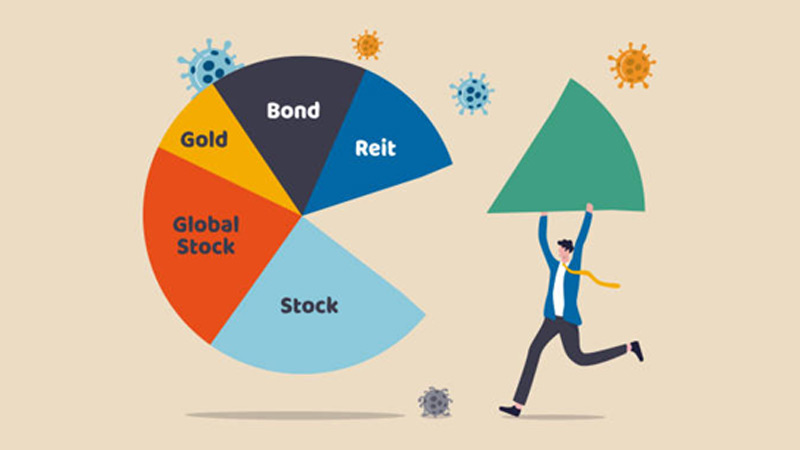
When investing, finding the perfect balance between risk and reward is important for long-term wealth creation. Mutual funds are a powerful financial product for investors seeking to optimise their portfolios through strategic asset allocation.
To optimise investments, you need to learn how mutual fund asset allocation works and position yourself to achieve maximum returns while mitigating risk effectively.
Mutual funds and asset allocation
Mutual funds and asset allocation share a symbiotic relationship, as mutual funds provide an easy way to implement an asset allocation strategy by diversifying investments across various asset classes. This makes them valuable if you do not have the expertise, time, or resources to build and manage a diversified portfolio.
Advantages of mutual funds for asset allocation
To attain balance and maximise returns through asset allocation, you need to understand the benefits of mutual funds for asset allocation.
• Diversification
Mutual funds have the advantage of built-in diversification. A mutual fund contains multiple individual securities, providing inherent diversification. For instance, an equity mutual fund can help diversify across different industries, sectors, and capitalisations. This diversification reduces the effect of a poor-performing investment within the fund.
• Professional management
Mutual funds are handled by experienced professionals who make choices regarding the purchase, retention, and selling of securities. These managers possess deep knowledge of market analysis, economic projections, and mitigating risks, enabling you to reap the benefits from their expertise without requiring these abilities.
• Accessibility and affordability
Mutual funds have minimum investment requirements, making them available to a wide variety of investors. The affordability makes it possible for you to create a diversified portfolio even with small amounts of capital.
• Flexibility
Mutual funds offer investment options across different categories, such as equity funds, debt funds, balanced funds, and index funds, each with a distinct risk-return profile. They allow you to customise asset allocation according to your financial goals and risk tolerance.
How to choose the perfect mutual funds for an asset allocation plan?
Finding the ideal mutual funds is key to the success of your asset allocation plan. The best mutual funds for your portfolio depend on many factors. A few include:
• Investment objectives: Align funds with your investment goals, such as growth, income, or preservation of capital.
• Risk tolerance: Select funds whose risk profiles match your tolerance for market volatility.
• Time horizon: Consider your investment horizon, as time tends to influence the correct asset mix.
• Expense ratios: Lower costs can have a significant impact on your net returns over time.
• Historical performance: Though past performance does not assure future outcomes, it provides insight into a fund’s consistency and management skills.
Asset allocation calculator
An asset allocation calculator could help you determine the ideal combination of assets for your investment portfolio. The calculators consider your age, risk tolerance, and time horizon before suggesting an appropriate mix across different asset classes. It provides recommendations while
helping you balance risks and returns.
Conclusion
Asset allocation in mutual funds allows you to take advantage of diversification, management, liquidity, and flexibility. After selecting funds that match your investment goals and utilising tools like asset allocation calculators, you can build a balanced portfolio that maximises rewards while minimising risks.
Mutual funds provide you with the structure and discipline needed to navigate market volatility and achieve long-term success, making them an ideal choice for every type of investor.