e-commerce
Click, cart, commitment: India’s e-shoppers want more than just speed

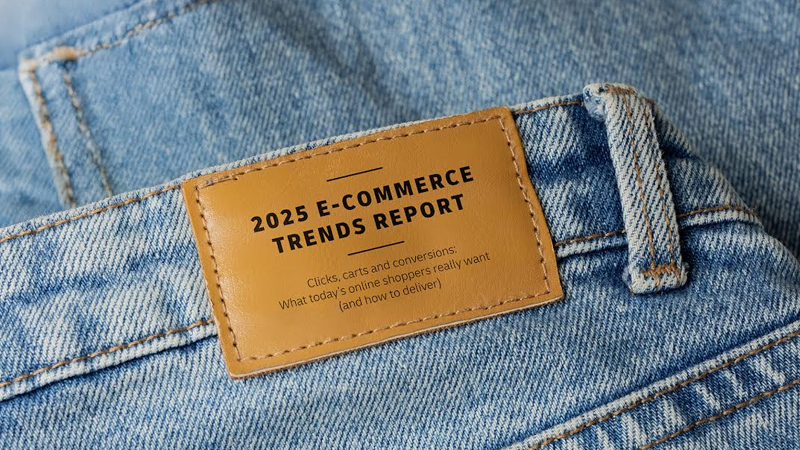
MUMBAI: Voice-activated shopping? Viral trends driving sales? Welcome to aisle 2030. Blue Dart Express Limited, part of DHL eCommerce, has just dropped the E-Commerce Trends Report 2025, and it’s clear: Indian online shoppers are not just clicking, they’re expecting. From AI-powered assistants to sustainability-first delivery, today’s buyers want tech with trust and purchases that feel purposeful.
Drawing from consumer insights across generations and shopper types, the report explores what’s really pushing the buy button for Indians online. And it’s not just deals or discounts, it’s delivery reliability, eco-credibility, and the seamlessness of a Tiktok-to-checkout experience.
Almost 89 per cent of Indian shoppers want AI-powered features think virtual try-ons, voice-based product search, and digital shopping assistants. And this isn’t wishful thinking 64 per cent are already shopping hands-free. AI isn’t a futuristic add-on anymore; it’s becoming the new filter on the retail lens.

Forget browsers. 84 per cent of Indian consumers have already made a purchase via social media, and a whopping 90 per cent say Instagram, Facebook and Youtube could be their primary shopping destinations by 2030. Influencers are doing more than trending dances 93 per cent of Indian buyers say social buzz shapes what lands in their carts.
Cart abandonment isn’t about indecision, it’s about expectation. 80 per cent of shoppers say they’ll cancel a purchase if their preferred delivery option isn’t available. And if the returns process doesn’t match expectations? Another 81 per cent walk away. Even trust in the courier matters: over half (54 per cent) won’t buy from retailers with unreliable logistics partners. In e-commerce, convenience is king and logistics is the throne.
Sustainability is no longer a bonus, it’s a baseline. 82 per cent of shoppers now weigh eco-friendliness before clicking “buy.” Whether it’s over packaging waste or carbon-heavy delivery, 59 per cent have ditched carts due to sustainability concerns. Plus, 52 per cent say they’re opting for pre-owned goods, and 81 per cent are open to recycling or buy-back schemes.
“Convenience, choice and control are non-negotiable,” said Blue Dart managing director Balfour Manuel. “Despite digital leaps, delivery and returns remain the heartbeat of consumer experience. Brands must evolve beyond tech towards transparency, purpose and seamless execution.”
As AI reshapes interfaces, social media morphs into shopping malls, and sustainability steers decisions, this report offers a sneak peek into the shopper of tomorrow. Retailers that listen closely and deliver boldly may just turn browsing into belonging.
Because in 2025, a smooth checkout isn’t enough. Shoppers want a story, a stance and same-day delivery.







e-commerce
American Express to acquire AI startup Hyper to boost automation
Deal targets expense management as AI reshapes corporate spending tools.
MUMBAI: From receipts to robots, the expense sheet is getting a brain upgrade as American Express moves to bring artificial intelligence into the heart of corporate spending. The company has announced plans to acquire Hyper, a relatively young but fast-rising startup founded in 2022 that builds AI-powered agents capable of organising expenses, generating reports, verifying compliance with budgets and policies, and nudging users with timely reminders. The deal, expected to close in the second quarter of 2026, underscores a growing shift among financial institutions to automate traditionally manual, time-heavy workflows.
Hyper counts Sam Altman among its backers, adding a layer of Silicon Valley credibility to the acquisition. While financial details remain undisclosed, the strategic intent is clear: deepen automation capabilities and sharpen American Express’s position in the competitive corporate spending ecosystem.
The two companies are not strangers. They previously collaborated in 2024 on a co-branded credit card product, suggesting that the acquisition is less a cold buy and more an extension of an existing relationship. With this move, American Express is effectively bringing that capability in-house, aiming to embed AI directly into its commercial services stack.
Chief executive Stephen Squeri had already signalled the direction of travel in a recent shareholder letter, describing AI as a “structural shift” in how businesses operate. The Hyper acquisition appears to be a direct response to that shift, particularly in expense management, where processes such as approvals, compliance checks and reporting remain ripe for automation.
Alongside the acquisition, the company is also expanding its product suite. A recently launched business credit card offers cashback and benefits at an annual fee of $295, with another card expected later this year moves that complement its broader push into commercial services.
Taken together, the strategy points to a future where managing expenses may require fewer spreadsheets and more algorithms. For American Express, the bet is simple, if businesses are rethinking how work gets done, the tools that power that work need to evolve just as quickly.







