Digital
Content India 2026 confirms dates and opens registrations

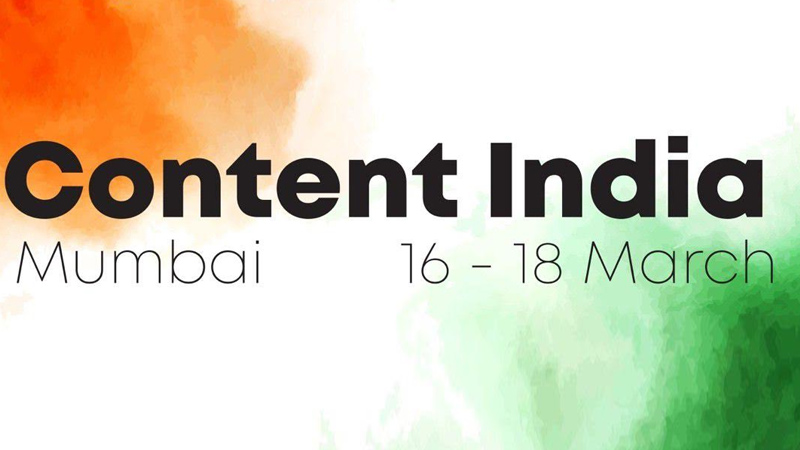
MUMBAI: Following the success of the Content India Summit in April 2025, registrations are now open for its first three-day edition, set to take place from 16-18 March, 2026, at Taj Lands End, Mumbai.
Content India 2026 aims to connect India’s domestic market with international partners to unlock billions in untapped value. Building on the momentum from earlier this year, Content India 2026 is set to be a dynamic platform for cross-border partnerships in the content space. The three-day event will feature panel discussions, a marketplace for domestic and international content, special screenings, curated networking sessions, and more. It aligns with insights from The Future of the Indian Entertainment Business report, which highlights major growth potential in content sales, acquisitions, co-productions, and services in this new era of collaboration.
The announcement coincides with a major geopolitical milestone: the signing of a landmark trade agreement between India and the UK, expected to boost bilateral trade by an additional £25.5 billion annually by 2040. This lends even greater relevance to Content India 2026’s broader ambition of strengthening India’s position as a global content hub through strategic international collaboration.
Content India 2026 is anchored around twelve strategic goals designed to transform India’s entertainment economy. These include creating globally resonant hybrid content, attracting international productions, and showcasing India’s capabilities in AI and post-production. The event will connect the creator economy with legacy media and explore new funding models such as venture capital. It also aims to enable co-productions through a trusted partner network, boost format exports and imports, drive brand partnerships, and highlight global content trends.
By placing a strategic lens on international collaboration and creative synergy, Content India 2026 positions itself as a marquee industry event for stakeholders looking to be part of the next wave of growth and innovation in India’s content economy.
Announcing the dates, C21’s editor-in-chief & managing director David Jenkinson said, “The Content India Summit in April 2025 consolidated the fact that there is real opportunity for the Indian and international market to create new partnerships in a fresh way. Content India 2026 will focus on how to build successful content partnerships which benefit all, and lead to new formats of content that can work locally, but also be a hit on the world stage. Now is the time.”
Dish TV India CEO & executive director Manoj Dobhal added, “India is entering a pivotal phase where content goes beyond entertainment—it represents influence, identity, and economic strength. Content India Summit 2025 offered deep insight into the industry’s evolving aspirations and reaffirmed India’s readiness to lead the next wave of global content innovation. With Content India 2026, we aim to build a purpose-driven platform that champions bold storytelling, connects emerging talent with real opportunity, and turns ambition into impact. Our goal is to foster an inclusive, globally competitive eco-system that empowers both seasoned professionals and the next generation of creators. The potential is immense, and this platform will help unlock it through meaningful collaboration. We welcome all who share this vision for India’s entertainment future to join us.”