MAM
DS Group’s Pulse Candy was recognised by IIMA as a case study in marketing excellence

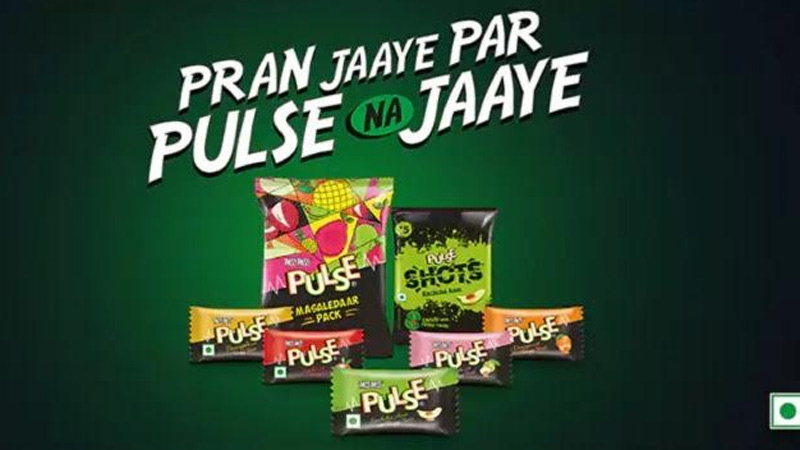
Mumbai: Being a leader in the hard-boiled candy segment for the last eight years, Pulse Candy has captured millions of consumers’ taste buds. The IIMA case study examines the marketing strategies and strategic decisions that fueled Pulse Candy’s rise to prominence. It looks at how DS Group identified market needs, developed a unique product, and navigated various challenges to achieve success.
“We are deeply honoured by IIM Ahmedabad’s recognition of Pulse Candy as a case study,” said DS Group vice chairman Rajiv Kumar. “This acknowledgement highlights our team’s dedication and the product’s significant impact on the market. Our continuous focus on innovation and dedication to deliver what the consumer wants is what has helped us flourish and remain relevant since the last 95 years. We hope this case study serves as an inspiration to future marketers and entrepreneurs.”
IIM Ahmedabad prof Sanjay Verma said, “The inclusion of Pulse Candy in our case study series underscores the remarkable intersection of innovation and strategic acumen. Pulse Candy’s journey from a bold market entry to industry leadership is a testament to the power of creative marketing and strategic vision. This case study not only highlights DS Group’s ability to identify and capitalize on market opportunities but also provides invaluable insights for future business leaders. It is a compelling example of Culture Marketing and how well-executed strategies can redefine market dynamics and achieve unprecedented success.”
This three-part case study examines DS Group’s strategic entry into the competitive hard-boiled candy market. The FMCG giant’s transition into a sector dominated by established national and international players is explored in detail. The study analyzes the identified market opportunity and DS Group’s approach to product differentiation. It provides a comprehensive overview of market size, growth, segmentation, key competitors, and distribution channels.
The launch of Pulse Candy is the second part of the series and is highlighted as a turning point in the case study. By identifying a consumer preference for tangy raw mango, DS Group created a unique, premium candy. This innovative product, with its distinctive taste and packaging, rapidly gained popularity, surpassing competitors to become the market leader.
Pulse Candy’s success is further examined in terms of marketing strategies and challenges in the third series. Pulse Candy achieved Rs 1 billion in sales in eight months through BTL, digital, and influencer marketing. Despite counterfeits, copycats, and shortages, DS Group’s strategies maintained market dominance.