Brands
Dream11’s parent firm raises $400 million in fresh funding round


NEW DELHI: Fantasy sports app Dream11’s parent firm Dream Sports has secured $400 million in a new financing round led by the company’s early investors.
The secondary fundraise was led by D1 Capital Partners and Falcon Edge. The new round valued the start-up at nearly $5 billion, up from about $2.5 billion in a mix of primary and secondary September round last year. TCV, a long-time backer of Netflix in India, made its first investment in the firm with this round.
Existing investors including Tiger Global, ChrysCapital, TPG Growth, Steadview Capital and Footpath Ventures also participated in the round, which brings Dream Sports’ total to-date raise to over $720 million. Avendus Capital was the financial advisor to Dream Sports on the transaction.

“This is a huge vote of confidence to the Indian start-up ecosystem. We have created the fantasy sports category in India to drive digital engagement to real-life sporting events and bring fans closer to the sport they love. We are proud to continually contribute to the overall expansion of the Indian sports ecosystem. Our growth trajectory is also a testimony to the prime minister’s vision of Atmanirbhar Bharat and Digital India,” said Dream Sports co-founder & chief executive Harsh Jain in a statement.
The start-up, whose Android app is not on the Play Store, said it has over 100 million users. Dream11 was the title sponsor for IPL 2020 after bidding $30 million for the much-coveted honour.
“India is home to the world’s largest and most energetic sports fan base with a dynamic mix that is unique to the subcontinent. Dream Sports is serving this community with a highly innovative product offering,” said TCV general partner Gopi Vaddi.
Dream11 isn’t the only firm building a niche in the fantasy sports space in India. Sequoia Capital India and Times Internet-backed Mobile Premier League is also a major player, which has expanded to traditional mobile games in recent months. Twitter-backed ShareChat also quietly began experimenting with fantasy sports last year.

Brands
RPSG’s Sudhir Langer exits days before IPL 2026
Timing sharpens focus on stake sale buzz and LSG’s tightening financial playbook
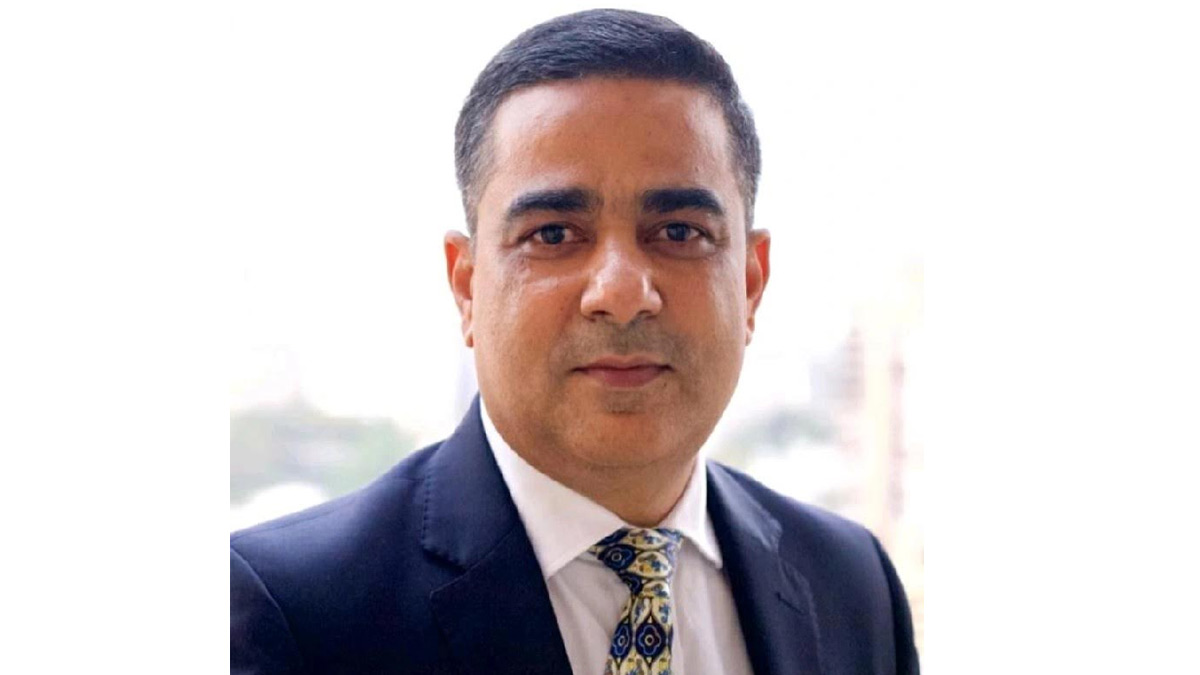
MUMBAI: RPSG ( RP-Sanjiv Goenka) Ventures has sprung a late leadership surprise just as the IPL drumroll begins. Sudhir Langer will step down as whole-time director and from the board effective March 31, days after the 2026 Indian Premier League season kicks off on March 28.
The timing is hard to ignore. RPSG Ventures owns Lucknow Super Giants, and Langer’s exit lands in a narrow pre-tournament window when operational focus is typically at its peak.
The move also coincides with chatter around a potential stake sale. According to a Moneycontrol report, the RPSG Group, led by Sanjiv Goenka, is exploring options to offload up to a 15 per cent stake in the franchise. There has been no official confirmation.
RPSG had acquired the Lucknow franchise in November 2021 for Rs 7,090 crore, among the highest bids in IPL history. The team operates under RPSG Sports Private Limited and carries a sizeable annual franchise fee obligation of Rs 709 crore through FY31.
Financials underline both scale and strain. The franchise remains heavily reliant on central revenue distribution from the Board of Control for Cricket in India. In H1 FY26, it received Rs 399 crore as its share of franchise rights, compared with Rs 458 crore in FY25, the single largest contributor to income.
Total revenue for H1 FY26 stood at Rs 495.9 crore, with profit at Rs 63.7 crore. Yet FY25 saw a softer showing: revenue fell about 20 per cent to Rs 557 crore, weighed down by fewer matches and a lower league finish in the 2024 season. Growth has since been modest, with H1 FY26 revenue rising roughly 3 per cent year on year.
That leaves LSG balancing on a familiar IPL tightrope: strong central inflows, volatile on-field-linked earnings and a hefty fixed fee burden.
With a leadership exit, stake-sale speculation and a new season about to begin, Goenka’s cricket bet is entering a decisive phase—where timing, performance and capital strategy will all have to click.








