MAM
Adi Godrej steps down from GPCL board

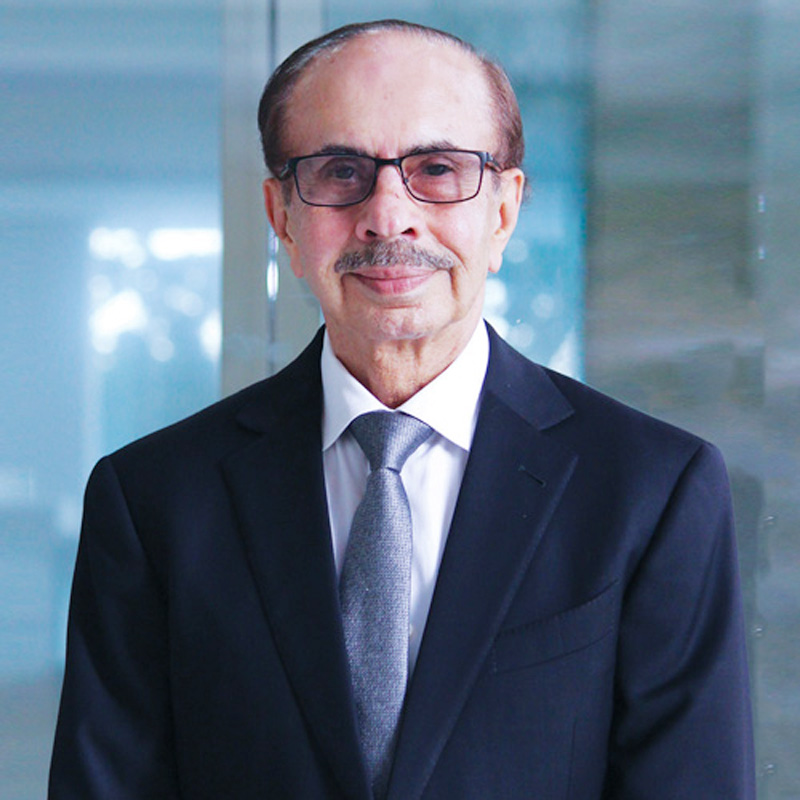
Mumbai: FMCG major Godrej Consumer Products Ltd (GCPL) on Wednesday announced that Adi Godrej will step down from the board of directors of the company, effective 30 September. He will continue to remain chairman emeritus of the company.
“It has been a privilege to serve Godrej Consumer Products. I am grateful to our Board for their continued guidance; to all our team members for their passion for Godrej and helping build a company that we can all be proud of; and to our customers, business partners, shareholders, investors, and communities, for their deep partnership over the years,” he said.
Adi Godrej further said that the company’s foundations are very strong. “I am very confident that Nisa and our leadership team will continue to build forward and create even more sustainable, long-term value for all our stakeholders,” he added.
In 2017, Adi Godrej passed on the reins of the company to his daughter Nisaba. He had then moved on to the role of chairman emeritus of the company.
Nisaba Godrej thanked her father for his vision and guidance that has helped shape and transform GCPL. The GCPL chairperson and MD added, “The values that he has taught us, combined with his disciplined, results-driven, and humble approach, will always be the core of our DNA. Our leadership team will continue to draw from this as we drive Godrej Consumer Products forward with a strong sense of purpose and ambition.”
The company also announced its CFO succession plan. Sameer Shah, GPCL’s current head of finance and investor relations has been promoted to the role of chief financial officer (CFO) of the company, effective 1 September. Shah succeeds V Srinivasan who has moved on as CFO and company secretary to pursue opportunities outside Godrej.
Shah has been associated with GCPL for 15 years. He has held a number of key leadership roles including as CFO of GPCL’s largest business, the India & SAARC cluster. He has also led diverse priorities across its global portfolio – investor relations, financial controlling, ERP implementation, global financial planning and analytics, and integrating inorganic businesses like Africa.
A chartered accountant by profession, Shah has specialised in Treasury Management from The Institute of Chartered Financial Analysts. Before joining GCPL, Shah worked at PepsiCo and General Mills.