MAM
Wunderman Thompson Kolkata onboards Ayan Banik as SVP – strategy

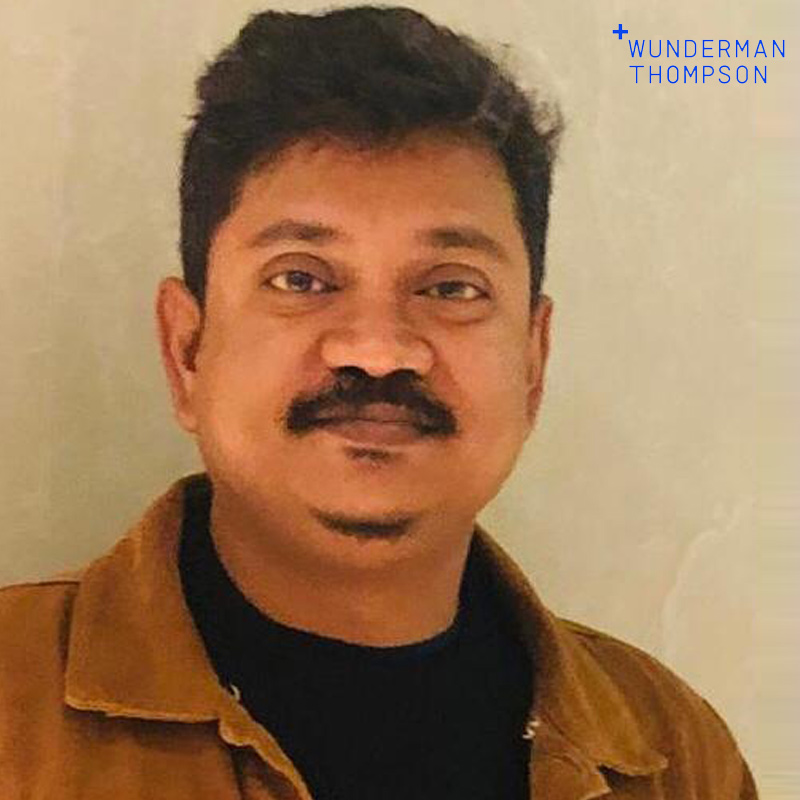
Mumbai: Wunderman Thompson Kolkata on Tuesday announced the onboarding of Ayan Banik as senior VP – brand strategy. In this role, he will report to Wunderman Thompson India chief strategy officer Pinaki Bhattacharya.
Banik joins Wunderman Thompson from Grey Delhi where he was not only heading planning for key clients like the GSK Portfolio, Volvo MMTC-PAMP, and Baidyanath. He was also heading the planning functions of key Bangalore and Mumbai accounts like the Britannia non-biscuit portfolio, Aditya Birla Group brands, Weilfield range of ready to cook and ready to eat range of products etc.
With 20 years of work experience, across agencies Ogilvy & Mather, JWT, Cheil India, Saatchi & Saatchi, Bates 141 and Grey Worldwide, Banik has worked on an enviable repertoire of brands across diverse categories that include names like Samsung, MMTC-PAMP, KFC, Eno, Pernod Ricard, Apollo Munich, Birla White, Volvo, Honda, in-shorts, Zee News, Mother Dairy, Britannia, said the statement.

“Ayan comes with rich experience across categories and brands and is adept at solving brand problems. What makes it even more exciting for us is that he will be based out of our Kolkata office- an office that handles some of our most cherished brands and has great momentum going for it,” said Pinaki Bhattacharya.
“The WT Kolkata team has been on a roll with some very memorable award-winning work in the last few years,” stated Wunderman Thompson Kolkata senior VP and managing partner Vijay Jacob Parakkal. “Ayan’s rich Planning experience and infectious energy will really add more muscle to the team. I am really looking forward to partnering with Ayan and Arjun and doing some great work for our clients.”
Banik was part of the core team that won the first-ever Cannes Glass Lion for both Cheil and Samsung India. He had also played an integral role in winning the prestigious WPP Partnership in Practice Award for Ogilvy India.
“It’s an absolute honour and a privilege to work with industry stalwarts like Pinaki Bhattacharya and Vijay Jacob Parakkal,” commented Ayan Banik on his appointment. “Kolkata is one of the fastest transforming cities. With consumerism about to explode, it’s a really exciting time to be in Kolkata and create newer milestones in the advertising and marketing landscape.”



AD Agencies
Abhay Duggal joins JioStar as director of Hindi GEC ad sales
The streaming giant brings in a seasoned revenue hand as the battle for Hindi television advertising heats up
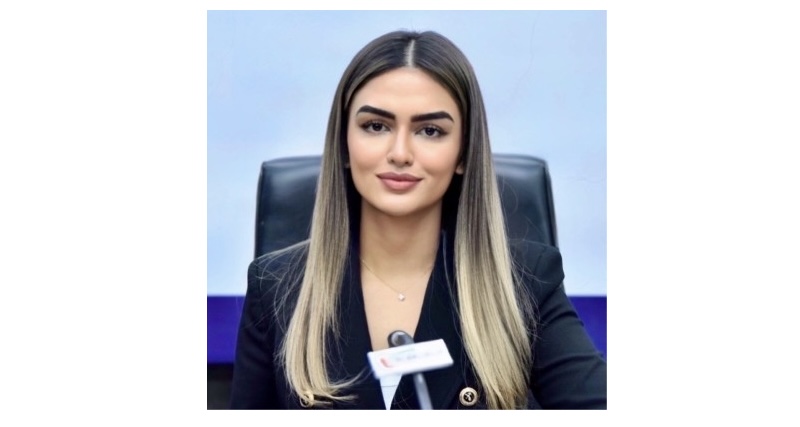
MUMBAI: Abhay Duggal has a new desk, and JioStar has a new weapon. The media and entertainment veteran has joined JioStar as director of entertainment ad sales for Hindi general entertainment channels, adding 17 years of hard-won revenue experience to one of India’s most powerful broadcasting operations.
Duggal is no stranger to big portfolios or bruising markets. Before joining JioStar, he spent a brief stint at Republic World as deputy general manager and north regional head for ad sales. Before that, he put in three years at Enterr10 Television, where he ran the north region for Dangal TV and Dangal 2, two of India’s leading free-to-air Hindi channels. The north alone accounted for more than 50 per cent of total channel revenue on his watch, a number that tends to get attention in any sales meeting.
His longest stint was at Zee Entertainment Enterprises, where he spent over six years rising to associate director of sales. There he commanded the Hindi movies cluster across seven channels, owned more than half of north India’s revenue across flagship properties including Zee TV and &TV, and closed marquee sponsorships across the Indian Premier League, Zee Rishtey Awards and Dance India Dance. He also handled monetisation for the English movies and entertainment cluster and the global news channel WION, a portfolio that would stretch most sales teams twice his size.
Earlier in his career Duggal closed what was then a Rs 3 crore single deal at Reliance Broadcast Network, one of the largest in Indian radio at the time, before that he helped launch and monetise JAINHITS, India’s first HITS-based cable and satellite platform.
His edge, by his own account, lies in marrying data and instinct: translating audience trends, inventory signals and client demands into long-term partnerships built on cost-per-rating-point discipline rather than short-term deal chasing. In a media landscape being reshaped by streaming, fragmented attention and AI-driven advertising, that kind of rigour is increasingly rare and increasingly valuable.
JioStar, which blends the scale of Reliance’s Jio platform with the content firepower of Star, is doubling down on its advertising business at precisely the moment the Hindi GEC market is getting more competitive. Bringing in someone who has spent nearly two decades doing exactly this, across some of India’s most watched channels, is a pointed statement of intent. Duggal has spent his career turning audiences into revenue. JioStar is clearly betting he can do it again, and bigger.