MAM
Ravi Shastri’s ‘king of good times’ avatar in latest Cred ad sets the internet abuzz

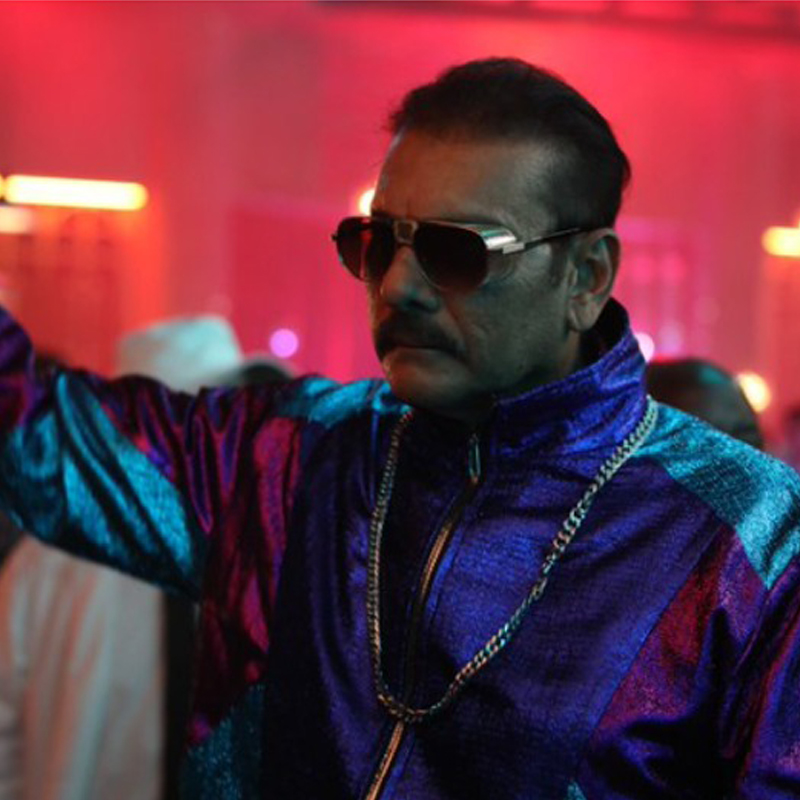
Former Indian cricket head coach, Ravi Shastri’s fondness for alcohol is well known. Shastri himself has never shied away from acknowledging that a good brew of beer is good enough to lift his spirits! But this has also led him to be the butt of trolls and a source of many memes on social media on numerous occasions in the past. Cashing in on this premise, Cred’s latest and probably the final ad spot for this IPL, celebrates and reinforces this image of Shastri as Indian cricket’s ‘King of good times’. And the internet is loving it!
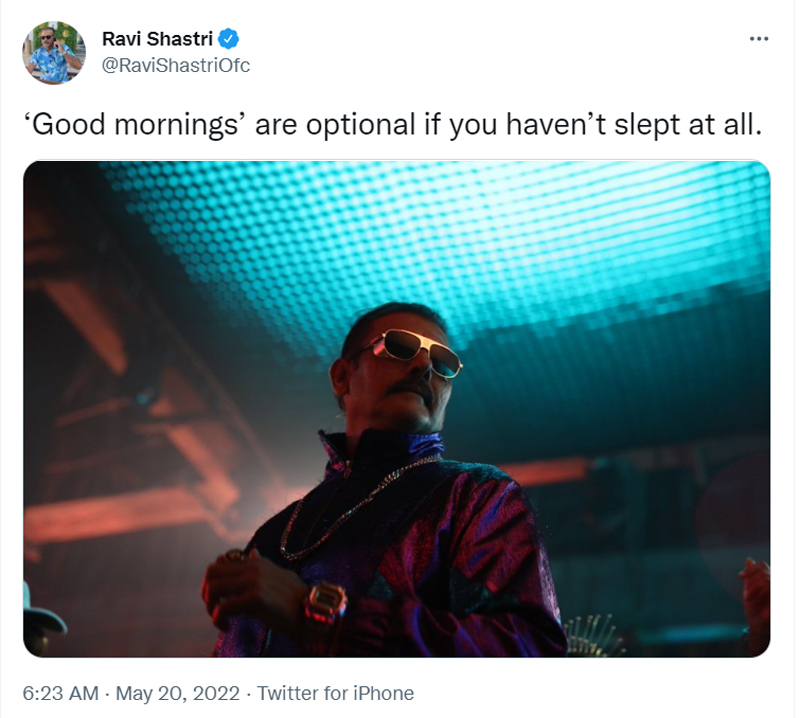
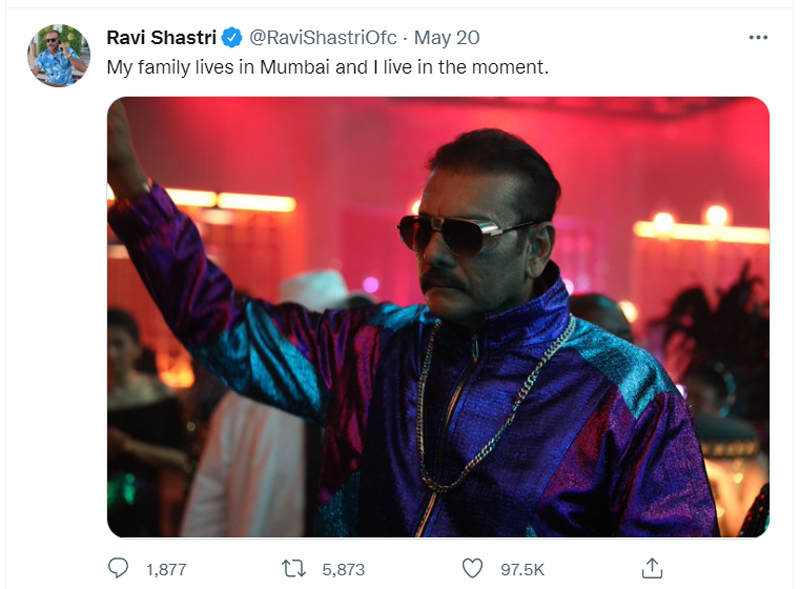
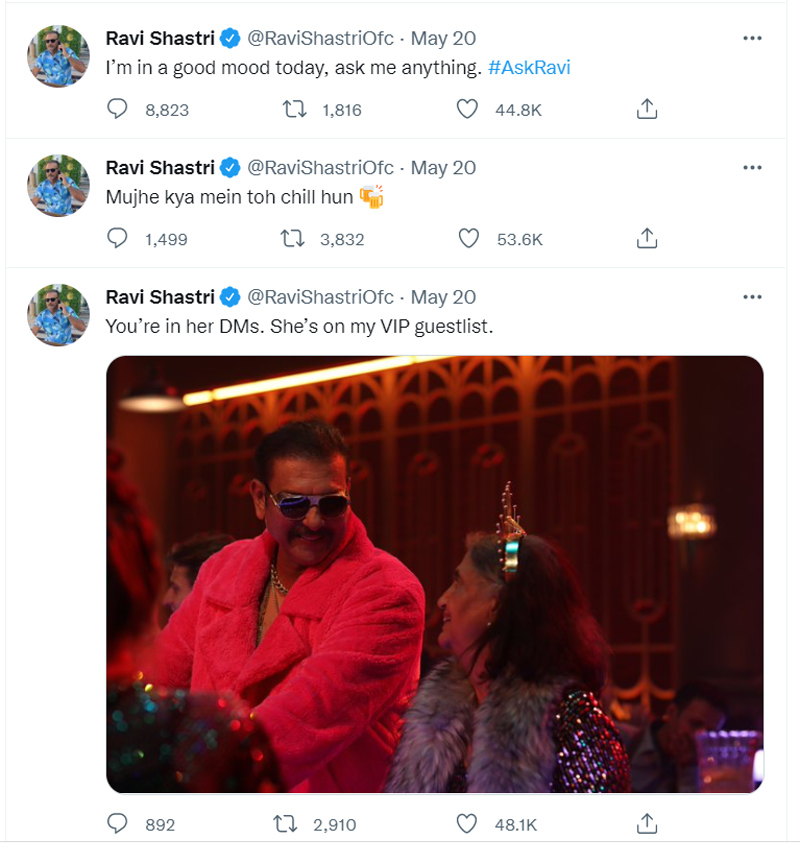
A day prior to the campaign launch, Ravi Shastri set the internet abuzz by sharing speculative pics of him partying away (which we now know are shots from the ad film) with suggestive captions such as: ‘Good mornings are optional if you haven’t slept at all’, or ‘My family lives in Mumbai and I live in the moment.’ And even bizarre tweets like ‘Mujhe kya mein toh chill hun’ and suspicious sounding ones like: ‘I’m in a good mood today, ask me anything. #AskRavi ‘
Sharing the brand film with a hilarious ‘Don’t remember any of this’ caption, Shastri even went on to update his Twitter bio to ‘Happy Hours always ’ followed by a ‘cheers’ emoji.

Don’t remember any of this. pic.twitter.com/xDppHjE0iz
— Ravi Shastri (@RaviShastriOfc) May 21, 2022
The film showcases the former coach in a badass, snazzy avatar, and further drives in his spirit-loving image, with the comical usage of the popular ‘sattar minute’ phrase for happy hours, and lines like ‘I used to be a batsman, but for you, I can be a keeper’, ‘Waste mat karo yaar’ for popping the bubbly.
Also, Jim Sarabh seems to have retired well and truly from the brand’s films, with his signature line taken up by the celebrity himself- in this instance Shastri- spouting lines like, “Being Ravi Shastri is fun. But not as fun as paying your credit card bills on Cred and getting rewards!”
The writing is credited to the AIB team of Tanmay Bhat, Devaiah Bopanna, Puneet Chadha, among others. The Twitterati, of course, lapped it up, with even his former coaches and team India cricketers joining in the fun and banter surrounding the video. Indian Cricketer Yuzvendra Chahal responded to the film with a tweet saying: Ravi Shastri gave the best ’70 minute’ speech ever.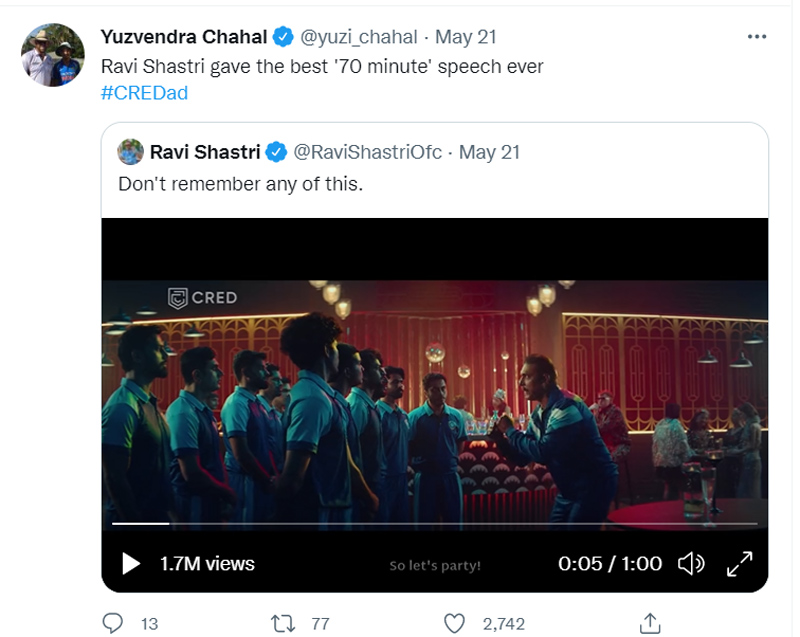
Addressing the senior cricketer, ‘Ravi sir’, cricketer Shubman Gill called it “Dawn of a new era”.
Meanwhile, television and cricket presenter, Gaurav Kapur, known for being the host of the pre-match Indian Premier League show, Extraaa Innings T20 and Cricbuzz Live jumped in, saying, “I can personally vouch for the fact that evenings with the champ are as much fun as this”, following it with partying emojis.
I can personally vouch for the fact that evenings with the Champ are as much fun as this#CREDad https://t.co/yTsIZkZEyn
— Gaurav Kapur (@gauravkapur) May 21, 2022
Cred shared the video on YouTube with the accompanying, fun message purportedly from the senior cricketer: “As Ravi Shastri, I want to make it very clear that all my parties are invite-only. But I admire our youth and their potential, so if you’re able to do all of the following, you’re automatically on the guest list.”
It went on to add five pointers for ‘making the cut: “1. Open beer bottles with a bat. If you ask how, you’re already out. 2. Analyse footage from the party to see where drinks were wasted 3. Bartend 24×7 4. Carry an extra case of cough syrup at all times 5. Parallel park the bar-counter If you make the cut, congratulations. You’re never going to remember another night in your life again”.
The caption goes on to make a case for the credit card payment app brand, with the cricketer signing off with: “Believe me, I know what’s fun.”
Gauging from the change in tone and tenor of the latest Cred ‘Play it Different’ ad, from its previous nostalgia-inducing series and before that, the celebrities doing stuff completely uncharacteristic to their personalities – remember the angry Dravid and quirky Kapil Dev films- would this be the beginning of a new series of ad films for the credit card payment brand? One wherein celebrities join in to reiterate and even reinforce their much-maligned image? If so, wonder which other celebrity is going to go next! Wait and watch this space for more…





Digital
Content India 2026 opens with a copro pitch, a spice evangelist and a £10,000 prize for Indian storytelling
Dish TV and C21Media’s three-day summit puts seven ambitious projects before an international jury, and two walk away with serious development money
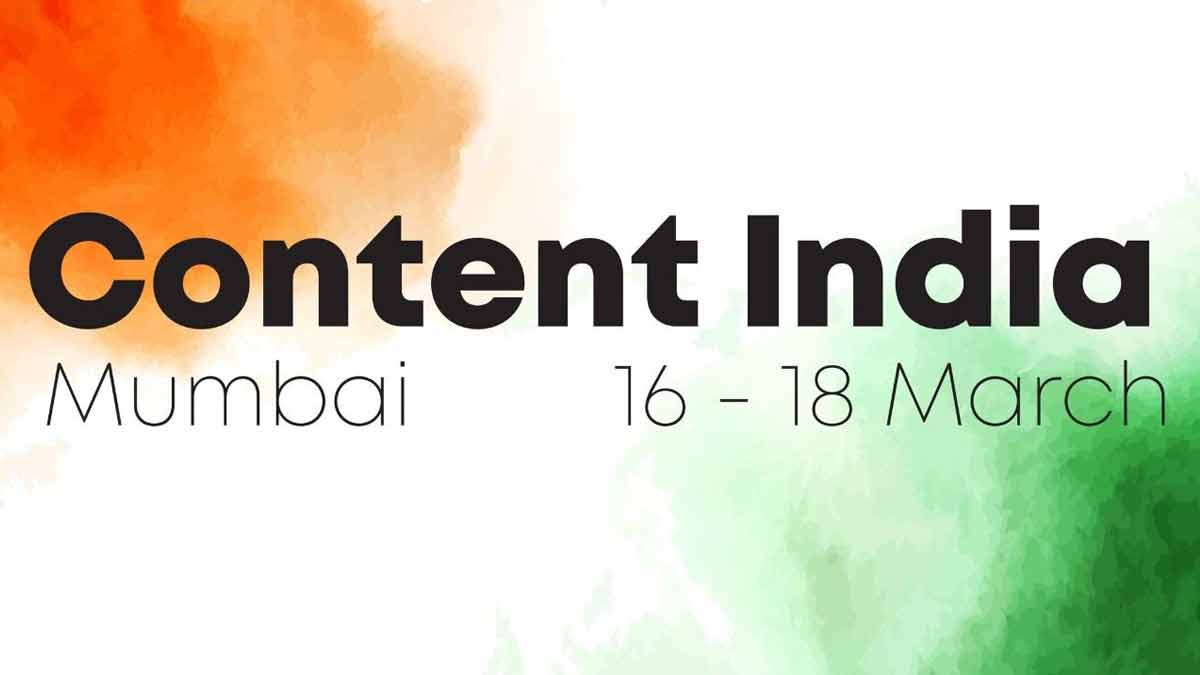
MUMBAI: India’s content industry gathered in Mumbai this March for Content India 2026, a three-day summit organised by Dish TV in partnership with C21Media, and it wasted no time making a statement. The event opened with a Copro Pitch that put seven scripted and unscripted television concepts before an international panel of judges, and by the end of it, two projects had walked away with £10,000 each in marketing prize money from C21Media to support development and international promotion.
The jury, comprising Frank Spotnitz, Fiona Campbell, Rashmi Bajpai, Bal Samra and Rachel Glaister, evaluated a shortlist that ranged from a dark Mumbai comedy-drama about mental health (Dirty Minds, created by Sundar Aaron) to a Delhi coming-of-age mystery (Djinn Patrol, by Neha Sharma and Kilian Irwin), a techno-thriller about a teenage gaming prodigy (Kanpur X Satori, by Suchita Bhatia), an investigative crime drama blending mythology and modern thriller (The Age of Kali, by Shivani Bhatija), a documentary on India’s spice heritage (The Masala Quest, hosted by Sarina Kamini), a documentary on competitive gaming (Respawn: India’s Esports Revolution, by George Mangala Thomas and Sangram Mawari), and a reality-horror competition merging gaming and immersive fear (Scary Goose, by Samar Iqbal).
The session was hosted by Mayank Shekhar.
The two winners were Djinn Patrol, backed by Miura Kite, formerly of Participant Media and known for Chinatown and Keep Sweet: Pray & Obey, with Jaya Entertainment, producers of Real Kashmir Football Club, also attached; and The Masala Quest, created and hosted by Sarina Kamini, an Indian-Australian cook, author and self-described “spice evangelist.”
The summit also unveiled the Content India Trends Report, whose findings made for bracing reading. Daoud Jackson, senior analyst at OMDIA, set the tone: “By 2030, online video in India will nearly double the revenue of traditional TV, becoming the main driver of growth.” He noted that in 2025, India produced a quarter of all YouTube videos globally, overtaking the United States, while Indians collectively spend 117 years daily on YouTube and 72 years on Instagram. Traditional subscription TV is declining as free TV and connected TV gain ground, forcing broadcasters to innovate. “AI-generated content is just 2 per cent of engagement,” Jackson added, “highlighting the dominance of high-quality human content. The key for Indian media companies is scaling while monetising effectively from day one.”
Hannah Walsh, principal analyst at Ampere Analysis, added hard numbers to the picture. India produced over 24,000 titles in January 2026 alone, with 19,000 available internationally. The country now accounts for 12 per cent of Asia-Pacific content spend, up from 8 per cent in 2021, outpacing both Japan and China. Key exporters include JioStar, Zee Entertainment, Sony India, Amazon and Netflix, delivering over 7,500 Indian-produced titles abroad each year. The top importing markets are Saudi Arabia, the UAE, Egypt, the United States and the Philippines. Scripted content dominates globally at 88 per cent, with crime dramas and children’s and family titles performing particularly strongly.
Manoj Dobhal, chief executive and executive director of Dish TV India, framed the summit’s ambition squarely. “Stories don’t need translation. They need a platform, discovery, and reach, local or global,” he said. “India produces more movies than any country, our streaming platforms compete globally, and our tech and creators win international awards. Yet fragmentation slows growth. Producers, platforms, and tech move in different lanes. We need shared spaces, collaboration, and an ecosystem where ideas, technology, and people meet. That is why we built Content India.”
The data, the pitches and the prize money all pointed to the same conclusion: India is not waiting for the world to discover its stories. It is building the infrastructure to sell them.







