MAM
Leo Burnett wins PepsiCo India’s creative mandate

Mumbai: PepsiCo India has selected Publicis Groupe agency Leo Burnett India as its creative partner to drive long-term growth and momentum across its foods and beverages portfolio.
As part of the partnership, Leo Burnett will be responsible for the company’s creative and digital mandate across all brands in the country. The account has been won after an intense multi- agency pitch.
Speaking about the appointment, PepsiCo India senior vice president George Kovoor said, “At PepsiCo India, our aim is to create innovative and purposeful consumer campaigns that help us engage effectively with our consumers. With an intent to further accelerate our marketing efforts, we are delighted to welcome Leo Burnett as our new creative agency. Their strategic thinking along with robust creative & marketing capabilities make them the right partners for our next phase of growth.”

Leo Burnett CEO, South Asia & chairman BBH India Dheeraj Sinha said, “We are overwhelmed with the trust posed in us by PepsiCo India in aligning their portfolio with us. PepsiCo’s business in India is witnessing a tremendous growth journey and we are looking forward to being their partners in accelerating this momentum. The mandate offers us a wonderful opportunity to further create groundbreaking work, and integrate culture, creativity, data and technology in campaigns, going forward.”






MAM
Time brings TIME100 Next franchise to India with Reliance
List to spotlight 100 emerging leaders, gala set for December 2026 in Mumbai.
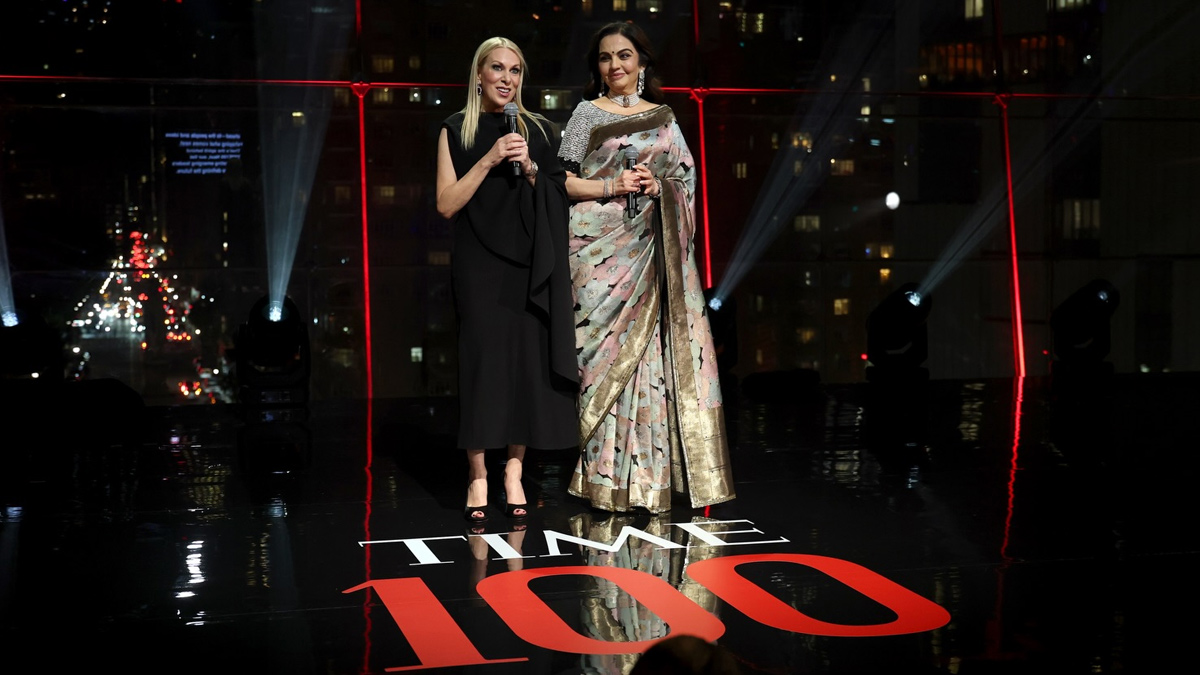
MUMBAI: It’s about time India’s next wave got a global spotlight and now, it’s on the list. New York-headquartered Time is expanding its TIME100 Next franchise to India, partnering with Reliance Industries Limited to launch TIME100 Next India, its first international extension of the rising leaders platform. The announcement was made at the Time100 Gala in New York by Jessica Sibley and Nita Mukesh Ambani, signalling a strategic push to tap into India’s growing influence across sectors.
The India edition will recognise 100 emerging leaders from the country and the global Indian diaspora, spanning business, science, sports, arts and social impact. The list will be curated by Time’s editorial team and published online, continuing the franchise’s focus on identifying individuals shaping the future.
The initiative will culminate in a gala event scheduled for December 2026 at the Nita Mukesh Ambani Cultural Centre, anchoring the platform within India’s cultural and business ecosystem.
TIME’s broader Time100 franchise has steadily expanded its global footprint since 2021 through events and impact-led initiatives. Executives noted that India’s growing pool of influential voices and innovators made it a natural next step for the platform’s international ambitions.
For Reliance, the partnership aligns with its broader push to support emerging talent and ideas on a global stage. For Time, it marks a timely bet on India not just as a market, but as a talent engine shaping the next chapter of global leadership.