iWorld
NetRange announces strategic partnership with Vidio

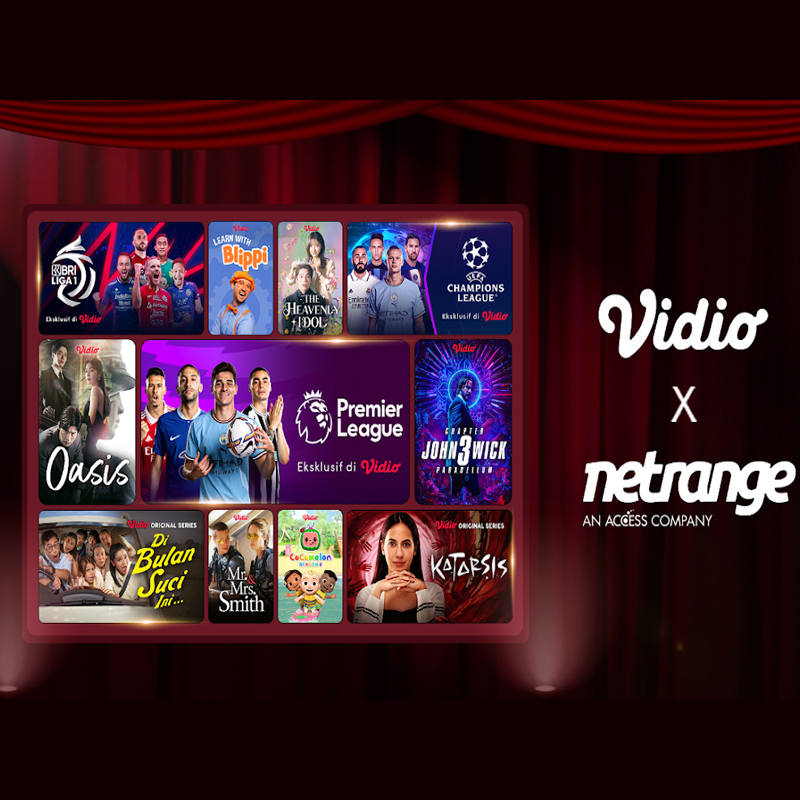
Mumbai: NetRange MMH GmbH (‘NetRange’ an ACCESS company), the global provider of white-labelled, turnkey Smart TV and OTT ecosystems, has announced a new strategic partnership with Vidio. This agreement will extend the reach of Vidio’s premium video-on-demand service in Indonesia through inclusion in the NetRange Smart TV App Store ecosystem.
“The combination of ‘must watch’ Indonesian content like our massive hit ‘Married with Senior’ alongside global hits such as the English Premier League and Hollywood blockbusters has put Vidio in pole position in the race for streaming audiences in Southeast Asia’s largest video market,” said Vidio chief product officer Hadikusuma Wahab. “Expanding our reach through the partnership with NetRange enables us to capitalise on this success, bringing great content to even more people direct to the biggest screen in the home.”
Vidio is the region’s leading OTT streaming platform, with over 60 million active users and a strong focus on local content and innovation. Owned by PT Elang Mahkota Teknologi Tbk, the service boasts a range of content, free-to-air and subscription channels, live streaming, films and dramas, and television and has been downloaded more than five million downloads through the App Store and Play Store. Alongside premium regional content, Vidio offers high-quality international movies from leading Indian production houses such as Eros Now, which are highly popular in Indonesia, and Hollywood blockbusters such as Fast and the Furious, Jumanji, and John Wick. It also offers live sports coverage, including major international events such as the UEFA Champions League and the English Premier League.
NetRange Smart TV Portals and App Stores provide the most straightforward route for content creators, TV manufacturers, media, and entertainment distributors to ride the connected and Smart TV wave. NetRange provides portal and ecosystem solutions to CE device manufacturers, infrastructure providers (satellite, cable, and telecommunications), OEMs/ODMs, retailers, and content brands. NetRange always looks to expand its worldwide content portfolio with high value local providers, especially in emerging markets. The portal is continuously developed and enhanced to help its device and content partners deliver to consumers. NetRange portals and ecosystems can be operated as global solutions or designed for specific countries, to drive a key business strategy of providing content to an often-underserved region: this combination of global content with leading local content is a key focus for NetRange’s Smart TV portfolio.
“NetRange is delighted to embark on this journey with Vidio as part of our drive to bring high-quality content and innovative consumer experiences to consumers via smart TVs in the booming Indonesian video market,” said ACCESS CO., LTD. CTO Michi Uemetsu. “Inclusion in NetRange’s Smart TV Apps enables Vidio content to be enjoyed by even more of the region’s consumers.”






