MAM
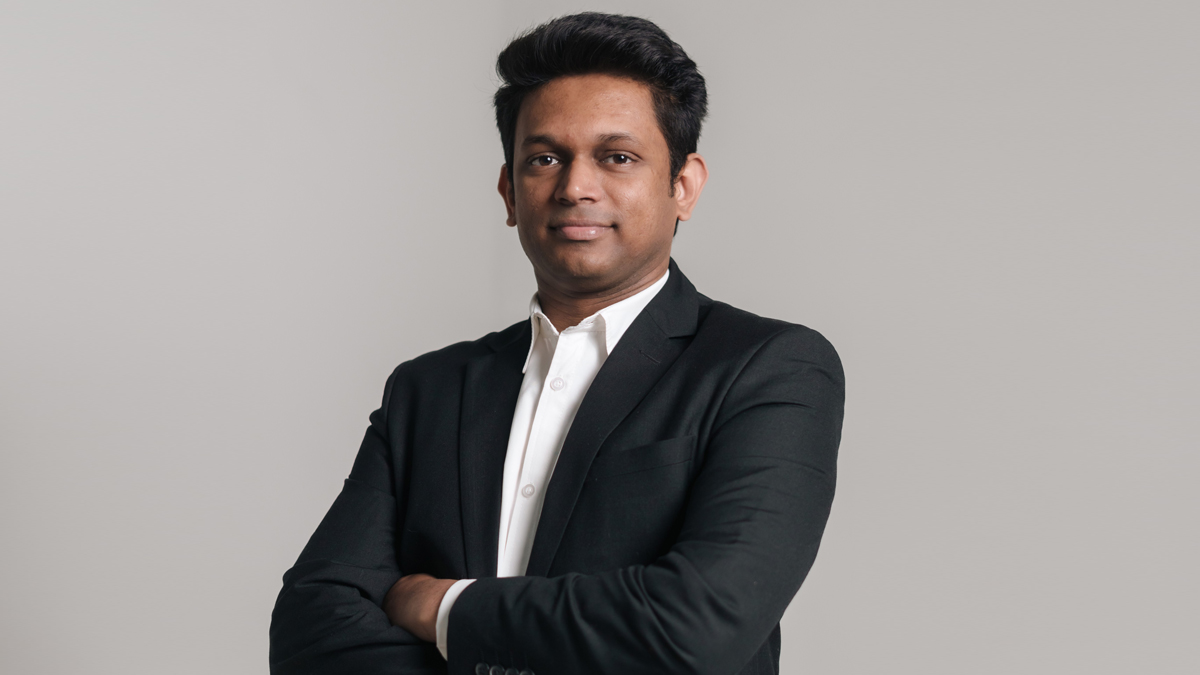
Borzo appoints Darryl Dias as India country head
India drives 65 per cent GMV, 75 per cent deliveries, 40,000 plus partners.
MUMBAI: When deliveries pick up speed, leadership tends to follow suit and Borzo is clearly shifting gears in India. The global intra-city delivery platform has appointed Darryl Dias as country head for India, underscoring the market’s outsized role in its global business. India currently contributes nearly 65 per cent of Borzo’s global gross merchandise value and over 75 per cent of its total deliveries, making it the company’s largest and fastest-growing market.
Dias steps in with over 15 years of experience spanning operations, business strategy and product development. His mandate is straightforward but expansive: accelerate growth, sharpen operational efficiency and deepen Borzo’s footprint in India’s increasingly competitive on-demand delivery ecosystem.
The scale is already significant. India accounts for close to 90 per cent of Borzo’s active global customer base, supported by a network of more than 40,000 monthly active delivery partners. The company is clocking an average quarterly GMV of around Rs 500 million in the country, driven largely by SMEs alongside rising demand across food, grocery and retail segments.
Before joining Borzo, Dias co-founded Magenta Mobility, where he worked on building technology-led systems within India’s electric mobility space. His earlier stint at Abus Kransysteme GmbH added cross-functional experience across technical and commercial operations.
The timing of the appointment is telling. Borzo is betting on India not just as a revenue engine but as an innovation hub, with plans to double down on AI-led route optimisation, fraud detection and customer experience enhancements. The focus will also be on expanding into high-growth urban clusters while strengthening its delivery partner network.
As hyperlocal and same-day delivery edge closer to becoming baseline expectations especially for SMEs Borzo appears to be positioning itself as infrastructure rather than just a service.
In a market where speed is currency, the message is clear, India isn’t just part of the journey, it’s driving the route.

Brands
AI becomes key tool for Indian travellers, Agoda report finds
68 per cent plan to use AI for trips as 33 per cent already rely on it.
MUMBAI: Holiday planning is getting a software upgrade less “Where should we go?” and more “What does the algorithm say?” Indian travellers are increasingly turning to artificial intelligence to map their journeys, with new data from Agoda’s 2026 Travel Outlook Report suggesting that AI is fast becoming central to how trips are imagined, planned and booked.
While 33 per cent of respondents said they already use AI tools for travel planning, a far larger 68 per cent indicated they are likely to rely on it for their next trip pointing to a sharp acceleration in adoption in a market already comfortable with digital-first travel.
What travellers want from AI, however, goes well beyond basic search. The report shows 38 per cent are looking for recommendations on local attractions and activities, while 37 per cent expect personalised itineraries. Destination discovery remains a key use case at 29 per cent, with dining suggestions (23 per cent) and budget management (22 per cent) also emerging as practical applications.
The shift reflects a broader change in expectations AI is no longer a novelty but a planning companion expected to work across every stage of the journey, from inspiration to execution.
Trust levels appear to be keeping pace. Nearly 88 per cent of respondents said they either trust or feel neutral about AI-generated recommendations, including 53 per cent who expressed clear confidence. This builds on earlier trends, with Agoda’s 2025 survey showing nine in ten Indian travellers already using apps to book travel suggesting AI adoption is more evolution than disruption.
The company has been testing this appetite through initiatives such as its 2025 AI-powered Vacation Planner campaign, which generated customised itineraries and visuals based on user inputs, delivered with a layer of celebrity-led engagement.
For platforms like Agoda, which aggregates more than 6 million properties, over 130,000 flight routes and 300,000 travel activities, AI offers a way to navigate scale without overwhelming users turning abundance into relevance.
As AI continues to embed itself into everyday decision-making, India is emerging as a market where travel planning is not just going digital, but decisively intelligent.