MAM
Electric Bike Insurance Policy in India: What the Battery Replacement and EV-Specific Benefits Mean


Electric bikes look simpler on the outside, but the risk profile is different once you think about the battery pack, motor, controller, charger, and the higher repair costs tied to these parts, which is why EV insurance is not just a copy-paste version of a regular two-wheeler policy.
In India, at least a valid third-party policy is mandatory before you ride on public roads, while comprehensive cover is the option riders usually consider when they want protection for their own vehicle along with third-party liability.
That difference matters because a third-party plan keeps you legally compliant, but it may do very little when the expensive EV bits on your own bike are damaged in an accident, affected by fire, or hit by other insured risks.

Battery replacement cover
This is the part most buyers misunderstand, because battery replacement is usually not included as a default promise in a standard policy and is often available only through a battery protection or EV-focused add-on, depending on the insurer and plan.
- In practical terms, that add-on is meant to help when the battery is damaged due to an insured event, such as an accident, and not when the battery simply gets older, loses efficiency over time, or weakens through normal wear and tear, which is a very important distinction at claim time.
- So when a policy page says “battery cover,” the smart move is to read beyond the headline and check whether it covers accidental damage, water ingress, short circuit, theft, or only a narrow set of situations, because that single detail can decide whether the cover feels useful or disappointing later.
EV-specific benefits
The real value in an electric bike policy often sits in EV-specific benefits that go beyond basic accident cover, such as protection for the electric motor, charger, controller, and wiring, all of which matter because even a small issue in one component can leave the bike unusable.
- Roadside assistance is also more relevant for EV riders than many first-time buyers assume, since insurers offering EV-oriented support may include towing, minor on-road help, and assistance in situations like battery discharge or breakdown during a trip.
- Even the way third-party bike insurance premiums are structured shows that 2 wheeler insurance is treated differently, because IRDAI-notified rates for electric two-wheelers are linked to power bands or battery-related classification rather than the exact format many petrol bike owners are used to comparing.
Claims and exclusions
A policy can sound generous when you buy it, but claims are usually where the fine print starts speaking loudly, especially in EV insurance, where charging practices, maintenance habits, and the use of approved equipment can affect whether a claim is honoured smoothly.
- Some insurers and industry guides clearly note that using unapproved chargers, ignoring manufacturer guidelines, or mishandling the battery may weaken or void coverage, which means the rider’s behaviour matters almost as much as the wording of the add-on.
- That is why the best approach is not to chase the cheapest premium alone, but to ask plain questions before buying: is the battery covered, in which situations, for how much, with what exclusions, and whether the policy also extends to the motor and charger or leaves them outside the promise.
For most riders, the takeaway is simple: electric bike insurance is not only about meeting a legal rule, but about understanding whether the policy treats the battery and other EV parts as real assets worth protecting, because that is where the actual meaning of “coverage” begins for an electric two-wheeler owner.
Choosing the right plan
When comparing plans, start with the basics and then work upward: legal third party bike insurance cover, own-damage protection, battery-related add-ons, EV component cover, roadside assistance, claim process, and network repair support, because the strongest policy is the one that protects the parts most likely to hurt your wallet.
You should also pay attention to service convenience, since a wide cashless garage network and a quick online purchase journey can save time when you need help fast; one example is HDFC ERGO, where the policy can be bought in less than 3 minutes, and it offers access to 2000+ cashless garages across India.

MAM
Smytten appoints Shishir Varma as CEO of Pulseai Research
Rebranded AI platform scales with 150 plus clients and 30 million users.
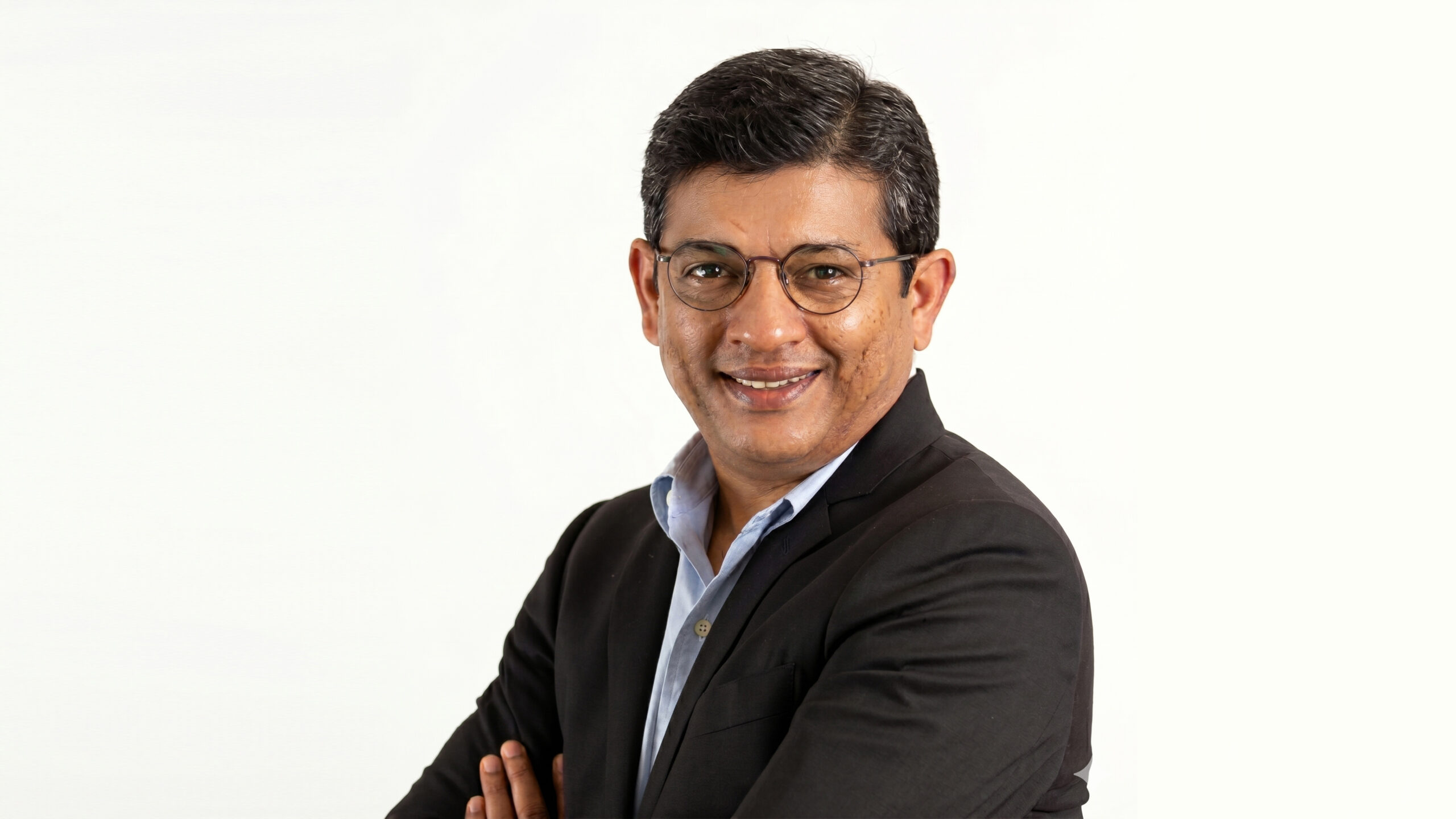
MUMBAI: In a world obsessed with what consumers say, Smytten is betting on what they actually do. The company has appointed Shishir Varma as chief executive officer of Pulseai Research, signalling a sharper push into AI-led, behaviour-driven consumer insights. The move comes as Smytten rebrands its insights vertical from Smytten PulseAI to Pulseai Research, marking a shift away from traditional, project-based research towards a more continuous, intelligence-led model.
Varma brings over 30 years of global experience across APAC markets, including India, China and Japan. Most recently managing director, Insights at Kantar Japan, he has built and scaled consumer insight businesses across geographies, including playing a key role in establishing Millward Brown in India. His mandate now: turn Pulseai into a category-defining platform in a space still dominated by surveys and static reports.
The pitch is straightforward but ambitious. Instead of relying on claimed responses, Pulseai Research taps into observed behaviour leveraging Smytten’s ecosystem of 30 million users built over a decade of product discovery, trials and purchases. The idea is to close the long-standing gap between what consumers claim and how they actually behave.
The numbers suggest early traction. In under 18 months, the platform has onboarded over 150 enterprise clients across sectors, pointing to growing demand for faster, more reliable alternatives to legacy research models.
Under the hood, the platform blends behavioural data with AI and large language model-led analysis to deliver real-time sentiment tracking, scalable qualitative insights, faster quantitative studies and always-on brand intelligence. In practical terms, that means compressing research timelines from weeks to days without sacrificing depth.
The ambition extends beyond FMCG. Pulseai Research is positioning itself as a cross-category intelligence layer, spanning auto, education, gadgets and emerging consumer segments anywhere behaviour-rich data can sharpen decision-making.
For Smytten, the leadership hire is less about optics and more about direction. With Varma at the helm, the company is leaning into a simple but powerful premise: in the age of AI, insight isn’t just about asking better questions, it’s about watching more closely.