Brands
Reliance Retail acquires Himalayan beauty brand Pahadi Local
Deal brings nature-led skincare brand into Reliance’s expanding beauty portfolio

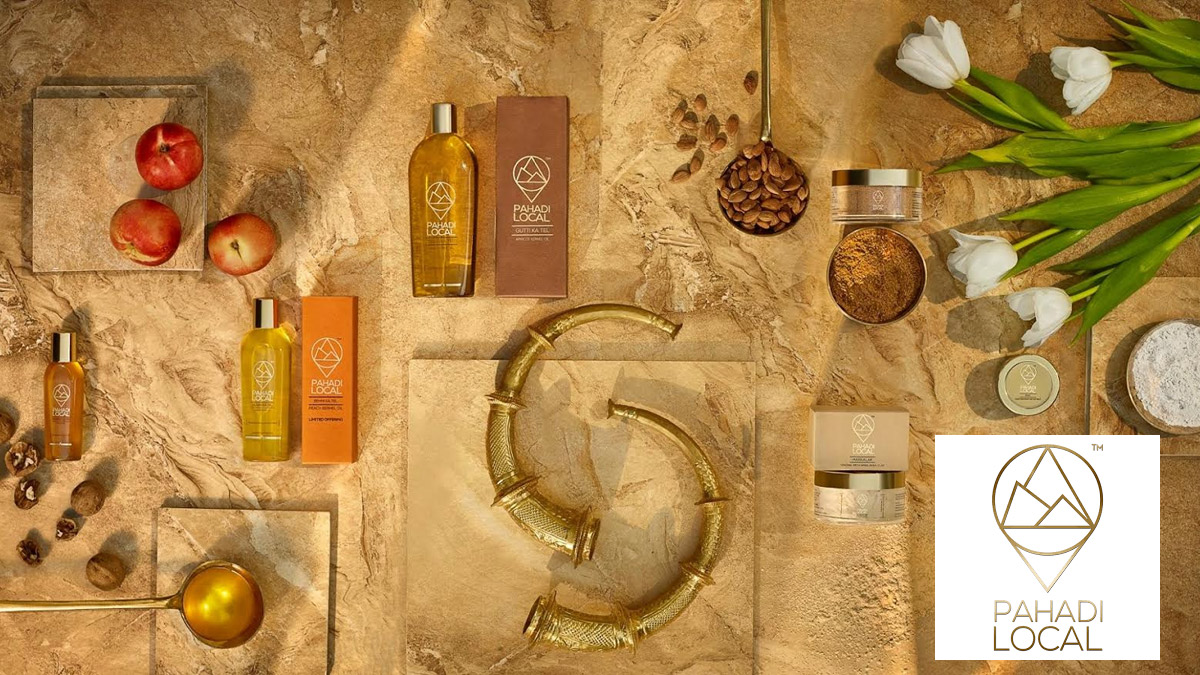
MUMBAI: Reliance Retail Limited has acquired the beauty and wellness brand Pahadi Local, along with its business, from Pahadi Goodness Private Limited, further expanding its presence in India’s fast-growing natural skincare market.
The acquisition brings a Himalayan-inspired brand into Reliance Retail’s beauty portfolio, aligning with the company’s strategy of nurturing purpose-driven Indian brands with strong storytelling and loyal consumer communities.
Founded in 2018, Pahadi Local has built a reputation for skincare and wellness products rooted in traditional Himalayan ingredients and clean formulations. The brand draws on time-honoured extraction methods and locally sourced botanicals, offering products designed to support skin health while emphasising sustainability and transparency.
Commenting on the development, Reliance Retail Ventures Limited executive director Isha Ambani, said the brand’s ethos and authenticity make it a natural fit for the group’s growing beauty ecosystem.
“At Reliance Retail, we are focused on curating brands that combine authenticity with innovation and meaningful consumer relevance. Pahadi Local’s roots in Himalayan wellness traditions and its commitment to responsible sourcing make it a compelling addition to our beauty ecosystem,” she said.
Ambani added that Reliance plans to expand the brand through its omni-channel network and experiential retail platforms while preserving the purity and identity that define Pahadi Local.
A key highlight of the brand’s portfolio is Gutti Ka Tel, or apricot kernel oil, a traditional Himalayan ingredient that has gained popularity among skincare enthusiasts. The brand has also earned recognition for working closely with women-led self-help groups in Ladakh and Himachal Pradesh, supporting local livelihoods and community initiatives in healthcare, education and environmental conservation.
Following the acquisition, the founding team of Pahadi Local will continue to guide the brand’s creative direction and product development, ensuring continuity in its philosophy and consumer promise.
Reliance Retail plans to scale the brand by expanding its presence across physical retail formats, strengthening its digital commerce footprint and accelerating product innovation.
Reliance Retail Limited operates under Reliance Retail Ventures Limited, the holding company for retail businesses within the Reliance Industries group. Through its subsidiaries and affiliates, the company runs an integrated omni-channel network of 19,979 stores and digital platforms serving more than 378 million registered customers.
With the addition of Pahadi Local, Reliance Retail continues to sharpen its focus on high-potential Indian brands across beauty, wellness, fashion and lifestyle, particularly those rooted in authenticity, sustainability and strong community connections.