Brands
Shekhar Swarup named CEO of Globus Spirits
Longtime insider steps up to lead next growth phase of liquor major

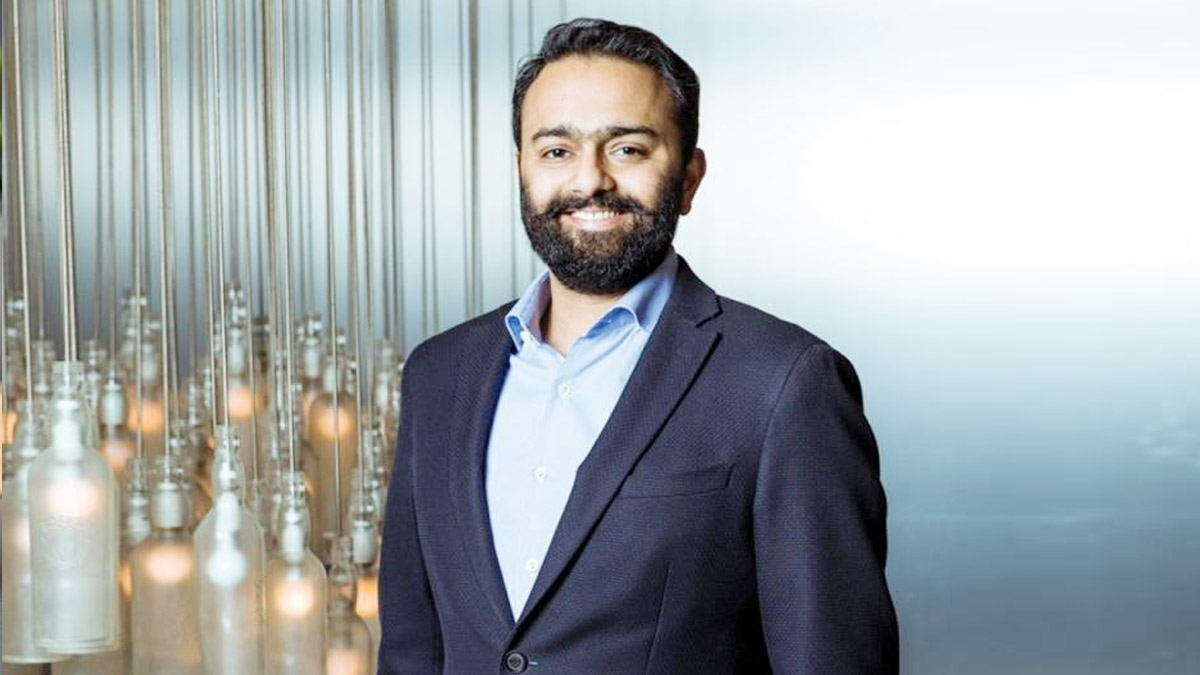
NEW DELHI: Sometimes the next chief executive is already in the room. At Globus Spirits, that person is Shekhar Swarup.
The company has named Swarup as its chief executive officer, elevating a long-time insider who has spent nearly two decades helping shape the liquor maker’s operations and growth strategy.
Swarup has been with the company for over 17 years and most recently served as joint managing director, a role he has held since 2017. During this period, he worked closely on expanding Globus Spirits’ manufacturing footprint and strengthening its consumer brands portfolio.

Before that, he served as executive director from 2011 to 2017 and earlier held an executive role at the company between 2008 and 2011.
Headquartered in New Delhi, Globus Spirits operates across the alcohol value chain, manufacturing and marketing Indian Made Indian Liquor and Indian Made Foreign Liquor while also producing bulk alcohol and offering contract bottling services to other liquor companies.
The company is one of the country’s largest manufacturers of Grain Neutral Spirit, with installed capacities of about 500 kilolitres per day across four states. It also bottles around 1.5 million nine-litre cases every month, with nearly 80 per cent coming from its own brands.
Outside the company, Swarup is the founder of India Craft Spirits Co and serves as vice president of the All India Distillers’ Association.
An alumnus of the University of Bradford, where he studied Business and Management, Swarup also completed the Owner President Management programme at Harvard Business School between 2022 and 2024.
With his elevation, the company is signalling continuity at the top, placing a seasoned hand on the wheel as it looks to build on its presence in India’s competitive spirits market.







Brands
Reliance Retail FY26 revenue rises 11.8 Per Cent to Rs 3.7 lakh crore
Q4 revenue up 11.1 Per Cent, hyperlocal orders surge 4x, PAT steady
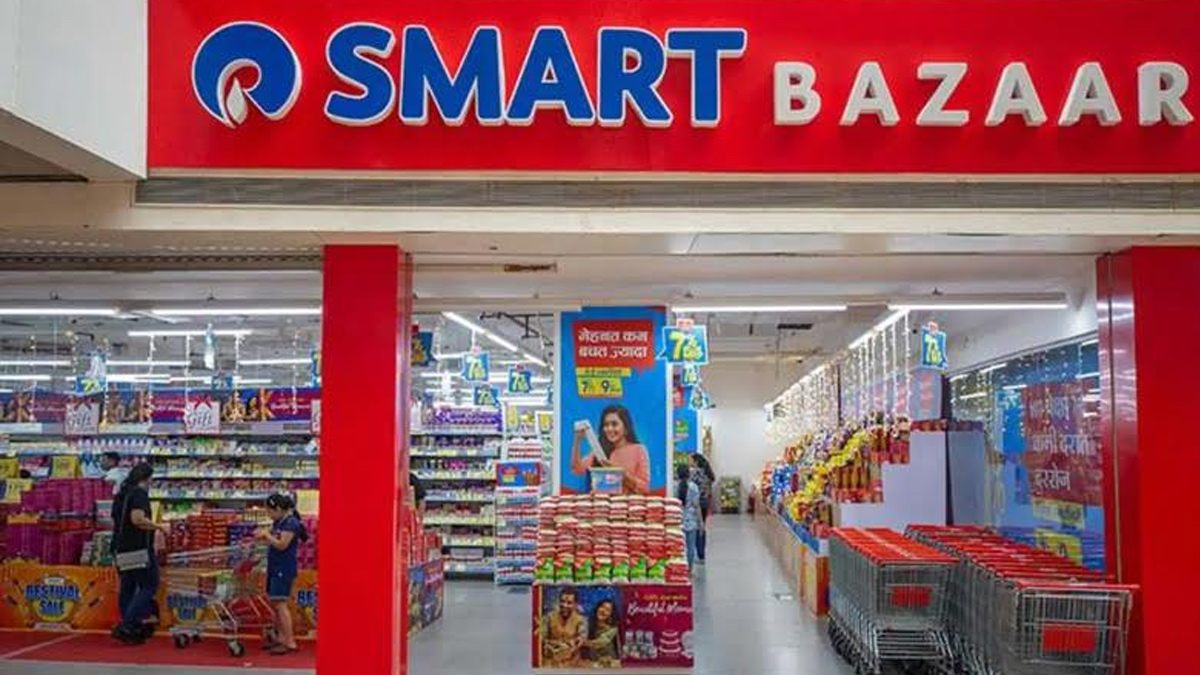
MUMBAI: Reliance Retail isn’t just ringing up sales, it’s ringing doorbells faster than ever. Reliance Retail Ventures Limited (RRVL) reported a steady FY26 performance, with growth powered by store expansion, a sharp surge in hyperlocal commerce, and consistent traction across grocery, fashion and jewellery. For the full year, revenue rose 11.8 per cent year-on-year to Rs 3,70,026 crore. In the January–March quarter, revenue from operations climbed 11.1 per cent to Rs 87,344 crore, up from Rs 78,622 crore a year earlier.
Operating performance remained stable, with Q4 EBITDA inching up 3.1 per cent YoY to Rs 6,921 crore from Rs 6,711 crore. However, quarterly profit after tax held steady at Rs 3,563 crore. For the full fiscal, PAT grew 11.7 per cent to Rs 13,842 crore.
Expansion remained a key lever. RRVL added 1,564 new stores during FY26, while simultaneously scaling its digital and hyperlocal commerce play. The latter emerged as a standout, with daily orders surging more than fourfold year-on-year in Q4, underlining a clear shift towards faster, localised fulfilment.
In grocery, large-format stores maintained momentum, aided by festive demand and the expansion of Smart Bazaar, which crossed 1,000 stores. Promotional campaigns such as ‘Full Paisa Vasool’ delivered record results, with sales rising 26 per cent YoY.
Digital commerce also picked up pace. JioMart added 5.8 million new users in Q4, nearly doubling its registered base year-on-year. Hyperlocal orders grew 29 per cent sequentially and over 300 per cent annually during the quarter.
Fashion and lifestyle saw steady traction. Ajio recorded a 23 per cent YoY rise in average bill value, while fast-fashion platform Shein crossed 11 million app installs, scaling rapidly with expanding product lines.
The jewellery business added further shine, with average bill value jumping 53 per cent YoY, largely driven by rising gold prices and sustained consumer demand.
Commenting on the shift, RRVL executive director Isha Ambani said hyperlocal commerce has become a structural growth driver, with orders rising more than fourfold over the year.
Looking ahead to FY27, the company is betting on technology to deepen engagement. The focus, Ambani noted, will be on AI-led merchandising, sharper pricing strategies and disciplined execution turning scale into sustained customer value.
In short, the carts are fuller, the clicks are quicker, and the next phase looks less about reach and more about precision.