Brands
Estée Lauder to fully acquire Indian luxury Ayurveda brand Forest Essentials
Move builds on 18-year partnership; Estée Lauder raised stake to 49 per cent in 2020

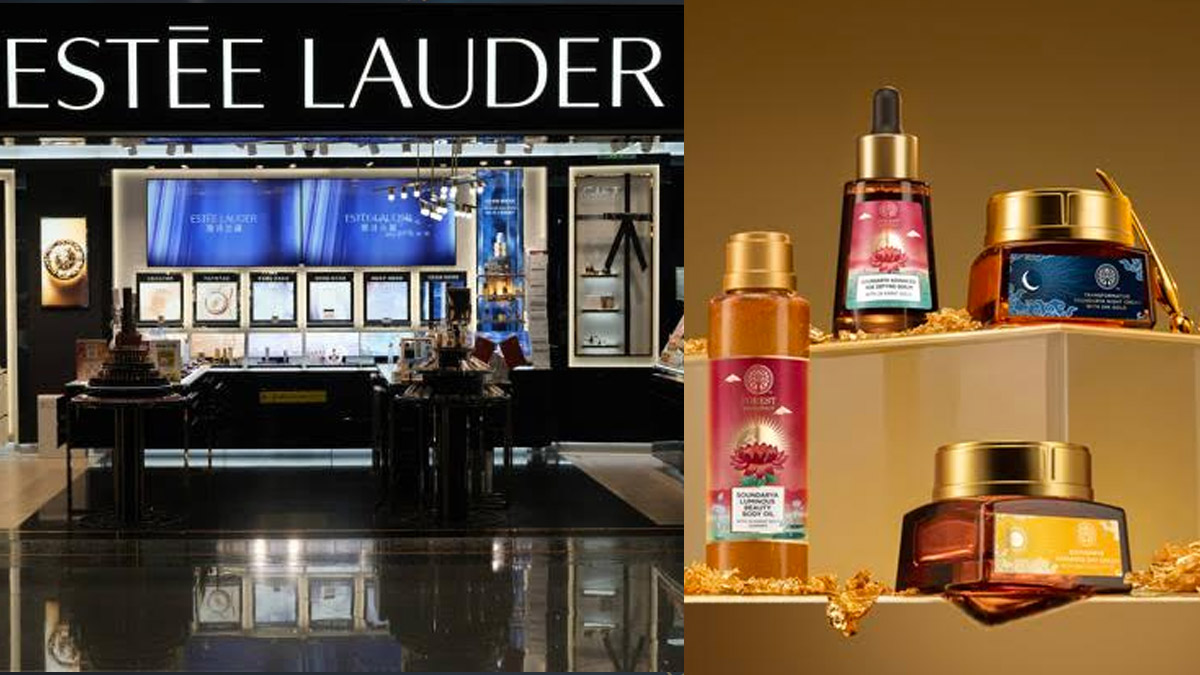
NEW YORK: The Estée Lauder Companies is moving to take full ownership of the Indian luxury skincare brand Forest Essentials, strengthening its bet on one of the world’s fastest-growing prestige beauty markets.
The US beauty giant said it has entered into an agreement to acquire the remaining stake in Forest Essentials, subject to regulatory approvals. The transaction is expected to close in the second half of 2026.
The move builds on an 18-year partnership between the two companies. Estée Lauder first invested in Forest Essentials in 2008, increasing its stake to 49 per cent in 2020.
Founded in 2000 by entrepreneur Mira Kulkarni, Forest Essentials has emerged as one of India’s leading prestige skincare brands, blending traditional Ayurvedic formulations with luxury retail experiences. The brand operates nearly 200 standalone stores and has built a reputation around what it calls “luxurious Ayurveda”.
Under the deal, Forest Essentials will remain headquartered in New Delhi, with Kulkarni continuing to lead the brand alongside her son Samrath Bedi, executive director.
The company will retain its vertically integrated operations in India, including Ayurveda-based research and development, local botanical sourcing and in-house manufacturing.
The Estée Lauder Companies president and chief executive officer Stéphane de La Faverie, said the deal marks a new phase in a long-standing partnership.
He said the company aims to strengthen Forest Essentials’ leadership in India while expanding the brand internationally through Estée Lauder’s global distribution and brand-building capabilities.
For Estée Lauder, the acquisition reflects a broader push into India’s fast-expanding prestige beauty segment. The group already sells 14 brands across skincare, makeup, fragrance and haircare in the country.
With the addition of Forest Essentials to its portfolio, the company expects India to become its largest emerging market.
Kulkarni said the partnership would help take the principles of Ayurveda to a global audience while preserving the brand’s heritage and identity.
The deal also aligns with Estée Lauder’s strategy of backing founder-led brands rooted in culture and heritage, while providing global scale.
The company has invested more than $14 million in social programmes in India, supporting initiatives in health, education and leadership through partnerships with local organisations.