ITV News
GUEST COLUMN: Why execution, not visibility, defines fit-out brands
In 2025, consistent delivery rather than marketing became the true driver of trust in fit-outs.

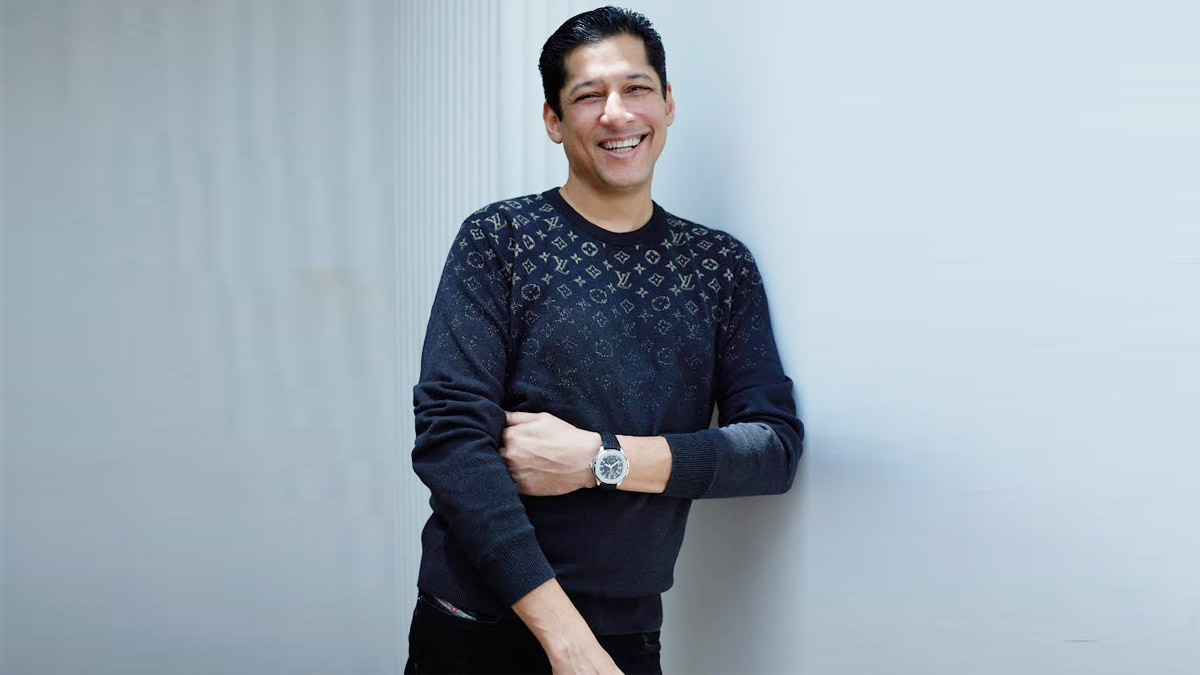
MUMBAI: Interior fit-outs operate in an environment where brand credibility is tested on-site every day. For Sammeer Pakvasa, managing director & CEO of Eleganz Interiors Limited, reputation is built on active sites where deadlines are firm and operational continuity is essential. In 2025, rising scrutiny and tighter timelines reshaped how trust was earned in execution-led industries.
In this piece, Pakvasa explains why delivery discipline became the key differentiator for fit-out firms, how consistency and resilience now define brand perception, and what 2026 will demand from organisations seeking lasting credibility.
Interior fit-outs operate in a category where brand promises are tested daily on-site. Unlike sectors where marketing narratives can precede experience, our industry works in live environments offices that must reopen on time, facilities that cannot afford downtime, and stakeholders who measure success in days saved and disruptions avoided. In 2025, this reality shaped how brand trust was built more than ever before.
What the past year made clear is that in execution-led industries, brand perception is inseparable from delivery behaviour. Clients increasingly judged organisations not by how they presented themselves, but by how consistently they performed under pressure. Timelines, safety, quality, coordination, and accountability became the true markers of credibility.
This shift reflects a wider global context. The World Economic Forum, in its work on organisational resilience, has highlighted execution capability and operational reliability as central to trust in complex systems. In built environments, where projects involve multiple vendors, regulatory dependencies, and tight schedules, resilience is not theoretical it is visible in everyday decision-making.
One of the most significant changes in 2025 was the move away from transactional brand visibility toward long-term reputation. In interior fit-outs, visibility alone has limited value. Clients remember whether handovers were smooth, whether site coordination was disciplined, and whether commitments held when conditions changed. Brand recall today is shaped less by frequency of communication and more by the quality of lived experience across the project lifecycle.
Consistency emerged as a defining differentiator. Global quality frameworks such as those established by the International Organization for Standardization (ISO) emphasise process discipline, repeatability, and accountability as foundations of trust. In fit-outs, this translates into aligned workflows across design, engineering, procurement, and execution. Clients value partners who can deliver predictable outcomes across geographies and project scales, not just one-off excellence.
Another important shift in 2025 was the rising expectation for transparency. Stakeholders no longer respond to perfection-driven narratives. They expect clarity on scope, constraints, and risk. This aligns with principles outlined by the OECD around responsible business conduct, where transparency and ethical decision-making are central to long-term credibility. In practical terms, this means communicating early, addressing issues directly, and resolving challenges without deflection.
Sustainability also became a credibility filter rather than a branding add-on. In the interiors and construction ecosystem, sustainability is now evaluated at the execution level. The World Green Building Council has consistently emphasised that responsible construction must be embedded into material selection, energy efficiency, waste management, and indoor environmental quality. In 2025, clients increasingly assessed whether sustainability practices were visible on-site, not just documented in presentations.
Storytelling within the sector evolved accordingly. The most effective narratives were grounded in process rather than aspiration. Clients responded to stories about coordination across trades, safety practices, and how teams delivered under real constraints. This mirrors broader guidance from professional bodies such as RICS, which stress that trust in the built environment is built through competence, ethics, and transparency demonstrated over time.
Looking ahead to 2026, several priorities are becoming clear for interior fit-out and design-and-build businesses.
First, differentiation will come from reliability rather than novelty. While design innovation will remain important, clients will increasingly prioritise partners who offer certainty. Predictable delivery, experienced teams, and strong governance will outweigh short-term innovation claims.
Second, brand and operations will need tighter integration. Marketing teams cannot operate independently of site realities. The strongest brand narratives will emerge from execution teams those closest to delivery. Documented processes, learnings from complex projects, and people-led stories will shape credibility more than traditional brand campaigns.
Third, experience will increasingly influence B2B decision-making. Clients will choose partners based on how collaborative they are, how clearly they communicate, and how responsibly they operate across the project journey. In this context, brand trust is built incrementally at every interaction.
Finally, trust will remain cumulative. In an industry where reputations take decades to build and can be damaged by a single failed project, brand-building must be patient and disciplined. As global governance frameworks consistently note, trust cannot be claimed; it is granted over time through consistent action.
The lesson from 2025 is straightforward. In interior fit-outs, the brand is not what is said it is what is delivered. As we move into 2026, the organisations that endure will be those that recognise this and invest as much in systems, people, and execution discipline as they do in visibility.
Note: The views expressed in this article are solely the author’s and do not necessarily reflect our own.