MAM
Hair today hit tomorrow as Nihar drops Fit Chul anthem
Marico turns Bengal beats into a hair fitness movement for Gen Z.
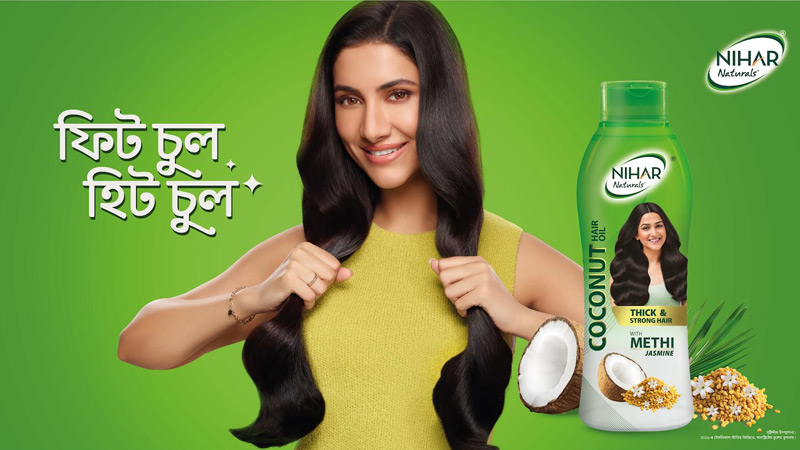
MUMBAI: When hair gets a beat, it does not just shine, it headlines. Marico Limited has struck a new note in the East, unveiling an original music track for Nihar Naturals Hair Oil under its latest digital campaign, “Fit Chul, Hit Chul”. Rooted in West Bengal’s musical legacy, the initiative blends culture, self expression and modern haircare into a reel ready movement that aims to make “hair fitness” both aspirational and shareable.
Positioned as the number one hair oil brand in the East, Nihar Naturals is leaning into regional pride and digital behaviour in equal measure. The new anthem, created with Bengal based music talents Mrinmay MS and Shreya Basu, translates the brand’s core proposition of thick, healthy hair into a high energy hook designed for short form video platforms.
The campaign will be amplified by popular influencers across West Bengal along with celebrity brand ambassador Rukmini Maitra, encouraging user generated content and social participation. The idea is simple but sharp, if music is how Bengal expresses itself, then hair care can join the chorus.
Marico Limited chief marketing officer Vikram Karwal said the brand deliberately anchored the campaign in the state’s creative DNA. He noted that music in West Bengal has always been a vehicle for emotion and identity, and that “Fit Chul, Hit Chul” translates the hair fitness proposition into a cultural language that resonates deeply with consumers. He added that the track, composed by local creators, is intended not merely as a campaign but as a movement reinforcing the belief that strong, healthy hair is built through daily care and confidence.
The campaign, conceptualised by Tonic Worldwide, is built on an insight that resonates strongly with Gen Z audiences, consumers do not just buy products, they buy into identities and communities. Rather than speaking only about functional benefits, the brand aims to turn healthy hair into social currency.
Tonic Worldwide co-founder and chief strategy officer Unmisha Bhatt said the team set out to make hair fitness culturally relevant for young adults in Bengal. By tapping into the region’s passion for music and collaborating with local creators, the agency sought to position Nihar Naturals not just as a daily essential but as a catalyst for content creation and self expression.
The music led push coincides with the rollout of Nihar Naturals’ new beauty range across general trade outlets and modern retail stores in West Bengal. The portfolio now includes three variants, Coconut Rosemary Hair Oil, Coconut Almond Hair Oil and Coconut Aloe Vera Hair Oil, each blending contemporary ingredients with the brand’s established coconut heritage.
In a market where brands increasingly compete for screen time as much as shelf space, Marico’s latest move suggests that in Bengal, the way to healthy hair may just be through a catchy chorus.

Brands
33 per cent of women believe the salary scale is rigged: Naukri report
Voices @ Work study finds rising calls for equal pay audits and lingering bias
MUMBAI: Progress may be visible in India’s workplaces, but many women still feel the need to tread carefully. A new report by Naukri reveals that one in two women hesitate to disclose marriage or maternity plans during job interviews, worried that such information could influence hiring decisions.
The findings come from the second edition of Naukri’s annual Voices @ Work International Women’s Day report, titled “What Women Professionals Want.” Drawing insights from more than 50,000 women across over 50 industries, the survey sheds light on evolving workplace aspirations alongside the biases that continue to hold women back.
One of the report’s most striking insights is the growing demand for equal pay audits. The share of women calling for regular pay parity checks has climbed to 27 per cent this year, up from 19 per cent a year ago. The demand now stands alongside menstrual leave as the most sought after workplace policy.
Interestingly, the call for pay transparency grows louder higher up the income ladder. Nearly half of women earning between Rs 50 lakh and Rs 1 crore annually say equal pay audits are a priority, suggesting that pay gaps become more visible as women move up the career ladder.
At the same time, confidence and ambition appear to be rising. About 83 per cent of women say they feel encouraged to pursue leadership roles, a significant jump from 66 per cent last year. Cities in southern India appear particularly supportive, with Hyderabad leading the way as 86 per cent of respondents there reported encouragement to step into leadership positions. The education sector recorded the highest sense of encouragement at 87 per cent.
Yet the report also highlights a growing trust deficit around pay equity. Nearly one in three women, or 33 per cent, say they do not believe men and women are paid equally at their workplace. That figure has risen from 25 per cent last year, pointing to widening perceptions of disparity as careers progress.
Bias in hiring and promotions continues to be the biggest hurdle. About 42 per cent of respondents say workplace bias is the main challenge for women from diverse backgrounds. The concern is consistent across major metros, with Chennai and Delhi NCR reporting similar levels.
Reluctance to discuss personal milestones during hiring processes is also widespread. While 34 per cent overall said they hesitate to share marriage or maternity plans in interviews, the anxiety increases with experience. Among professionals with 10 to 15 years of work experience, the figure rises to 40 per cent.
Info Edge group CMO Sumeet Singh, said the data reflects both progress and unfinished work. “Behind every data point in this report is a woman who is ambitious. The fact that 83 per cent feel encouraged to lead is something to celebrate. However, the fact that one in two still hide their marriage or maternity plans in interviews tells us the work is far from done. As India’s leading career platform, it felt not just important but necessary for us to shine a light on these gaps through the second edition of our report,” he said.
The report suggests that while ambition among women professionals is growing, structural changes around pay transparency, fair hiring and supportive policies will be key if workplaces hope to keep pace.