MAM
DDB Mudra & WARC launch India’s first strategy evening

MUMBAI: Advertising is all about creativity, but strategy is what keeps it on course. In an industry first, DDB Mudra Group has partnered with WARC to host Portfolio Evening: Strategy Edition in Mumbai on 26 November 2025, offering young strategists a chance to shine.
Open to professionals with zero to five years of experience, the event invites participants to present their work in 20-minute sessions before a jury of India’s leading strategy experts. Registrations are open until 15 November, and applicants must submit two pieces of work from their portfolio or developed in response to briefs, demonstrating their ability to spot consumer insights, define problems, and craft strategic recommendations.
The evening promises direct feedback from some of the country’s most respected strategic minds, including Sideways Consulting former CSO Aditi Patwardhan; Leo CEO – South Asia Amitesh Rao; TBWA India CSO Anirban Mozumdar; and DDB Mudra Group president and managing partner – growth and strategy Menaka Menon, among others.

The winner will receive exclusive access to WARC’s coveted thought leadership series, Creative Impact Unpacked from Cannes, taking the learning beyond the competition. The evening will also mark the launch of WARC’s Future of Strategy 2025 report in India for the first time. The report maps the evolving role of strategic planning in an AI-driven, rapidly fragmenting media landscape, offering key insights shaping global agency practices.
This inaugural event aims to nurture the next generation of strategy talent, connecting them with industry leaders while showcasing how sharp thinking can transform ideas into impactful campaigns. With creativity in the spotlight and strategy taking centre stage, this is one evening Mumbai’s advertising world will not want to miss.






MAM
Raghu Rai passes away at 83, leaves behind iconic legacy
Padma Shri-winning photographer documented history across 5 decades.
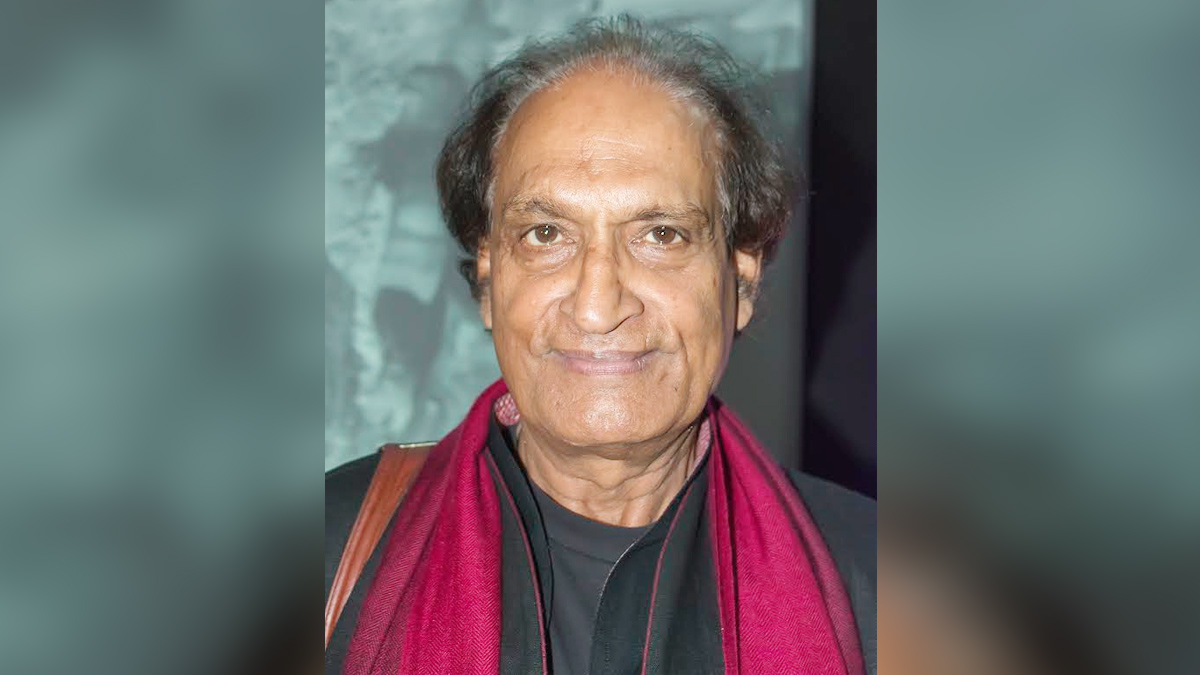
MUMBAI: The lens may have stilled, but the stories it captured will never fade. Raghu Rai, one of India’s most celebrated photojournalists, passed away on April 26, 2026, at the age of 83. He breathed his last at a private hospital in New Delhi after battling cancer and age-related health issues.
His son, Nitin Rai, revealed that Rai had been diagnosed with prostate cancer two years ago, which later spread to the stomach and, more recently, the brain. Despite multiple rounds of treatment, his health had declined in recent months.
Born in 1942 in Jhang, Punjab (now in Pakistan), Rai entered photography in his early twenties, inspired by his elder brother, photographer S. Paul. Beginning his career in the mid-1960s, he went on to build a body of work that spanned more than five decades, contributing to global publications such as Time, Life, GEO, Le Figaro, The New York Times, Vogue, GQ and Marie Claire.
His global recognition took a decisive leap in 1977 when legendary French photographer Henri Cartier-Bresson nominated him to join Magnum Photos, placing him among the world’s most respected visual storytellers.
Rai’s lens chronicled both power and poignancy. He photographed towering figures such as Indira Gandhi, Dalai Lama, Bal Thackeray, Satyajit Ray and Mother Teresa, while also documenting defining moments like the Bhopal gas tragedy later captured in his book Exposure: A Corporate Crime.
Over the years, he published more than 18 books, building an archive that blended journalism with artistry. His contributions were recognised early when he was awarded the Padma Shri in 1972 for his coverage of the Bangladesh War and refugee crisis. In 1992, he was named “Photographer of the Year” in the United States for his work in National Geographic, and in 2009, he was honoured with the Officier des Arts et des Lettres by the French government.
Rai is survived by his wife Gurmeet, son Nitin, and daughters Lagan, Avani and Purvai. His last rites will be held at Lodhi Cremation Ground in New Delhi at 4 pm on Sunday.
With his passing, Indian photojournalism loses not just a pioneer, but a patient observer of history, one frame at a time.