Brands
Fabelle cracks the code with luxe Kunafa chocolates in India

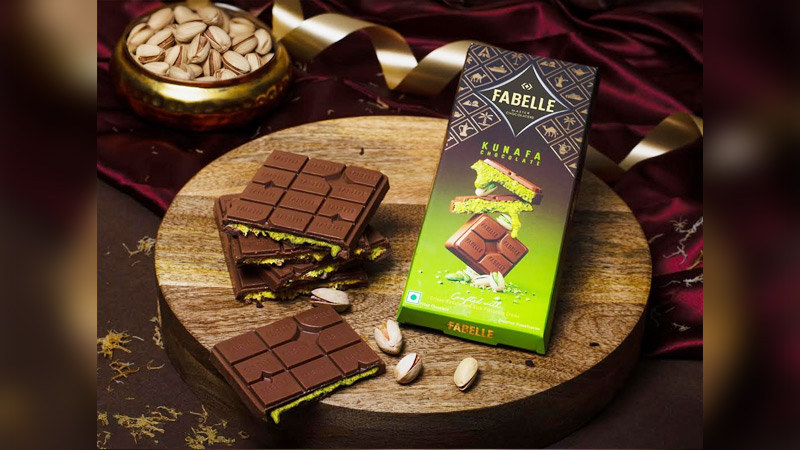
MUMBAI: If dessert trends had a passport, Kunafa would be the global jet-setter of 2025 and now, Fabelle Exquisite Chocolates has decided to give it a five-star upgrade. Riding the wave of the world’s obsession with crackling kataifi, silky pistachio crème, and molten chocolate, ITC’s homegrown luxury brand has unveiled the Fabelle Kunafa Chocolate Collection, turning a viral sensation into a confectionery masterclass.
While Kunafa chocolate has been swirling through reels and TikToks globally, Fabelle’s Master Chocolatiers took the trend off the timeline and into the test kitchen quite literally. The team spent months inside Dubai’s patisseries, studying everything from how kataifi breaks to how pistachio crème behaves under different temperatures. Then came the flavour science: deep-diving into nut–chocolate pairings, texture calibrations, and taste harmony to bring India a version of Kunafa that isn’t just indulgent, but intensely crafted.
The result is a three-variant multisensorial collection that reimagines Kunafa with Fabelle’s trademark finesse:

• Milk Pistachio Kunafa Chocolate
A creamy blend of pistachio crème, delicate golden Kunafa strands, and the gentle nuttiness of slow-roasted pistachios, a nostalgic, melt-in-the-mouth experience.
• Pistachio Dark Chocolate Kunafa (64 per cent cocoa)
A richer, deeper take featuring dark chocolate’s intensity layered with smooth pistachio crème and crisp Kunafa textures.
• Pecan Dark Chocolate Kunafa (64 per cent cocoa)
A pioneering twist: buttery roasted pecans meet dark chocolate and Kunafa strands to create a bold yet balanced flavour profile, a first-of-its-kind Indian interpretation that adds a new dimension of luxury.
In fact, the pecan variant marks a notable leap in taste innovation for the Indian market, expanding the Kunafa trend beyond the expected pistachio territory.
Speaking about the collection ITC Limited vice President and head of marketing for chocolates and coffee & confectionery for foods division Anuj Bansal, said the global craze offered an opportunity “not just to follow the trend but to elevate it through months of dedicated research and craftsmanship.” He added that combining insights from Dubai’s finest patisseries with advanced flavour science allowed Fabelle to create “three distinct sensorial experiences from the creamy nostalgia of Milk Pistachio to the bold roasted depth of the novel Dark Pecan Kunafa Chocolate.”
Beyond the kitchens, the brand is ensuring the Kunafa experience travels far and wide. The collection will be available across Fabelle boutiques in Mumbai, Bengaluru, Chennai, Hyderabad, Ahmedabad, Delhi, Amritsar, and Kolkata, as well as digitally via Fabelle.in, Swiggy, and Zomato.
With this launch, Fabelle hasn’t merely joined the Kunafa trend, it has raised the bar, plated it with gold, and served it with a distinctly Indian touch of craftsmanship. In a dessert world full of imitations, this one arrives with a signature crackle.







Brands
Lululemon picks former Nike executive to be its next chief
Heidi O’Neill, who helped grow Nike into a $45 billion giant, will take the top job in September

CANADA: Lululemon has found its next chief executive, and she comes with serious credentials. The athleisure giant named Heidi O’Neill as its new CEO on Wednesday, ending a search that has left the company running on interim leadership since earlier this year. O’Neill will take charge on September 8, 2026, based out of Vancouver, and will join the board on the same day.
O’Neill brings more than three decades of experience across performance apparel, footwear and sport. The bulk of that time was spent at Nike, where she was a central figure in one of corporate sport’s great growth stories, helping take the company from a $9 billion business to a $45 billion global powerhouse. She oversaw product pipelines, brand strategy and consumer connections, and played a significant role in shaping how Nike spoke to athletes around the world. Earlier in her career, she worked in marketing for the Dockers brand at Levi Strauss. She also brings boardroom experience from Spotify Technology, Hyatt Hotels and Lithia and Driveway.
The board was unequivocal in its enthusiasm. “We selected Heidi because of the breadth of her experience, her demonstrated success delivering breakthrough ideas and initiatives at scale, and her ability to be a knowledgeable change and growth agent,” said Marti Morfitt, executive chair of Lululemon’s board.
O’Neill, for her part, was bullish. “Lululemon is an iconic brand with something rare: genuine guest love, a product ethos rooted in innovation, and a global platform still in the early stages of its potential,” she said. “My job will be to accelerate product breakthroughs, deepen the brand’s cultural relevance, and unlock growth in markets around the world.”
Until she arrives, Meghan Frank and André Maestrini will continue as interim co-CEOs, before returning to their previous senior leadership roles once O’Neill steps in.
Lululemon is betting that a Nike veteran who helped build one of the world’s most powerful sports brands can do something similar for an athleisure label that has genuine love from its customers but is still chasing its full global potential. O’Neill has done it before at scale. The question now is whether she can do it again.