Digital
India launches its first AI industry body

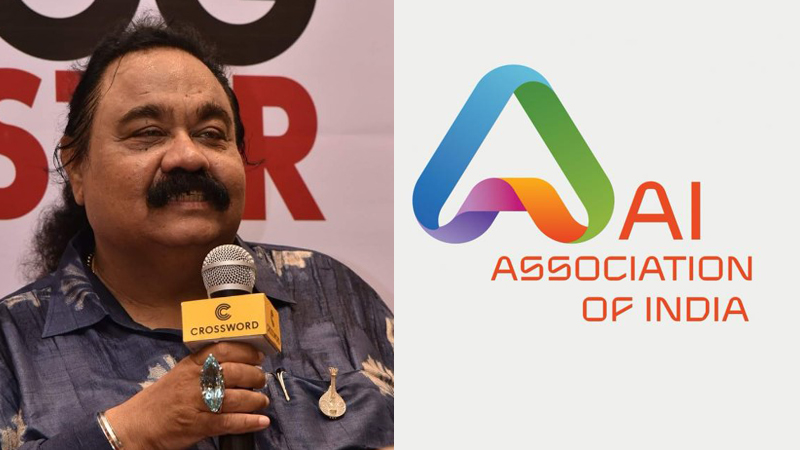
MUMBAI: India just gave artificial intelligence its own rules of engagement. The Artificial Intelligence Association of India (AIAI) has officially launched as the country’s first dedicated industry body for AI, aiming to steer the ethical, inclusive and innovation-driven growth of artificial intelligence across India’s creative and technology sectors. Think of it as a referee, coach and cheerleader all rolled into one, making sure AI plays fair whilst helping India score big.
Led by National Convenor Sandeep Goyal, AIAI arrives at a pivotal moment when India’s AI ecosystem is expanding rapidly but operating without formal guardrails. The association will bring together technologists, creators, legal experts, educators and industry stakeholders spanning advertising, design, film, music, gaming, publishing and emerging tech sectors.
“AI is no longer the future. It is the now,” Goyal said. “And India cannot afford to be a passive consumer in this revolution. With AIAI, we are building the ethical and institutional guardrails that ensure India’s creative industries not only thrive with AI, but do so on their own terms.”
The association has outlined five key objectives for responsible AI adoption:
Policy and advocacy: AIAI will represent creative industries in AI consultations with MeitY, DPIIT and Niti Aayog, giving creatives a seat at the policy table.
Ethical standards: The body will develop certification frameworks for ethical AI practices across advertising, film, music and design.
Skilling and inclusion: AIAI aims to train over 10,000 creative professionals in AI tools and workflows by 2026.
Research and development: The association will incubate India-focused AI tools for content creation, translation, personalisation and storytelling.
Creative IP protection: AIAI will lead efforts to safeguard artist attribution, combat deepfakes and evolve copyright rules for AI-generated content.
AIAI plans to establish “ethical sandboxes” for testing AI use cases and a national AI incident registry to track challenges such as bias, misinformation, deepfake misuse and copyright concerns. It’s basically building a playground where AI can experiment safely whilst someone watches to make sure nobody gets hurt.
“Creative AI isn’t just a technology story,” Goyal emphasised. “It’s a story about what kind of country we want to be, how we preserve language, culture, livelihoods and imagination in a time of machines. This is India’s moment to lead, not follow. And AIAI will make sure we do.”
The governing board, set to include senior leaders from major corporations and multiple creative domains, will be announced shortly. For now, India’s AI revolution has found its institutional voice, and it’s speaking with one clear message: India won’t just adopt AI. It will shape it.