MAM
Touchstone LC picks Team Pumpkin to power its India digital push


MUMBAI: Touchstone LC has tapped Team Pumpkin to steer its digital and performance marketing in India, marking a fresh chapter in the learning solutions company’s growth playbook.
Announced on 9 December, the partnership places Team Pumpkin in charge of sharpening Touchstone LC’s online presence through targeted campaigns, data-led insights and conversion-focused strategies. The mandate spans paid media, audience activation, campaign management and continuous ROI optimisation, with a clear goal of helping the brand connect with HR leaders, L&D heads and business decision makers across sectors such as healthcare, BFSI, manufacturing and enterprise.
Touchstone LC, a global specialist in multilingual learning and development for regulated industries, aims to widen its footprint in compliance, onboarding and workforce capability. The company brings expertise in analytics-driven learning, AR and VR content and microlearning models across more than 60 languages.

Touchstone LC EVP for learning products and Asia Pacific Sales Vinod Chithambaran, said the tie-up will help the brand accelerate its mission of future-proofing organisational talent. He noted that Team Pumpkin’s blend of creativity, data discipline and industry understanding makes them well suited to drive Touchstone’s next phase of expansion.
Team Pumpkin co-founder Swati Nathani called Touchstone LC a category shaper in digital learning and said the agency is keen to deliver measurable outcomes while deepening the brand’s presence among enterprise clients seeking impactful L&D solutions.
Founded in 2012, Team Pumpkin has built a reputation for ROI-focused digital marketing and will lead the Touchstone LC account from its Gurugram office.




MAM
Lessons from global media markets on building enduring content franchises
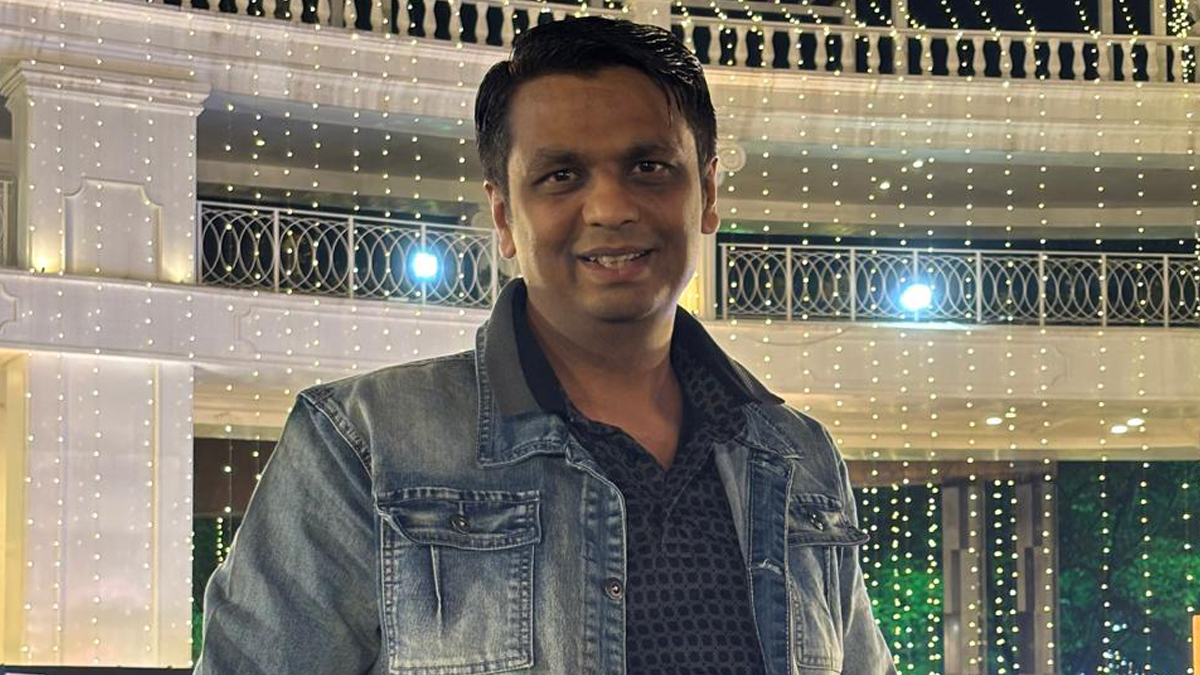
Rose Audio Visuals COO and CFO Mitesh Patel.
MUMBAI: The global media landscape has undergone a fundamental shift. Success today is no longer defined by a single hit show. It is defined by the ability to build intellectual property (IP) that travels, evolves, and compounds over time.
At Rose Audio Visuals, this shift is central to how we think about content pitching and creation. We are no longer in the business of just making shows. We are in the business of building IP ecosystems.
From Hits to Franchises
Globally, the most successful content is designed to extend beyond its first outing. It travels across: Seasons, Platforms (TV → OTT → Digital), Formats (series → spin-offs) Shows like Stranger Things and Money Heist are not just successful series they are multi-layered franchises with global recall, fan engagement, and long-term monetisation. The key learning is simple: If content cannot scale beyond one season or one platform, it remains a project not a franchise.
Local Stories, Global Impact
One of the most powerful global trends is the rise of culturally rooted storytelling. Platforms today reward local authenticity combined with universal emotion. Stories that are deeply regional are no longer limited by geography they are amplified by it. Consider the global impact of Squid Game or India’s own Sacred Games. The takeaway is clear: The more authentic the story, the greater its potential to travel if the emotion resonates universally.
Monetisation Begins After the First Window
A critical global learning is that the true value of content is not realised at launch, it is realised over time.
Strong franchises unlock multiple revenue streams: Licensing, International remakes, Brand integrations, Digital extensions , Events and immersive experiences
Global players like The Walt Disney Company have mastered this approach, turning content into long-term ecosystems that extend far beyond the screen.
The first window is just the beginning. The real value lies in what follows.
At Rose Audio Visuals, we increasingly evaluate projects not just on commissioning value, but on their long-term franchise potential.
The Rise of Creator-Led Franchises
An important global shift is the emergence of creator-led IP ecosystems.
Creators today are not just content producers they are building full-scale franchises across platforms, formats, and businesses.
A powerful example is MrBeast. What started as YouTube videos has evolved into: Multiple content formats, Global audience scale , Brand extensions and businesses, High-impact experiential content This is a fundamentally different model digital-first, audience-owned, and infinitely scalable.
This model is still in its early stages in Indian but it represents a massive opportunity.
The next wave of Indian content franchises may not come from traditional studios alone but from creators who think like media companies.
Balancing Data with Creative Instinct
Streaming platforms today are deeply data-driven. Data helps Identify emerging genres, Predict audience behaviour , Inform commissioning decisions However, global experience shows that data alone does not create hits. Data informs scale, but storytelling creates impact.
Talent is the Foundation of Franchises
Enduring franchises are rarely accidental they are built through long-term creative partnerships. Globally, there is a clear focus on nurturing Actors, Writter, Show runner and director. Franchises are not built on scripts alone they are built on creators. This is an area where we continue to invest deeply building long-term relationships with talent rather than project-based collaborations.
Multi-Platform Thinking from Day One
Content consumption today is inherently multi-platform. A successful show must be designed not just for its primary platform, but for: Short-form extensions, Social media amplification, Digital-first engagement. Every show today needs a second life beyond its original format.
India: A Market at an Inflection Point
India today stands at a unique moment in its content journey.
We are seeing significant opportunity in Regional markets (Telugu, Tamil, Marathi and others) Emerging formats such as micro-dramas, Scalable, franchise-driven fiction IP
India does not lack stories. What we have historically lacked is structured franchise thinking something that is now beginning to evolve.
The Way Forward
The biggest lesson from global markets is this: The future belongs to companies that do not chase hits, but systematically build franchises. Because while hits may deliver immediate success, franchises create long-term value, recall, and compounding growth.
At Rose Audio Visuals, this belief shapes how we develop, greenlight, and scale content across platforms.
For content companies today, the question is no longer “Will this show work?” It is: “Can this become a franchise?”
A Personal Note
Having worked across content, business, and strategy, one thing has become increasingly clear to me, the most valuable companies in our industry will not be those that create the most content, but those that create content that endures.
Building a franchise requires patience, conviction, and a long-term lens something that the industry is only now beginning to fully embrace.As we continue this journey at Rose Audio Visuals, our focus remains simple: to move from volume-driven creation to value-driven storytelling. Because in the end, stories may start conversations but franchises build legacies.







