Brands
“Anayah Jewellery acknowledges the importance of self-expression and cultural relevance”: Anayah Jewellery’s Nilofer Jaques

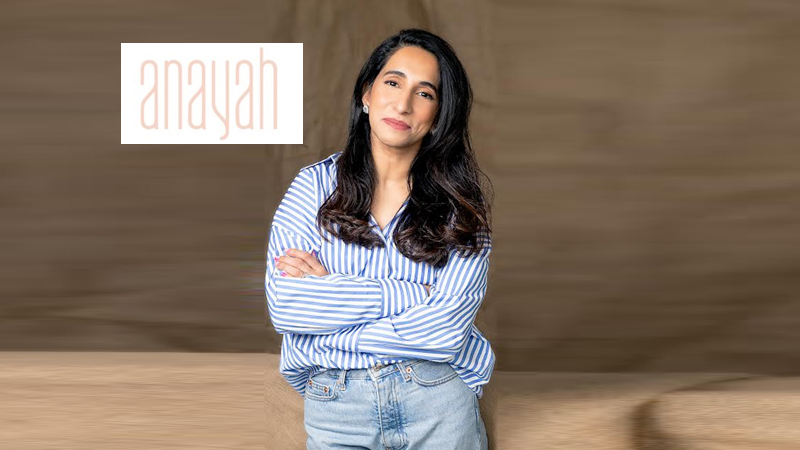
Mumbai: Jewellery, in today’s times, is not just a matter of status, class and pride but also a reflection of one’s personality.
Anayah Jewellery, a contemporary and celebratory brand, masterfully weaves timeless costume jewels that effortlessly reflect your unique personality. Drawing inspiration from India’s rich heritage, each handcrafted piece exudes opulence for the modern woman. Embracing femininity with freedom, Anayah empowers women in their diverse roles. Renowned for its bespoke options, brides and women can infuse their personal touch, forging a special connection. With a delightful array of colors, Anayah’s collection suits extravagant, traditional, or playful moods. Celebrities, influencers, and bloggers worldwide, from India to the UK, UAE, and USA, are enchanted by its unparalleled allure.
In an email interaction with Indiantelevision.com, Anayah Jewellery founder Nilofer Jaques chats about the brand’s evolution, its USP, embracing the concept of men’s jewellery, the international market, and more.
Jaques, a former investment banker with a stellar track record of success, showcases her passion for jewellery through her brainchild, Anayah Jewellery. Inspired by her father’s inspirational journey, she embarked on a path that blended her early fascination with the allure of jewellery, inherited from her mother’s adornments, with her own ascent into the world of high finance and fashion. Jaques’ perfectionist nature and unwavering commitment to her craft shine through Anayah’s exquisite creations, artfully combining timeless femininity with a contemporary touch, capturing the essence of every era. Her designs elegantly convey unspoken statements, allowing women to make a captivating entrance without uttering a single word.
Edited excerpts:
On the journey of Anayah, and its evolution story
My journey in the business world, ignited by a passion for fashion and creativity, began with a fashion design diploma. Equipped with skills, Anayah emerged as I designed my own engagement ring, sparking a passion for unique jewellery. Positive feedback from designing for friends fuelled my pursuit while working at a bank. Planning my wedding highlighted a gap in affordable South Asian bridal jewellery in the UK. Anayah was born, offering stylish, affordable jewellery that blends tradition with contemporary flair, meeting the needs of modern brides. This leap turned my passion into a thriving business.
On the brand’s USP
Anayah distinguishes itself with its emphasis on quality, limited quantity designs for a unique touch, a deep connection to its cultural roots and a customer-centric approach that puts clients first. This commitment to uniqueness, quality, and customer satisfaction sets us apart in the Indian and international jewellery market.
On the target group that that brand caters to, in India and abroad
In India and abroad, Anayah targets a diverse audience of modern, fashion-conscious individuals inclined towards cultural celebrations and events. Psychographically, they value unique, stylish jewellery that reflects their personal tastes, appreciate craftsmanship, and seek products with a blend of tradition and contemporary design. This audience embraces individuality and is socially conscious, valuing brands that prioritize quality and sustainability.

On Anayah’s journey from online to offline in India, the UK and other countries
Anayah transitioned from online success to establishing a presence offline in key markets like India and the UK. By engaging with customers through multi designer stores and pop-up events, the brand has expanded its reach and provided a tactile experience.
On the robust target markets for Anayah in India and abroad
In India, Anayah aims to capture the strong target markets of metropolitan cities. Internationally, the brand seeks to thrive in countries with a significant South Asian diaspora. Regions that offer a substantial market of individuals who value cultural traditions while embracing contemporary trends, aligning well with Anayah’s unique and stylish jewellery offerings.
On retail expansion
Anayah envisions a multi-faceted retail approach, including a combination of online platforms, standalone boutiques, and participation in curated marketplaces. This strategy aims to cater to various customer preferences.
On the advertising and marketing strategy for the brand in the Indian market and internationally too
Anayah employs a holistic marketing strategy that encompasses digital platforms, social media, influencer collaborations, and storytelling to resonate with its audience. This approach is tailored for both the Indian market and international audiences.

On identifying the need for grooming men through its masterpieces of men’s collection
Anayah Jewellery identifies the demand for grooming men by observing evolving fashion trends, societal shifts, and increased interest in accessories. Through market research and customer feedback, the brand recognizes the desire for stylish, individualized pieces. The men’s collection is curated with contemporary designs and high-quality materials to align with modern men’s preferences. Anayah Jewellery acknowledges the importance of self-expression and cultural relevance, offering accessories that enhance men’s grooming routines and reflect their unique style.
On India and other countries embracing the concept of men’s jewellery
India and other countries are increasingly embracing the concept of men’s jewellery as a reflection of evolving fashion attitudes. In India, where traditional jewellery has deep cultural significance, there’s a growing acceptance of contemporary pieces that blend tradition with modernity. Internationally, countries with diverse fashion scenes are seeing a rise in men incorporating accessories to express personal style, reflecting a broader shift toward gender-neutral fashion. This trend underscores a cultural shift toward individuality and self-expression, allowing men to embrace jewellery as a key component of their overall fashion choices.
On Anayah embarking on the celebrity and influencer journey in India and internationally
Anayah is strategically aligning with celebrities and influencers to amplify its brand presence. Such endorsements provide a wider reach and lend credibility, helping the brand establish a strong foothold.

On the Indian jewellery market being different from or similar to the international jewellery market
The Indian jewellery market holds rich cultural significance, often prioritizing traditional designs. Internationally, trends lean toward modern aesthetics and a greater emphasis on individualism, yet both markets share a growing appreciation for unique craftsmanship.
On the upcoming trends and innovations expected to disrupt the Indian and international jewellery market
Coloured stones are a big trend this season, especially emeralds, which I think are here to stay. Also, pearls have become a popular choice among fashion-conscious individuals. They are versatile, sophisticated and can instantly elevate your look.
In terms of innovations, Augmented Reality (AR) Shopping: Integration of AR in online shopping, allows customers to virtually try on jewellery and visualise how pieces would look before purchasing, enhancing the digital shopping experience.
On your vision and way forward for Anayah
Anayah’s vision is to become a global symbol of cultural heritage and contemporary elegance. The brand aims to continuously innovate, expand its international footprint, and create jewellery that resonates with diverse audiences.






