MAM
TiVo, Nielsen Media Research join hands


MUMBAI: Television recording technology company TiVo has signed a deal with TV ratings agency Nielsen Media Research which will develop a service that tracks digital video recorder users’ habits.
TiVo says Nielsen will pay a licensing fee to it, although no finacial agreements have been made public. The two companies will provide information on DVR use and viewing patterns to clients in the television and advertising industry using a sample of TiVo’s more than one million subscribers, say reports.
TiVo technology enables digital video recorders which are set-top boxes with built-in hard disk drives that allow users to save more than 40 hours of TV programming for later use. TiVo also enables users to pause live TV and immediately replay a selected scene.

TiVo president Marty Yudkovitz says its system, which can track second-by-second activity of TV viewers, can give industry clients more detail about the shows and advertisements that are watched and at what point viewers turn away from a show or ad.
The DVR data will also be able to measure the activity of users who record a show at the same time they are watching another.
The deal is likely to benefit Nielsen, the major player in TV viewing data services to counter recent criticism about its method of measuring ratings, which has shown a significant decline in young male viewers, a segmetn coveted by marketers.




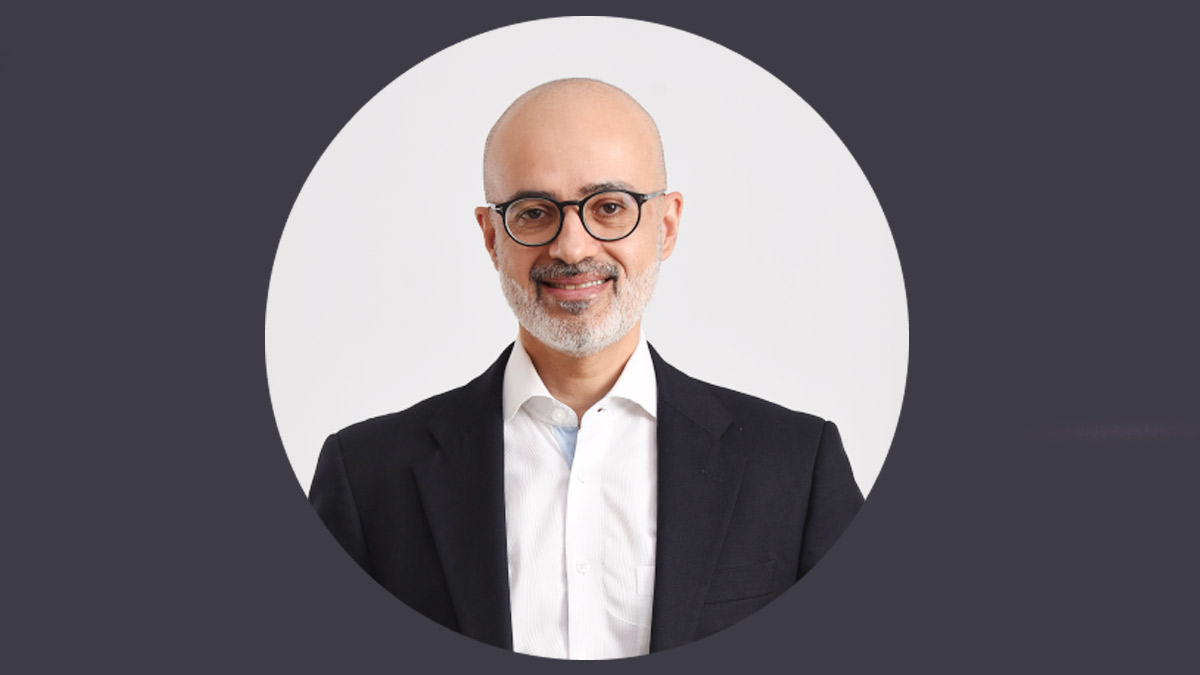
MUMBAI: In India’s fast-moving payments race, Visa has just swiped in a new leader. The company has named Suresh Sethi as its India country head, marking a key leadership shift as it sharpens its focus on digital payments growth in the market. Sethi steps into the role following his recent exit from Protean eGov Technologies, where he served as chief executive officer. He succeeds Sandeep Ghosh, who has moved on after more than four years at Visa to pursue an external opportunity.
The appointment comes at a time when Visa is doubling down on its expansion strategy across India and the wider region, deepening partnerships and accelerating adoption in an increasingly competitive digital payments ecosystem.
Sethi brings with him a broad, cross-market perspective shaped by decades of experience across corporate banking, retail financial services, mobile money and large-scale government technology initiatives. He began his career at Citigroup, where he spent 14 years working across India, Africa, South America and the United States, focusing on transaction banking services within the corporate bank.
His appointment signals a blend of institutional experience and market familiarity qualities that could prove critical as Visa navigates a landscape where fintech innovation, regulatory evolution and consumer adoption are all accelerating at once.
As digital payments in India continue to scale rapidly, the leadership change underscores a simple reality, in a market where every tap, scan and swipe counts, who leads the charge can matter just as much as the technology itself.







