MAM
US Ad Council’s PSAs seek to prevent online sexual exploitation of girls

MUMBAI: The Advertising Council, in partnership with the National Center for Missing & Exploited Children (NCMEC) in the US have launched a series of public service advertisements (PSAs).
The PSAs have been designed to raise awareness about the prevalence of online sexual exploitation and to help teenage girls better protect themselves against online sexual predators. The new PSAs are the second instalment of the campaign, which began in May 2004 and the debut this month was timed to coincide with Internet Safety Month.
NCMEC and the Ad Council launched the campaign to remind families that, just like in the “real” world, there are people who want to harm children in the “virtual” world. With the advent of the Internet, many child-predators have quickly adapted to the technology and use it to contact potential victims in their attempts to perpetrate crimes against children.

According to a US Department of Justice study, of the estimated 24 million child Internet-users, one in five has received unwanted sexual solicitations. Teen girls are the primary target, receiving two-thirds of the solicitations. NCMEC cases and focus group testing also show that many teen girls are particularly susceptible to these predators because they tend to be more focused on relationships.
The new PSAs are an extension of the first multi-media campaign in the US designed to address this issue. The initial round of PSAs aimed to educate parents about what they could do to protect their children online, whereas the new ads target the teens themselves. The new PSAs seek to prevent girls from forming inappropriate online relationships with older men in an effort to reduce their risks of sexual exploitation and abduction. The television, radio, magazine and Internet ads direct teens to visit www.cybertipline.com to get tips on how to prevent, detect, and report online sexual exploitation.
In the first six months of the Online Sexual Exploitation campaign, the parent-targeted PSAs have received more than $29 million in donated advertising time and space from the media. In addition, according to a recent Ad Council study, parents who saw the PSAs were significantly more likely to have talked to their children about the potential dangers of chatting online with people you don’t know.
The new television and radio spots, which are also available in Spanish show teen girls how easily a predator can manipulate their insecurities and end with the tagline Don’t Believe the Type.
As per the Ad Council model, the PSAs are beinh distributed to more than 28,000 media outlets across the US later this month and will run and air in advertising time and space donated by the media. NCMEC president Ernie Allen says, “Our goal is to reach teens before predators do. The Ad Council campaign has proven successful in reaching adults, and we hope that our message will carry over to teen girls to help them identify, prevent and report sexual exploitation they encounter while online.”

MAM
Sunrise Spices hosts four day Bihu cultural showcase in Assam
56 groups perform across five tribal dance forms at April 14 to 17 event.
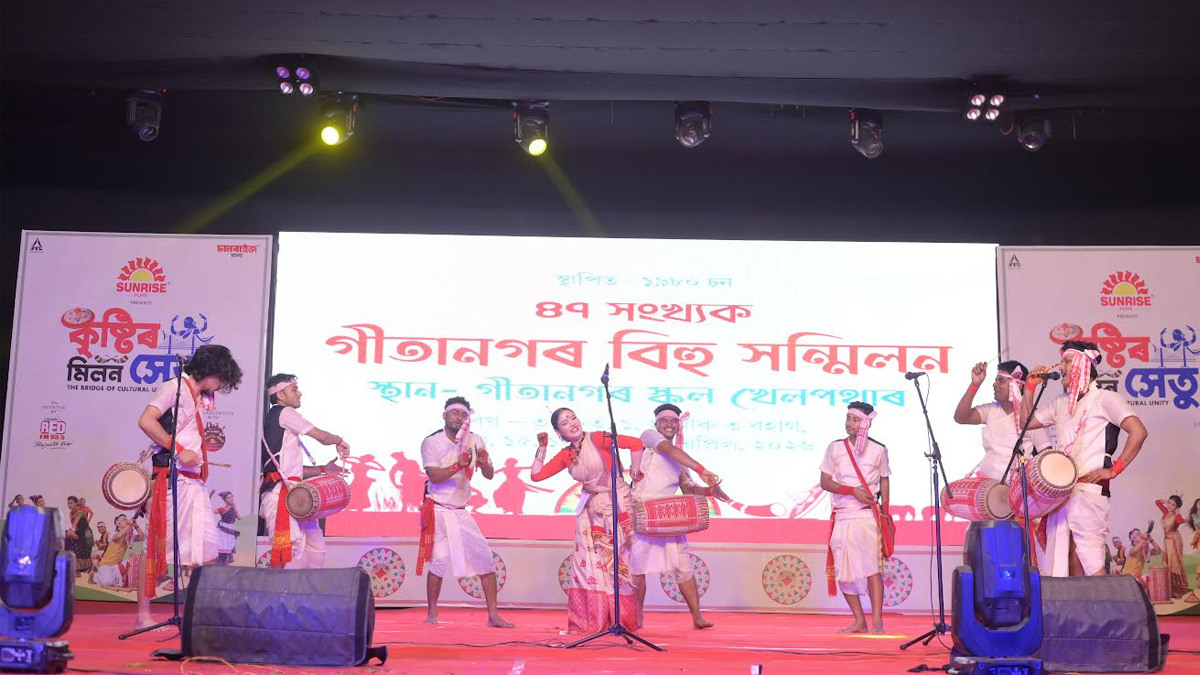
MUMBAI: Spice met spirit and the rhythm did the talking. Sunrise Spices brought more than flavour to the table this Rongali Bihu, wrapping culture, community and choreography into a four-day celebration that turned Assam’s festive mood into a living stage. Titled ‘Kristir Milan Setu – Bridge of Cultural Unity’, the event ran from April 14 to April 17, transforming the Bihu week into a showcase of the state’s diverse tribal heritage. Rather than a static celebration, the initiative leaned into performance spotlighting traditional dance forms and turning them into a participative, competitive experience.
Across the four days, 56 group performers from different communities took centre stage, representing five distinct dance traditions Assamese, Bodo, Karbi, Rabha and Mising. Each day unfolded like a cultural chapter, highlighting a different facet of Assam’s identity through rhythm, movement and storytelling.
The event culminated in a felicitation ceremony attended by Ravi Sarma, where winners were recognised across categories based on authenticity, coordination, expression and stage presence, an attempt to balance celebration with craft.
The finale dialled up the energy further with a Barabarani performance by the Tezpuriya Thespian Dance Group, closing the event on a high note that blended spectacle with tradition.
For Sunrise Spices, the play goes beyond cultural patronage. The brand, part of ITC Limited, has long positioned itself around regional authenticity whether through recipes or roots. With this initiative, it extends that narrative from the kitchen to the cultural arena, aligning food heritage with living traditions.
In a landscape where brand activations often chase visibility, this one leaned into identity using dance not just as performance, but as a reminder that culture, much like spice, is best experienced when it’s shared.