News Broadcasting
Murdoch on India visit this weekend?

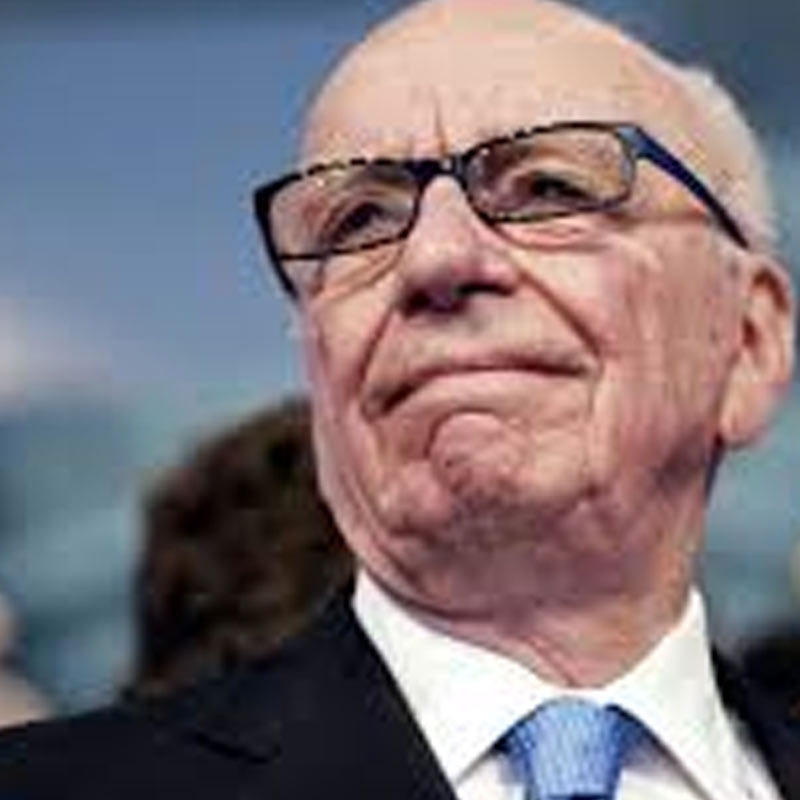
Is global media baron Rupert Murdoch coming to town? If reports are to be believed a visit is being planned for the News Corp chief to visit Bangalore, Delhi and Mumbai, (if possible) over this weekend. Murdoch last visited India, if reports are to be believed in a hush-hush meeting with the then Congress (I) strongman, Sharad Pawar in 1996 at an army base in Pune.
His earlier visit to India was in 1993-94 which was much hyped up when he was seen with various politicians, dignitaries and businessmen. He was feted wherever he went. Since 1996 he has been unable to fly into India because of a flimsy obscenity case that was pending against him for the airing of a bit of skin on Star Movies. The case apparently took an ugly turn when summons were sent to his residences/offices in Australia and the US, and an arrest warrant issued against him. The situation was so bad that he was not permitted to enter the country and declared a criminal because he did not attend court when he was summoned. He would have been arrested had he landed in the country. Since then, however, the case has been set aside and Murdoch can visit India.
During his current visit – if it takes place over the weekend – he is expected to meet the Prime Minister, information technology minister, Pramod Mahajan. His focus is expected to be on the information technology sector, in which he has suddenly begun to see lots of promise. He is also expected to give a direction to Star TV India CEO Peter Mukerjea as to how much he is willing to commit to India and in which areas. And obviously, he is going to be tomtomming Star TV’s forays into the information technology and convergence sector.
Currently, hectic preparations are on within Star TV and his once Indian partner in Star TV’s Indian DTH project Pramod Mittal who is trying to smoothen his visit out here. Obviously, a meeting with his old mate Zee Telefilms chairman Subhash Chandra is planned. For sure, he is going to thank him, Chandra has helped Murdoch make more money on his investment in Zee Telefilms than he has made through his entire Star TV operations in the past six years, thanks to an appreciation in Zee’s share price over the past six months.
Meanwhile, the media can expect to have a rollicking time. Murdoch is eminently quotable as we have known him to be.