News Broadcasting
Traditional news media still American’s first source for big stories: report

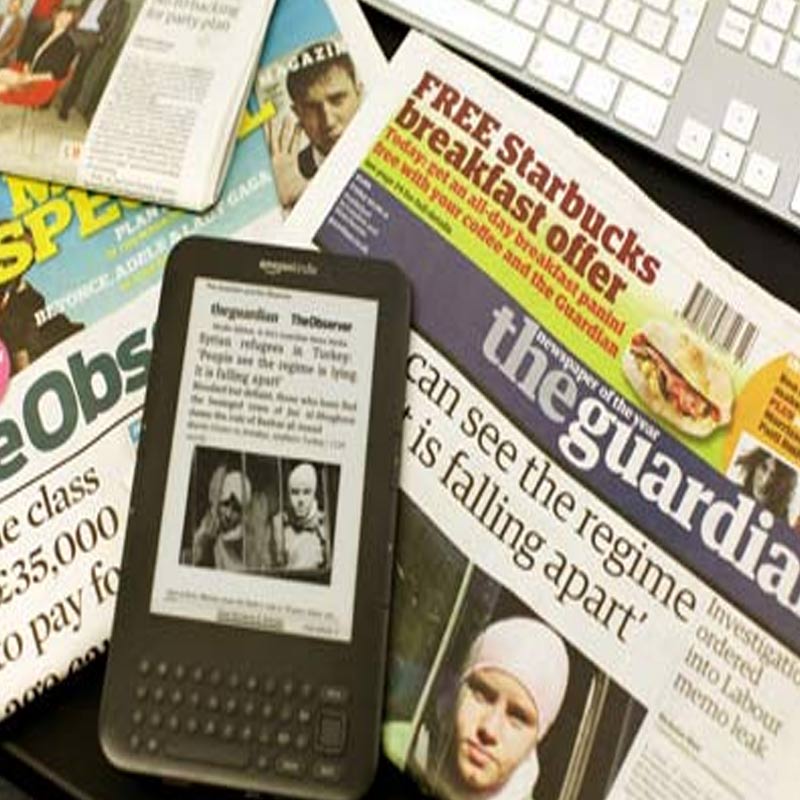
MUMBAI: Americans still support the idea of a free press as a watchdog on the government, and turn to traditional news sources on major news stories despite skepticism about bias in the news media, reveals the findings in the first segment of the 2009 State of the First Amendment national survey, conducted by the First Amendment Center.
While new innovations such as Twitter have attracted users and headlines, television and other traditional news media remain the dominant source for Americans on major new stories, the survey finds.
Television was the first source for major news stories for about half of all responding (49 per cent), followed by the Internet at 15 per cent, radio at 13 per cent and newspapers at 10 per cent– which places traditional news media (TV, radio and newspapers) as the first source for 72 per cent of Americans. Twitter, e-mails and social-networking sites each were named by 1 per cent of those responding.

Similarly, for 48 per cent of Americans TV is the primary source for followup reports on those news stories, followed by the Internet at 29% and newspapers at nine per cent.
This first segment of the State of the First Amendment 2009 survey reports how Americans view their First Amendment freedoms, as well as the reach and credibility of emerging news media. Additional segments this year will survey public opinion on specific First Amendment issues.
Other results:
71 per cent still see a free press as a necessary “watchdog on government”, though nearly half of those responding (49 per cent) strongly disagreed with the statement that the news media reports on news without bias.
Just three per cent of those who had an opinion on Twitter found it a “very reliable source of news” and 14 per cent considered it “somewhat reliable”. 21 per cent said “not reliable at all” and 13 per cent said “not too reliable”.
Many Americans have yet to “tweet”: 49 per cent of those responding didn’t know enough about Twitter to have formed an opinion. The “reliability rating” rose only marginally among the younger groups in the survey: for those ages 18-35, 3.3 per cent said “very reliable”, while it was three per cent for those ages 36-49. For older groups, the ratings fell 1.9 per cent for those aged 50-64, and 1.3 per cent for those aged 65 and older.
Just four per cent of those questioned could name “petition” as one of the five freedoms in the First Amendment, the lowest for any of the five freedoms named in its 45 words.
Only freedom of speech was named by more than half of the respondents, 55 per cent freedoms of religion, press and assembly were named by less than 20 per cent of those responding.
Nearly one in five Americans (19 per cent) saw the First Amendment as “going too far” in the rights it guarantees.
First Amendment Center VP, executive director Gene Policinski says, “The findings in this first segment of the 2009 survey suggest that while new forms of obtaining information, including Twitter and social media, are much discussed and growing in use, most Americans continue to rely on the same news organisations — including the news reports picked up by online news providers — on which they have relied for decades. Clearly, emerging media are novel and are finding an audience, but there still is room for growth on the credibility side.”


News Broadcasting
TV9 to host What India Thinks Today Summit 2026 in Delhi
PM Narendra Modi to keynote two day forum on India and the world
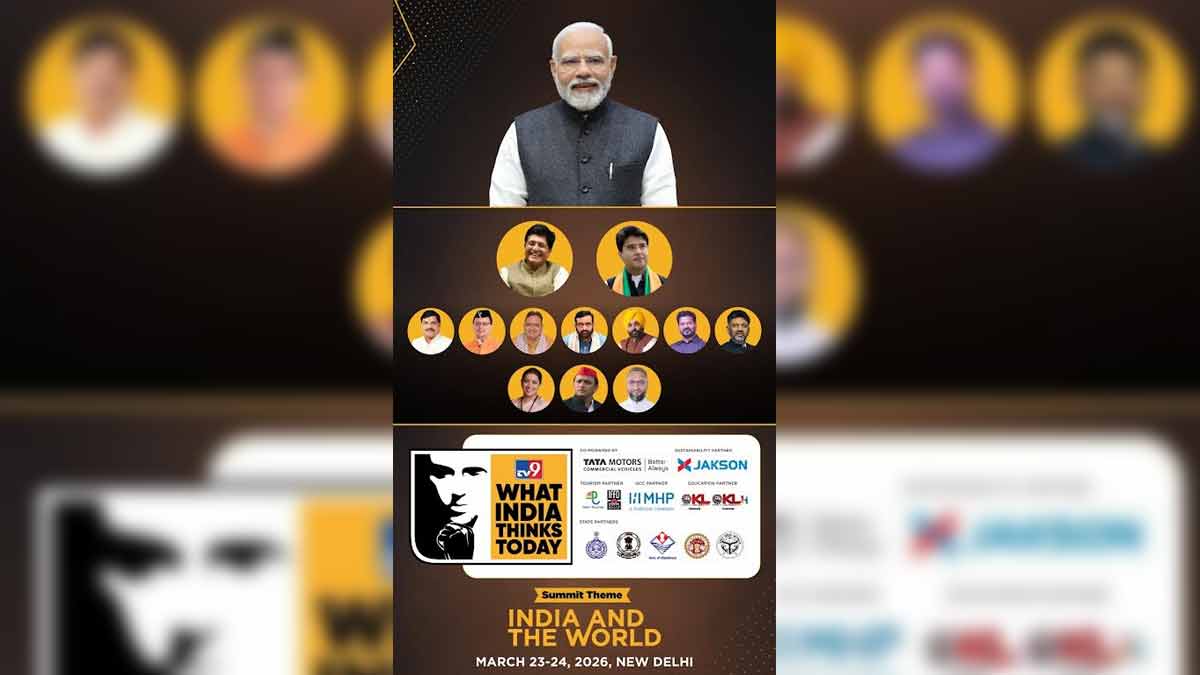
NEW DELHI: TV9 Network is gearing up to host the fourth edition of its flagship What India Thinks Today Summit 2026 on March 23 and 24 in the national capital, bringing together a wide spectrum of voices to debate India’s place in a shifting global order.
The summit will open with a keynote address by Narendra Modi, setting the tone for this year’s theme, “India and the world”, as the country positions itself at the crossroads of economic growth, geopolitical shifts and technological change.
From cabinet ministers to chief ministers, business leaders to cultural figures, the event promises a crowded stage and a lively exchange of ideas. Union ministers such as Piyush Goyal and Jyotiraditya Scindia are expected to attend, alongside state leaders including Mohan Yadav, Pushkar Singh Dhami, Bhajan Lal Sharma, Nayab Singh Saini and Bhagwant Mann.
Political voices from across the aisle, including Smriti Irani, Akhilesh Yadav and Asaduddin Owaisi, will also join the conversation, ensuring that the debates are as diverse as they are dynamic.
Adding a cultural and sporting touch, personalities such as yoga guru Swami Ramdev, poet Kumar Vishwas and cricketing names like Sourav Ganguly, Axar Patel and Arshdeep Singh are set to share the stage. Global business leaders and diplomats will further widen the lens, reflecting the summit’s international outlook.
Speaking ahead of the event, TV9 Network managing director and chief executive officer Barun Das, said India stands at a unique moment in history, combining demographic strength, technological capability and entrepreneurial energy. He noted that in uncertain times, honest conversations and bold ideas will shape the country’s trajectory.
The summit will explore themes ranging from economic growth and governance to innovation, sustainability and culture, positioning itself as a platform for dialogue at a time when the world is in flux.
With a packed agenda and a high-profile guest list, What India Thinks Today Summit 2026 aims to do more than just talk. It seeks to capture a moment where India is not only part of the global conversation, but increasingly helping lead it.








