Applications
Leading digital innovation key for success of BBC Audio and Music

MUMBAI: Unless the BBC‘s Audio and Music division makes a continued progress in three areas, it may have missed its chance to claim a primary place in the lives of people born into a digital world. The three things that will make the difference are: building a creative contribution; leading digital innovation and attracting the best people.
These remarks were made by BBC Audio and music director Tim Davie during the Manchester Media Festival. Says Davie “While the BBC has made significant progress across these areas over the last year, there is much more work to do.”
Davie notes that with the dis-intermediation of traditional media and the all-conquering power of online video, audio or at least radio is destined to recede in its importance. “One of the first questions I asked when I took over the job was: just how much listening of audio is there? And what is radio‘s share of listening? And I do not mean radio listening, I mean all audio: CDs, iPods, online – the BBC has a 55 per cent share of linear radio but what is its real “share of ear? We have just completed our first wave of this work which we hope to run annually, amazingly I don‘t think it has ever been done before. The study is the result of detailed tracking of the behaviour of nearly 2,000 people,” he says.
Audio listening remains strong with an average of 3.8 hours per day, consumed fairly equally across the population. Traditional radio, says Davie, represents an amazing 85 per cent of all audio listening. This falls to 66 per cent among the 15-18-year-olds. This has undoubtedly declined, as iPod and mobile phones have become ubiquitous, but it suggests that one will see a future environment in which traditional linear radio co-exists with on-demand listening.
“But while these results are pretty encouraging, there is clearly no room for complacency. So let‘s turn to audio content itself and my first priority: Building our unique creative contribution. One of the most intriguing and exciting pieces of data that has arrived on my desk in my first year was last quarter‘s Rajar figures which saw Radio 4 achieve record listening and Radio 3 deliver six quarters of sustained growth,” says Davie.

Applications
With 57 per cent single new users, Ashley Madison rebrands as discreet dating platform
Platform says majority of new members now identify as single
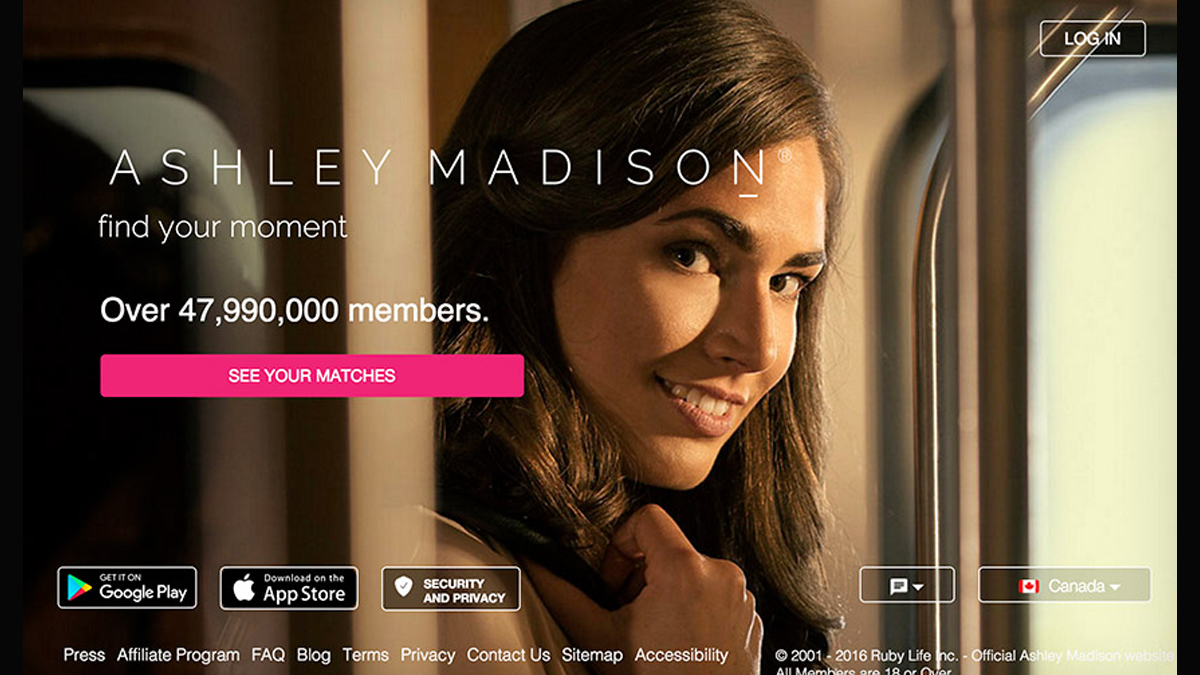
INDIA: Ashley Madison is shedding the “married-dating” label that defined it for two decades, repositioning itself as a platform for discreet dating in what it calls the post-social media age.
The rebrand, unveiled in India on 27 February, 2026, marks a structural shift in business model and identity. Once synonymous with married dating, the company now describes itself as the “premier destination for discreet dating” under a new tagline: Where Desire Meets Discretion.
The pivot is data-driven. Internal figures show that 57 per cent of global sign-ups between 1 January and 31 December, 2025 identified as single: a notable departure from the platform’s married core. The company argues that its community has already evolved beyond its original positioning.

“In an age where our lives have been constantly put on public display, privacy has become the new luxury,” said Ashley Madison chief strategy officer Paul Keable. He framed the platform’s offering as “ethical discretion” for singles, separated, divorced and non-monogamous users seeking private connections.
The shift also taps into wider digital fatigue. A global survey conducted by YouGov for Ashley Madison, covering 13,071 adults across Australia, Brazil, Canada, Germany, India, Italy, Mexico, Spain, Switzerland, the UK and the US, found mounting discomfort with hyper-public online lives.
Among dating app users, 30 per cent cited constant swiping and messaging as a source of fatigue, while 24 per cent pointed to pressure to curate public-facing profiles and early personal disclosure. Some 27 per cent said fears of screenshots or information being shared contributed to exhaustion; an equal share cited unwanted attention.
The retreat from oversharing appears broader. According to the survey, 46 per cent of adults actively try to keep most aspects of their life private online. Only 8 per cent feel comfortable sharing most aspects publicly, while 35 per cent say they are becoming more selective about what they disclose.
Ashley Madison is betting that this cultural recalibration towards controlled visibility can be monetised. By doubling down on privacy infrastructure and reframing itself around discretion rather than infidelity, the company is attempting to convert reputational baggage into a premium proposition.






