Applications
Lifeis begins operations in India

MUMBAI: Direct selling and e-commerce company Lifeis has launched in India.
The Direct Selling market, according to the Indian Direct Selling Association (IDSA), is growing at 17 per cent annually; and Lifeis is the first domestic player that originates from the South of India.
It is anticipated that the industry turnover would double in the next two years to around Rs.50 billion. Alongside with its growth, this 14-year-old industry is emerging as the key driver for the enterpreneural opportunity in India.
Lifeis says that it has designed and implemented its own mode of business – the one that combines e-Commerce solutions with Direct Selling opportunities. As a Direct Selling company, Lifeis pays associates to sell the goods and services, avoiding the typical large expenses associated with product advertising.
Lifeis enables individuals and home-based businesses to offer their friends and family large-volume discount pricing, special retail promotions and value-added services that would otherwise be unavailable to them or difficult to find.
At the same time Lifeis IT platform, which is accessible and available at all times on the Web, allows the members to retrieve a wealth of information quickly and easily, enabling the ordering process to be secure and safe.
Lifeis CEO, MD Ravi Puri notes, “In our business plan the retail
cluster mode was accepted where Lifeis centered on several groups of merchandise, namely: Beauty, Healthcare, Apparels and Textiles. Lifeis business opportunity is based on an excellent portfolio of high-quality products and brands that can only be purchased through Lifeis Business Owners.
“We distribute them through carefully organised, direct selling
networks comprised of highly motivated, independent members. The Company is implementing innovative market strategies that integrate the best of Direct Selling with the explosive power of Network Marketing to successfully grow and develop its business”.
Lifeis deputy MD Sanjay Mahajan states, “Our Corporate Code of Ethics requires truthful disclosure of product information and expressly prohibits deceptive or unlawful consumer or recruiting practices. And we are dedicated to these principles starting from our first official operations day and onward.”

Applications
With 57 per cent single new users, Ashley Madison rebrands as discreet dating platform
Platform says majority of new members now identify as single
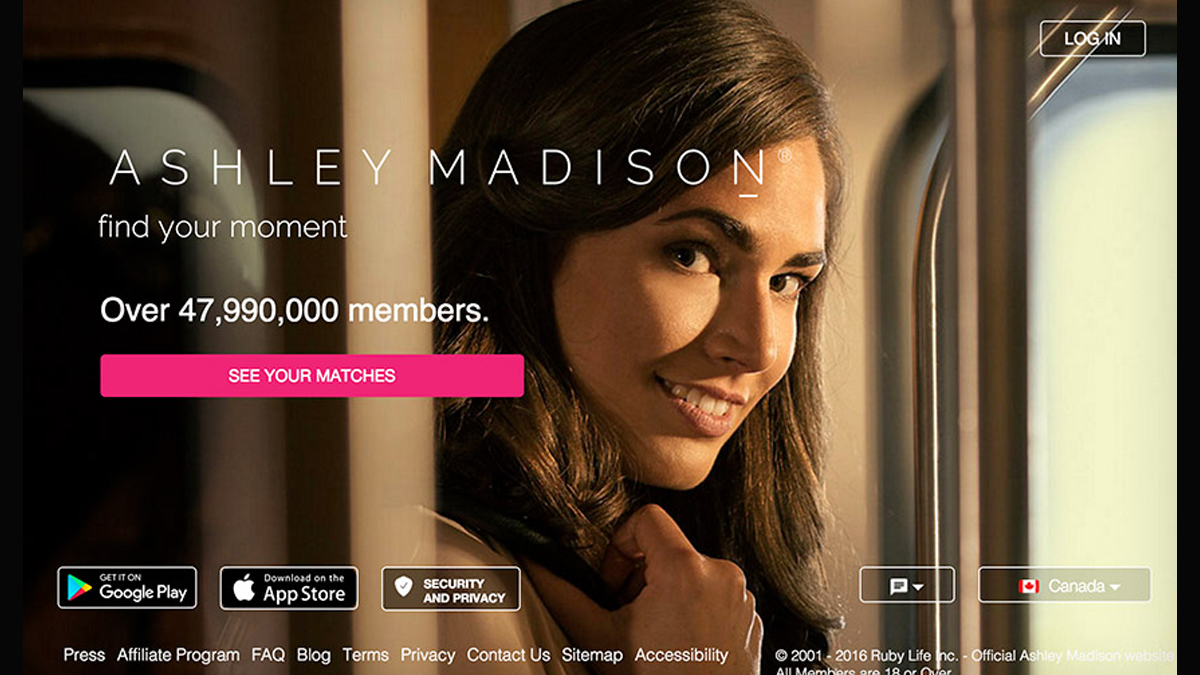
INDIA: Ashley Madison is shedding the “married-dating” label that defined it for two decades, repositioning itself as a platform for discreet dating in what it calls the post-social media age.
The rebrand, unveiled in India on 27 February, 2026, marks a structural shift in business model and identity. Once synonymous with married dating, the company now describes itself as the “premier destination for discreet dating” under a new tagline: Where Desire Meets Discretion.
The pivot is data-driven. Internal figures show that 57 per cent of global sign-ups between 1 January and 31 December, 2025 identified as single: a notable departure from the platform’s married core. The company argues that its community has already evolved beyond its original positioning.

“In an age where our lives have been constantly put on public display, privacy has become the new luxury,” said Ashley Madison chief strategy officer Paul Keable. He framed the platform’s offering as “ethical discretion” for singles, separated, divorced and non-monogamous users seeking private connections.
The shift also taps into wider digital fatigue. A global survey conducted by YouGov for Ashley Madison, covering 13,071 adults across Australia, Brazil, Canada, Germany, India, Italy, Mexico, Spain, Switzerland, the UK and the US, found mounting discomfort with hyper-public online lives.
Among dating app users, 30 per cent cited constant swiping and messaging as a source of fatigue, while 24 per cent pointed to pressure to curate public-facing profiles and early personal disclosure. Some 27 per cent said fears of screenshots or information being shared contributed to exhaustion; an equal share cited unwanted attention.
The retreat from oversharing appears broader. According to the survey, 46 per cent of adults actively try to keep most aspects of their life private online. Only 8 per cent feel comfortable sharing most aspects publicly, while 35 per cent say they are becoming more selective about what they disclose.
Ashley Madison is betting that this cultural recalibration towards controlled visibility can be monetised. By doubling down on privacy infrastructure and reframing itself around discretion rather than infidelity, the company is attempting to convert reputational baggage into a premium proposition.