MAM
Salman’s Dabangg scores on TV behind 3 Idiots


 MUMBAI: India‘s Hindi general entertainment channels are riding high on Bollywood. Salman Khan aka Chulbul Pandey, the corrupt police officer from Uttar Pradesh, has inched closer to Aamir Khan‘s 3 Idiots in performance on television, recording the second-highest ratings for a Hindi movie in recent times.
Dabangg, the biggest blockbuster of 2010, clocked a 9.2 TVR as Colors added 64 GRPs (gross rating points) from the movie premiere on 28 November. It drew in 35 million viewers in the Hindi speaking market, as per Tam data.
3 Idiots, a more popular film, had clocked a record 10.9 TVR on Sony Entertainment Television.
Dabangg enabled Colors to cross 300 GRPs after a gap of 11 weeks. The Viacom18 channel closed the week ended 4 December with 345 GRPs. The channel, however, remained at its second position as the genre leader Star Plus gained 37 GRPs to end the week with 415 GRPs.
Dabangg also raced past popular soaps to become the top-rated show across the GEC space for the week. The closest rival, Saathiya Saath Nibhana, on Star Plus earned 6.4 TVR, a glaring gap that is rare in today‘s highly competitive and fragmented GEC space.

So will Colors be able to sustain the GRP spike?
“Colors has got a huge spike due to the Salman Khan movie. It will, however, be interesting to see what the channel offers in the 9-10 pm slot once Bigg Boss gets over,” says a media observer.Meanwhile, Star Plus‘ growth in the week ended 4 December has come from weekday primetime (+7), weekday others (+3), weekday afternoon (+2), weekend original programming (+22), weekend others (+7), and weekend movies (+13). However, the channel saw a decline in weekend events (-17) as in the previous week, a television award show event had fetched a TVR of 4.

Zee TV (183 GRPs) and Sony Entertainment Television (181 GRPs) slipped by 23 and 20 GRP points respectively. The two channels maintained their third and fourth positions even as the gap between them is narrowing.





MAM
Stagwell expands Trade Desk tie up to deploy Koa Agents globally
AI agents to automate planning buying optimisation and measurement.
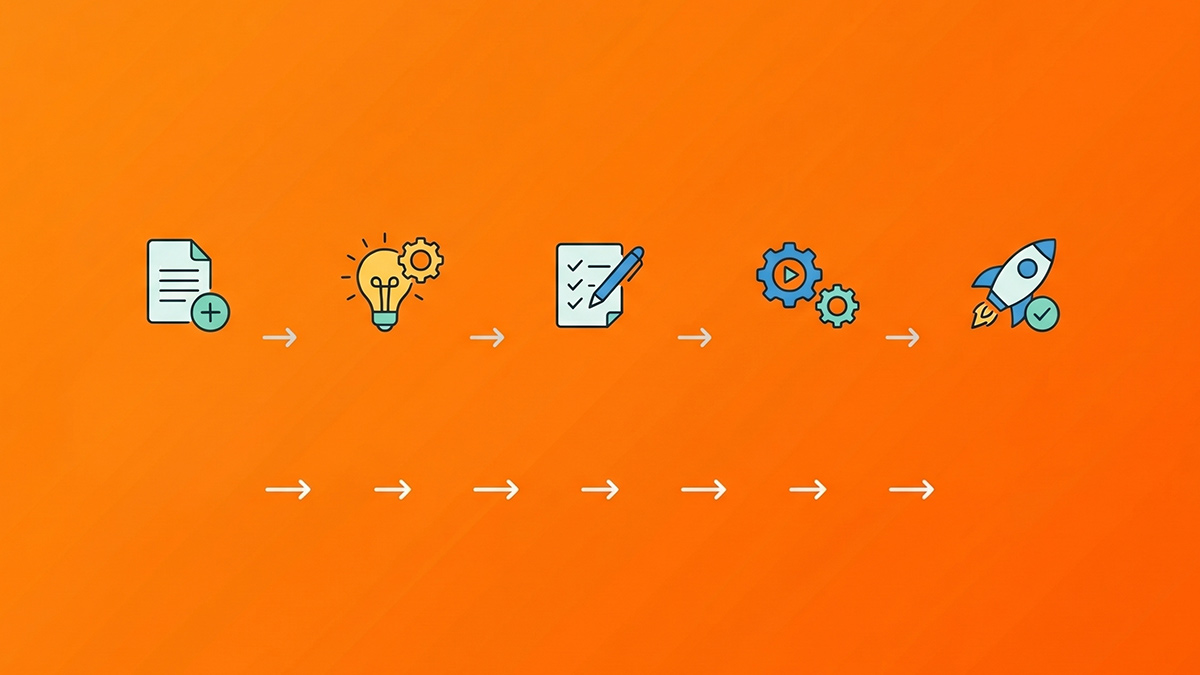
MUMBAI: Media buying may soon need fewer hands on keyboards and more prompts on screens. Stagwell has expanded its global partnership with The Trade Desk, becoming the first global marketing network to adopt Koa Agents, an alpha-stage, agentic AI system designed to overhaul how digital advertising campaigns are run.
At its core, Koa Agents flips the traditional workflow. Instead of manually configuring campaigns step by step, marketers can simply describe their objectives, with AI agents executing, optimising and refining campaigns in real time. Tasks that once took days from audience segmentation to performance analysis are now automated and continuously adjusted as conditions shift.
The integration will connect Koa Agents with Stagwell’s proprietary media ecosystem through The Trade Desk’s Open Agentic Kit, effectively stitching together planning, activation, measurement and optimisation into a single, automated loop.
The first phase of deployment will focus on two key areas. For audience planning, traders can define target segments while Koa Agents identify high-value consumers, activate campaigns across premium inventory and optimise performance dynamically. On the supply side, the system introduces deeper transparency, using quality signals such as ad-to-content ratios and refresh rates to prioritise inventory, while offering clearer visibility into pricing and margins during live campaigns.
The rollout will also introduce a conversational interface, allowing traders to query campaign performance in plain language, why it is underperforming, what is driving results, and what to change receiving real-time, actionable recommendations.
Stagwell plans to make these capabilities available to select clients in a closed beta later this summer, with a broader roadmap aimed at automating the full campaign lifecycle, including setup, troubleshooting and predictive optimisation.
The move builds on an existing partnership between the two companies, including Stagwell’s adoption of Unified ID 2.0, The Trade Desk’s privacy-focused identity framework. Combined with Koa Agents, this is expected to sharpen audience targeting, streamline cross-channel activation and improve measurement accuracy.
As advertising grows more complex behind the scenes, both companies are betting that the front end can become radically simpler where campaigns are less about clicks and controls, and more about outcomes and intent.