Applications
UTV launches social networking game based on movie Thank You

MUMBAI: UTV and Red Digital, the new media agency, have launched the official social networking game based on UTV’s Thank You.
The game is in-sync with the movie’s theme. In the movie, which released on 8 April, the plot revolves around Raj, Yogi and Vikram – best friends, business partners, serial womanisers and happily married because their lovely wives have no clue that their husbands cheat on them with every pretty young thing they can lay their eyes on. However, Raj’s wife, Sanjana (Sonam Kapur), begins to suspect her husband and hires a private detective, Kishan (Akshay Kumar), to follow him.
In the game, the user has to step in the shoes of the detective and help Sanjana to catch Raj, Yogi and Vikram red-handedly flirting with girls. In the game, a user will have to click photographs at the right time to catch the flirtatious husbands and with every five correct photographs, the user moves to the next level of the game.
UTV Motion Pictures Sr VP, marketing Shikha Kapur says, “Movie-based games are definitely becoming popular among both gamers and movie enthusiasts today. They help the movie reach out to the masses, introducing the premise of the film and giving them a chance to experience it even before the release. The game is the latest in UTV Motion Pictures’ initiatives to create interesting, interactive platforms to reach out to the movie viewing audience.”
Red Digital CEO Harsh Jain adds, “With the Thank You game, Red Digital has provided a platform for Bollywood fans to metamorphose themselves as Akshay Kumar and get immersed into the movie experience. Social media and gaming have become critical elements of every movie’s release and Red Digital is ensuring that every movie we work with maximizes their online reach and connects with their fans.”

Applications
With 57 per cent single new users, Ashley Madison rebrands as discreet dating platform
Platform says majority of new members now identify as single
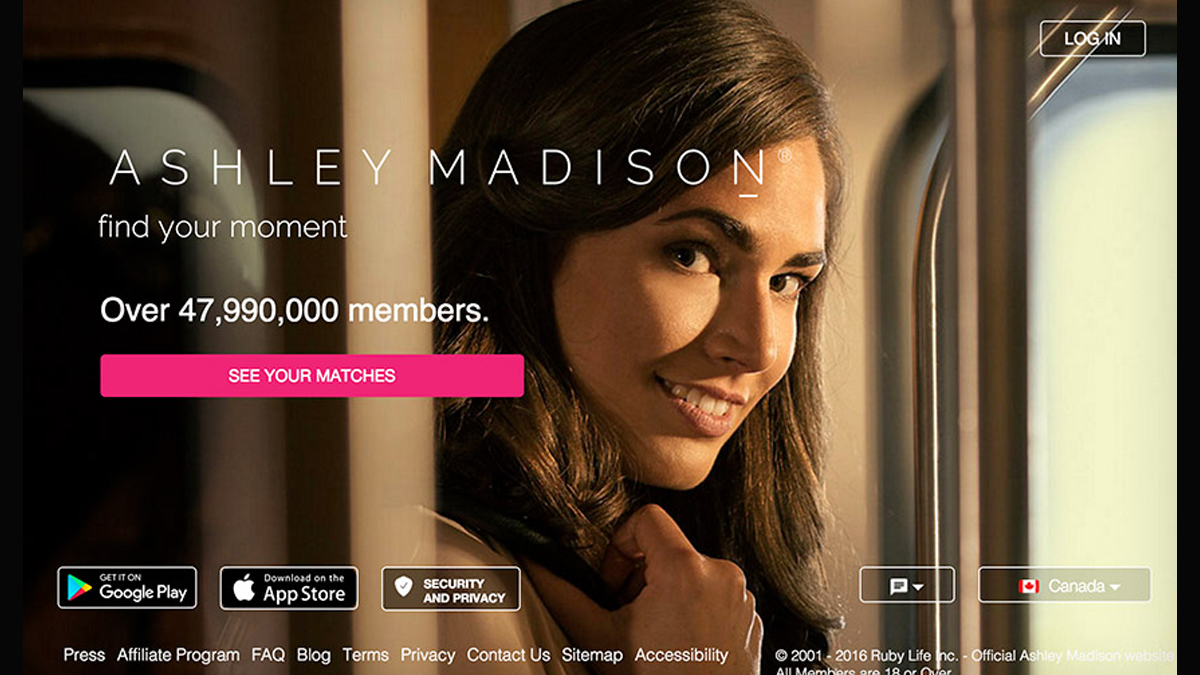
INDIA: Ashley Madison is shedding the “married-dating” label that defined it for two decades, repositioning itself as a platform for discreet dating in what it calls the post-social media age.
The rebrand, unveiled in India on 27 February, 2026, marks a structural shift in business model and identity. Once synonymous with married dating, the company now describes itself as the “premier destination for discreet dating” under a new tagline: Where Desire Meets Discretion.
The pivot is data-driven. Internal figures show that 57 per cent of global sign-ups between 1 January and 31 December, 2025 identified as single: a notable departure from the platform’s married core. The company argues that its community has already evolved beyond its original positioning.

“In an age where our lives have been constantly put on public display, privacy has become the new luxury,” said Ashley Madison chief strategy officer Paul Keable. He framed the platform’s offering as “ethical discretion” for singles, separated, divorced and non-monogamous users seeking private connections.
The shift also taps into wider digital fatigue. A global survey conducted by YouGov for Ashley Madison, covering 13,071 adults across Australia, Brazil, Canada, Germany, India, Italy, Mexico, Spain, Switzerland, the UK and the US, found mounting discomfort with hyper-public online lives.
Among dating app users, 30 per cent cited constant swiping and messaging as a source of fatigue, while 24 per cent pointed to pressure to curate public-facing profiles and early personal disclosure. Some 27 per cent said fears of screenshots or information being shared contributed to exhaustion; an equal share cited unwanted attention.
The retreat from oversharing appears broader. According to the survey, 46 per cent of adults actively try to keep most aspects of their life private online. Only 8 per cent feel comfortable sharing most aspects publicly, while 35 per cent say they are becoming more selective about what they disclose.
Ashley Madison is betting that this cultural recalibration towards controlled visibility can be monetised. By doubling down on privacy infrastructure and reframing itself around discretion rather than infidelity, the company is attempting to convert reputational baggage into a premium proposition.