Applications
Google sites are top online video property in the US: Comscore

MUMBAI: Google Sites, driven primarily by video viewing at YouTube.com, ranked as the top online video content property in July with 158.1 million unique viewers, while VEVO ranked second with 62.1 million. Facebook.com climbed to the #3 position with 51.4 million viewers, followed by Microsoft Sites with 49.5 million and Viacom Digital with 47.3 million.
Total viewing sessions reached another all-time high in July at nearly 6.9 billion, with Google Sites crossing the 3 billion mark to account for more than 40 percent of all viewing sessions online. The average viewer watched 18.5 hours of online video content during the course of the month, with Google Sites (5.9 hours) and Hulu (3.4 hours) exhibiting the highest engagement.
comScore, Inc. (NASDAQ: SCOR), a leader in measuring the digital world, today released data from the comScore Video Metrix service showing that 180 million U.S. Internet users watched online video content in July for an average of 18.5 hours per viewer. The total U.S. Internet audience engaged in a record 6.9 billion viewing sessions.
comScore is now able to provide YouTube Partner Reporting within the Video Metrix offering, for a never-before-seen look at viewership across hundreds of YouTube partners and their channels. This new feature provides a comprehensive and granular view of the unique audiences within different YouTube partner channels, enabling advertisers to more-easily create and optimize campaigns across specific channels to reach desired target audiences. The July data release for YouTube Partner Reporting includes dozens of beta partners, while comScore and Google plan to initiate reporting of more partners with the release of August data.
A first look at select YouTube partners from the current list of beta partners revealed that Machinima reached 16.9 million viewers with the highest engagement at 1.2 hours per viewer over the course of the month. Maker Studios drew 11.4 million viewers, who viewed an average of 8.9 videos, while Demand Media attracted 15.2 million viewers.
Channels with particularly niche audiences included Maker Studios with 50 percent of their viewers falling between the ages of 12-24, and IGN with 70 percent of its audience being male viewers. In addition, men account for 83 percent of the time spent viewing Revision3’s shows, whereas women account for over 66 percent of the time spent viewing Alloy’s YouTube videos. Howcast was also notable in that 75 percent of its viewing audience had children in their households. comScore is proud to be the first and only measurement source available to provide the industry with YouTube insights of this caliber.
Americans viewed more than 5.3 billion video ads in July, with Hulu generating the highest number of video ad impressions at 963 million. Adap.tv ranked second overall (and highest among video ad exchanges/networks) with 674 million ad views, followed by Tremor Video (639 million) and BrightRoll Video Network (522 million). Time spent watching video ads totaled more than 2.4 billion minutes during the month, with Hulu delivering the highest duration of video ads at 409 million minutes. Video ads reached 49 percent of the total U.S. population an average of 35.9 times during the month. Hulu delivered the highest frequency of video ads to its viewers with an average of 40.4 over the course of the month.

Applications
With 57 per cent single new users, Ashley Madison rebrands as discreet dating platform
Platform says majority of new members now identify as single
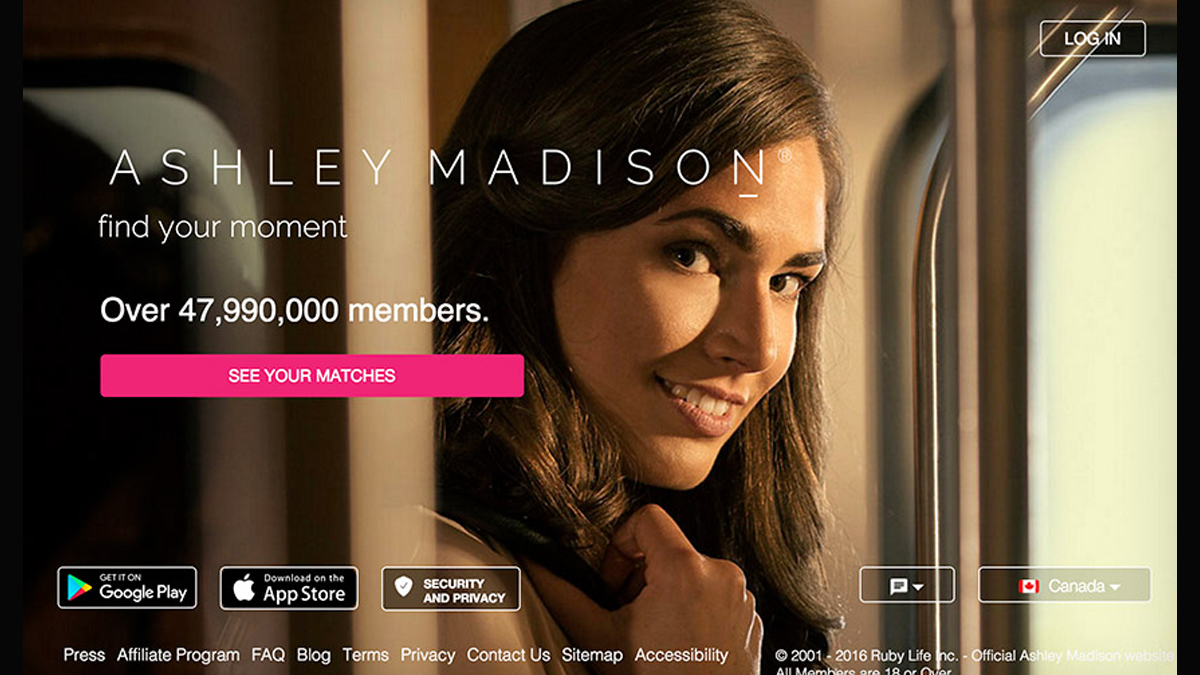
INDIA: Ashley Madison is shedding the “married-dating” label that defined it for two decades, repositioning itself as a platform for discreet dating in what it calls the post-social media age.
The rebrand, unveiled in India on 27 February, 2026, marks a structural shift in business model and identity. Once synonymous with married dating, the company now describes itself as the “premier destination for discreet dating” under a new tagline: Where Desire Meets Discretion.
The pivot is data-driven. Internal figures show that 57 per cent of global sign-ups between 1 January and 31 December, 2025 identified as single: a notable departure from the platform’s married core. The company argues that its community has already evolved beyond its original positioning.

“In an age where our lives have been constantly put on public display, privacy has become the new luxury,” said Ashley Madison chief strategy officer Paul Keable. He framed the platform’s offering as “ethical discretion” for singles, separated, divorced and non-monogamous users seeking private connections.
The shift also taps into wider digital fatigue. A global survey conducted by YouGov for Ashley Madison, covering 13,071 adults across Australia, Brazil, Canada, Germany, India, Italy, Mexico, Spain, Switzerland, the UK and the US, found mounting discomfort with hyper-public online lives.
Among dating app users, 30 per cent cited constant swiping and messaging as a source of fatigue, while 24 per cent pointed to pressure to curate public-facing profiles and early personal disclosure. Some 27 per cent said fears of screenshots or information being shared contributed to exhaustion; an equal share cited unwanted attention.
The retreat from oversharing appears broader. According to the survey, 46 per cent of adults actively try to keep most aspects of their life private online. Only 8 per cent feel comfortable sharing most aspects publicly, while 35 per cent say they are becoming more selective about what they disclose.
Ashley Madison is betting that this cultural recalibration towards controlled visibility can be monetised. By doubling down on privacy infrastructure and reframing itself around discretion rather than infidelity, the company is attempting to convert reputational baggage into a premium proposition.







