MAM
India West Indies Test series average at 3.76 TVR

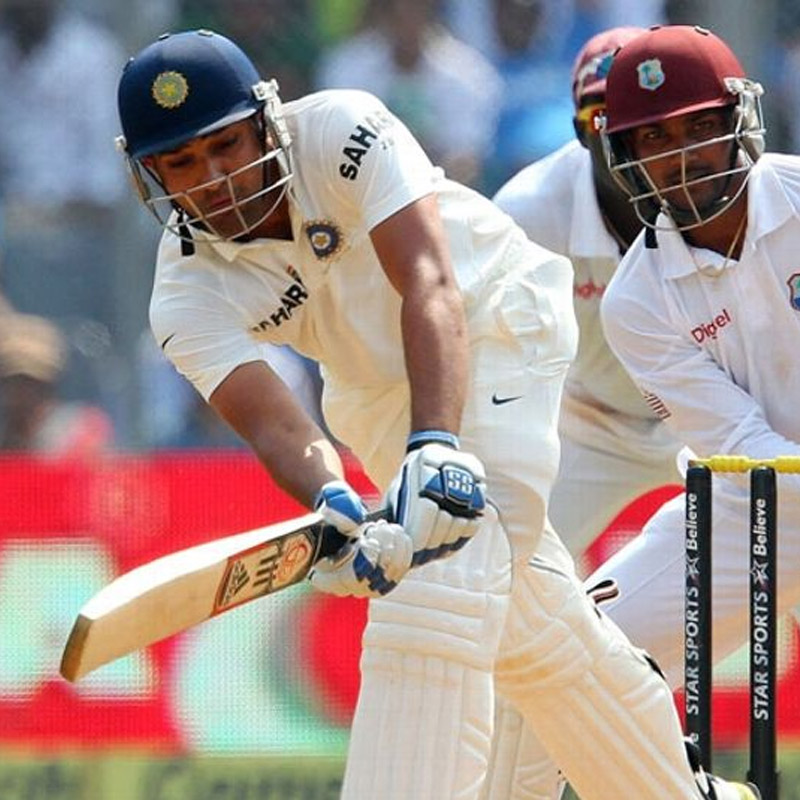
MUMBAI: Debunking the notion that viewer fatigue might happen with India cricket taking place almost every month, the recently concluded three match Test series at home between India and West Indies averaged a TVR of 3.76 on Neo Cricket according to Tam data for c&s 4+ market.
This was much better compared to the TVR of 2.49 that the away three match Test series between the two countries had managed on Ten Cricket earlier in the year. Of course timings also played a big role in the performance in addition to the fact that the big names were present.
Not surprisingly the highest rated match this time was the drawn match in Mumbai where both teams finished on the same score. That match got a TVR of 4.36. All the three Test matches crossed a TVR of 3. This shows that if the quality of the match is good and India is doing well then viewers will tune in.

MPG India senior director R Venkatasubramanian called the delivery amazing for Test cricket. “The series had exciting cricket being played. Each match was interesting and there were turning points.”He adds that the CPRP for both the India West Indies series away and at home was satisfactory.







MAM
Worldwide Travel Insurance for Indian Travellers: How to Find a Plan Without Geographic Gaps in Your Protection

Travelling to more than one country can make insurance selection more complex, because a policy that looks broad at first may still leave certain destinations, transit points, or regions outside its scope. For Indian travellers, this can lead to gaps in cover during a medical emergency or travel disruption abroad.
Here’s a guide to understanding how worldwide coverage works, which plan types to review, and how to check for geographic exclusions before choosing a policy.
Why Geographic Coverage Matters in Travel Insurance
When travellers look for the best travel insurance, medical cover and premium often get early attention, but geographic scope matters just as much. A policy may appear broad while still limiting cover in certain countries, regions, or travel routes.
This can affect hospital access, emergency support, evacuation terms, and non-medical benefits. For Indian travellers visiting more than one destination, checking where the policy applies is an important way to avoid gaps in protection.
Types of Worldwide Travel Insurance Plans Available to Indians
Worldwide travel insurance may be available in different formats, and each one should be reviewed based on the route, trip pattern, and list of destinations.
Single-Trip Travel Insurance
This type of policy is generally chosen for one overseas journey with fixed departure and return dates. It may suit travellers visiting one country or more than one destination during the same trip. The policy still needs to be checked carefully to confirm whether every destination on the itinerary is covered during the full travel period.
Multi-Trip Annual Insurance
This type of plan may be suitable for travellers who visit different countries several times a year. It can be useful only when the policy’s covered regions match the countries included across those trips. Before choosing it, travellers should check trip duration limits, region-wise exclusions, and whether all intended destinations are covered under the annual plan.
Region-Specific Plans
Some policies are built for selected regions rather than for the whole world. These plans may be arranged by destination groups such as Asia, Europe, or broader international zones. They may be suitable in some cases, but they should be reviewed carefully if the journey includes stopovers, connecting countries, or travel beyond the listed region.
Comprehensive Worldwide Plans
These plans are usually reviewed by travellers who want broader international cover across multiple destinations. However, a plan described as worldwide may still have country-wise limits, separate terms for certain regions, or limits on healthcare access and emergency services. The wording should therefore be checked in detail before relying on the description alone.
Key Coverage Areas That Ensure Global Protection
A worldwide policy should be reviewed for the coverage points that matter when travel includes more than one country or a wider international route. These areas help show whether the plan is suitable for broader overseas travel and not limited to only a few listed destinations.
● Cover that applies to all countries listed in the itinerary, not only the main destination.
● Cover for transit stops and connecting countries that are part of the planned journey.
● Clear mention of excluded countries, restricted regions, or destinations not covered under the policy.
● Emergency medical and assistance support that remains available while travelling across different countries.
● Evacuation and repatriation terms that continue to apply during multi-country travel.
How to Check for Geographic Exclusions Before Buying
Geographic exclusions are often found in the detailed wording rather than in the headline promise of the plan. A careful review before purchase can help travellers understand whether the policy matches their travel route.
● Check the destination list in the policy schedule.
● Read whether excluded countries, sanctioned regions, or restricted zones are mentioned in the wording.
● Review whether transit stops and connecting destinations are mentioned as covered travel locations.
● Check if medical network access differs across countries even when the policy appears globally valid.
● Read whether adventure activities, cruises, or remote locations have separate geographic conditions.
● Review assistance and claim support terms to see if they apply equally across all covered destinations.
Conclusion
A travel insurance plan cannot be judged only by premium, destination label, or the word worldwide term alone. For Indian travellers, geographic scope needs close attention because exclusions and regional limits may affect how the policy works during the journey. A careful review of plan type, covered locations, medical support, and destination-specific terms may help reduce avoidable gaps.