MAM
Venkat Mallik to head Tribal DDB India & RAPP
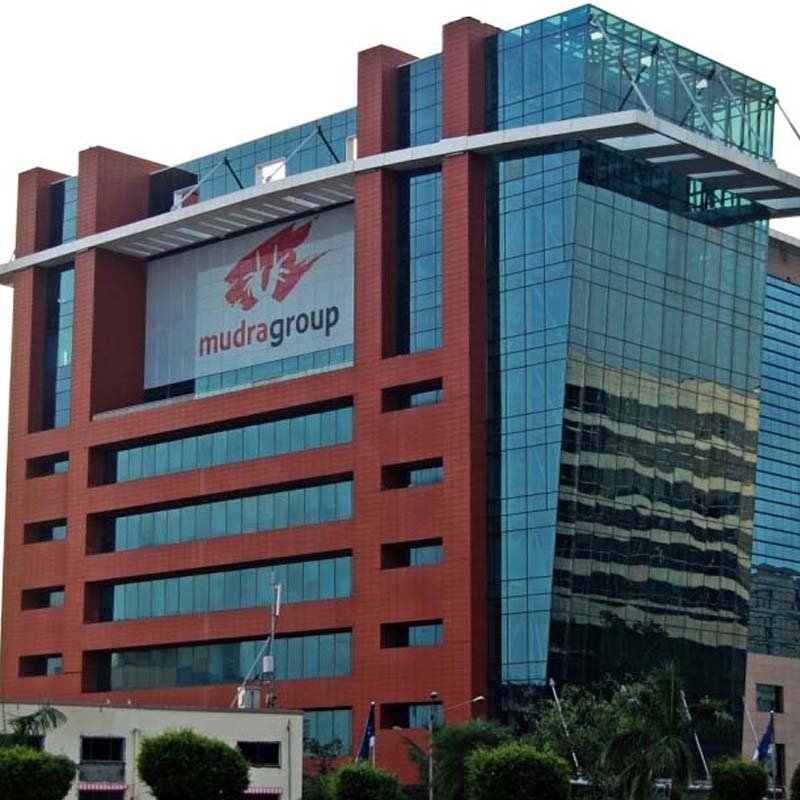
MUMBAI: DDB Mudra Group has handed over the responsibility of heading Tribal DDB India operations to Venkat Mallik. He will also continue to lead RAPP India.
Mallik comes in with nearly 20 years of experience. He joined RAPP in 2009 as their president India. Prior to this, he worked with companies like JWT, Leo Burnett, Euro RSCG and Unilever.
Mudra Group CEO & MD Madhukar Kamath said, “With around a 100 million Internet users, digital advertising is acquiring mainstream proportions and it is important to create a leadership structure for Tribal DDB which understands both digital and mainstream brand marketing communications well. With his background in advertising, brand marketing, online gaming and data and digital communication, Venkat brings a combination of skills needed to build Tribal DDB, as well as RAPP at this juncture.”
Mallik‘s brand experience spans 50 different brands and categories, including leading brands from companies like Unilever, SmithKline Beecham, ITC, Indian Oil, Ultratech, Sara Lee, Van Melle, CavinKare, Standard Chartered Bank, HDFC, Tata Communications and HP.
On his new role, Mallik said, “It’s exciting to have the mandate to grow RAPP and Tribal DDB, both of which are leading global new age agencies. We are looking to scale up both agencies quickly while leveraging synergies between them.”
Tribal DDB India has a client list that include Idea Cellular, Star TV, McDonald’s, Tourism Australia and Emirates. RAPP handles clients like Hewlett Packard, Standard Chartered Bank, Johnson & Johnson and Tata Communications.

Brands
Tata Consumer Products highlights workplace bias with no repeat campaign
Women often repeat ideas to be heard; Tata campaign spotlights bias
MUMBAI: In many offices, a familiar moment unfolds. A woman shares an idea in a meeting. The room nods politely, then moves on. A few minutes later, someone else repeats the same thought and suddenly it lands.
This International Women’s Day, Tata Consumer Products is drawing attention to that quiet but persistent workplace dynamic through TheNoRepeatCampaign, an initiative that highlights how often women must repeat themselves before their ideas are acknowledged.
Conceptualised by Schbang, the campaign centres on a mockumentary-style film featuring a corporate employee known simply as “Doobara”, which literally means “again”. The character symbolises the many women across workplaces who find themselves restating their ideas during meetings, brainstorms and presentations before they receive recognition.
The campaign is grounded in research that reflects a broader workplace pattern. According to McKinsey & Company’s Women in the Workplace 2024 report, 39 percent of women say they are interrupted or spoken over in professional settings. Research by Perceptyx in 2022 adds to that picture, with 19 percent of women reporting frequent interruptions and 42 percent saying it happens at least sometimes.
Tata Consumer Products head of corporate communications and investor relations Nidhi Verma, said the campaign aims to bring a commonly experienced but rarely discussed bias into the open.
“Workplaces thrive when every voice is heard the first time it speaks. With #TheNoRepeatCampaign, we wanted to shine a light on a bias that many women experience but rarely gets called out openly. By encouraging teams to listen more consciously and acknowledge ideas fairly, we hope to create environments where contributions are valued for their merit, not the number of times they need to be repeated,” she said.
The film cleverly mirrors the very behaviour it critiques. Through deliberate repetition in the storytelling, viewers experience the subtle frustration of having a point overlooked until someone else echoes it back to the room.
The initiative also ties into Tata Consumer Products’ internal SpeakUp culture, which encourages employees to share ideas and feedback openly while emphasising the shared responsibility of listening and acknowledging contributions.
Schbang president of solutions Jitto George, said the insight behind the campaign came from everyday workplace observations.
“The insight was simple but powerful. Many women have experienced moments where their ideas gain traction only after someone else repeats them. We wanted the storytelling to reflect that reality in a way that feels relatable, slightly uncomfortable and difficult to ignore. The mockumentary format helped capture that everyday dynamic while prompting viewers to rethink how conversations unfold in their own workplaces,” he said.
Aligned with International Women’s Day 2026’s theme, “Give To Gain”, the campaign underlines a simple message. When organisations give attention, acknowledgement and visibility to women’s voices, the entire workplace benefits.
After all, when good ideas are heard the first time, they do not need a second attempt.