MAM
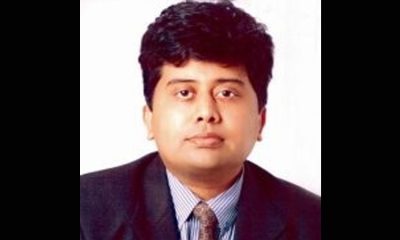
Harshad Hardikar back at OgilvyOne for second innings
MUMBAI: Harshad Hardikar has returned to Ogilvy. He rejoins as senior vice president, ecommerce and CRM practice, OgilvyOne India. Hardikar‘s previous stint was at rediff.com where he spent a year handling Rediffshopping.
Before joining rediff.com, Hardikar was with OgilvyOne for four years as Mumbai head. He has over 15 years experience in CRM/loyalty that he garnered during his work years with Select Direct, iContract, ICICI Bank and OgilvyOne. He was responsible for the launch of India‘s first coalition loyalty programme called iMint (now Payback).
Hardikar said, “I am glad to be back at OgilvyOne. We are witnessing unprecedented growth for Ecommerce and ECRM in India. Our clients are actively looking for solutions to sell online as a cost efficient revenue stream. My mandate at OgilvyOne is to lead this practice nationally and manage our clients Ecommerce/CRM needs end to end.”
OgilvyOne India president Kunal Jeswani said, “The best service we can do for our clients is to bring in talent that can make a difference to their business. Harshad represents just that, the best available talent in CRM and Ecommerce. He understands the intricacies of digital relationship marketing and can use it to demonstrate a real impact on our clients businesses.”

MAM
Google Pay launches Pocket Money feature for teen UPI access
New UPI Circle feature lets teens pay via parents with oversight.
MUMBAI: Pocket money just got a digital upgrade and it now comes with parental controls built in. Google Pay has rolled out a new campaign to spotlight ‘Google Pay Pocket Money’, a feature designed to bring teenagers into India’s fast-evolving digital payments ecosystem. Built on UPI Circle in partnership with the National Payments Corporation of India, the feature allows teenagers to create UPI IDs linked directly to their parents’ bank accounts. The hook is simple: young users can transact independently, while parents retain real-time visibility and control over spending.
The campaign, conceptualised by TBWA\Lintas, plays out through a series of slice-of-life films featuring teenagers navigating everyday scenarios from grabbing snacks to handling small expenses without the usual payment friction. The insight is sharp: teens today may be confident in most aspects of life, but payments still come with a dependency clause.
Fronting the films is Vaibhav Sooryavanshi, the 15-year-old cricket prodigy whose rise across domestic and international circuits mirrors the campaign’s central theme early independence backed by structure. His presence adds a layer of credibility, positioning financial autonomy as a natural extension of growing up.
The storytelling leans on relatability rather than product heavy messaging, framing the feature as a bridge between freedom and responsibility. It subtly pitches Pocket Money not just as a payment tool, but as an entry point into financial literacy, one that lets teenagers learn by doing, without stepping outside parental guardrails.
The rollout spans television, digital and social platforms, with high visibility during the ongoing Indian Premier League 2026 season, a strategic placement aimed at capturing both young audiences and family viewership.
At a time when UPI has become second nature to Indian consumers, Google Pay’s latest move signals the next frontier, onboarding the next generation of users earlier, but with a safety net. Because in the world of digital money, independence may be earned but oversight, it seems, is here to stay.