MAM
Mobile accounts for 44% of media consumption by connected Indian consumers

MUMBAI: Havas Digital‘s mobile marketing network Mobext India carried out a study titled ‘Role of the Connected Device in the branding and buying cycle of a Consumer‘. The global study was carried out in association with independent mobile advertising network Inmobi and covered 10,000 respondents and seven markets. It explains how consumers use their connected device which in turn impacts shopping and media consumption habits. Mobext also carried out another study named ‘Asian Advertisers/Marketers attitude towards Mobile Marketing‘ across six Asian markets.
In India, the connected device study was run uniquely across mobile/smartphone, laptop and tablet users and examined the media consumption habits of more than 2800 respondents in India. The survey revealed that 80 per cent of respondents said the mobile/smartphone was their primary device while 13 per cent stated that the laptop/desktop primary device and 7 per cent mentioned the tablet. According to the study, the average connected Indian consumes nine hours of media daily with mobile representing 44 per cent of it.
The study also reflected on the time when each device‘s usage peaked in India. Results showed that while tablet usage peaked between 6 pm to midnight and is used at home, mobiles/smartphones and laptops are used between 9 am and 11 pm and are the primary access device from office.
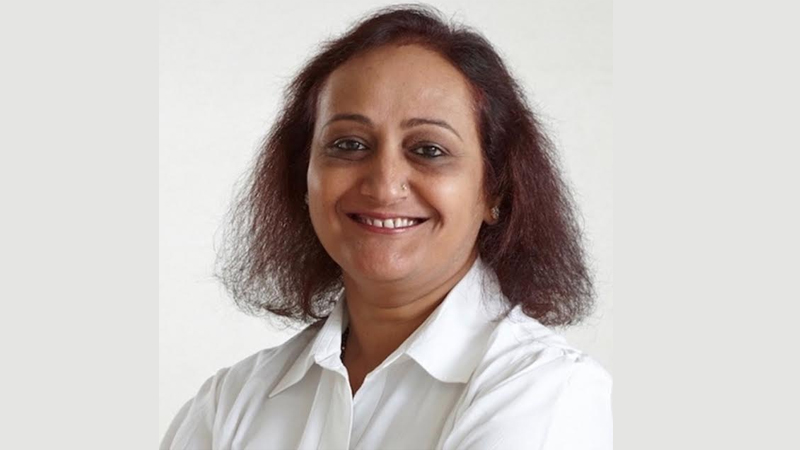
Havas Media India and South Asia CEO Anita Nayyar said, “As Indian consumers are increasingly spending more time on their mobile devices and using them differently for different purposes, brands have more opportunities to interact meaningfully with their customers. Media planners can take advantage of their unique roles in the decision making process by optimizing the connected device path to purchase to create a holistic media/advertising strategy.”
Forty six per cent of the respondents listed mobile/smartphone as the preferred device for communication while 43 per cent said they used it for entertainment and 40 per cent for information. The study indicated the 32 per cent picked the mobile for shopping and 23 per cent used the laptop/desktop as the next choice.
The study also showed that connected devices increased awareness through their reach during the day. Forty three per cent users consumed mobile/smartphone for research while 44 per cent used laptops and 30 per cent used mobile for shopping. Tablet influence was found to be the highest in all purchase cycles except in shopping/buying where the laptop is preferred a trend expected to change considering global behaviour.
“It goes to show how connected devices, namely the mobile in India, will play a significant role in a purchase decision. With the market expected to grow at 50 per cent to 60 per cent annually over the next few years, India is a very important market in the Asia Pacific for Mobext and Havas Media and we plan to get aggressive on this front”, said Havas Media Asia Pacific CEO Vishnu Mohan.
According to the survey, connected devices also lent to creating a double screen effect, as tablets were the preferred device while watching TV, followed by mobiles/smartphones and laptops.
Mobext Asia Pacific head of mobile Arthur Policarpio explained, “In the UK and US, the tablet seems to be the device of choice. In India, it is an important emerging device as its penetration increases, especially for niche brands with direct reach to their customers. We‘ve seen that 42 per cent of users share it with their family and 41 per cent use it while watching TV; showing more eyeballs with the probability to buy.”
The study also revealed that device purchase cannibalized other media consumption habits as 21 per cent of smartphone users read a book in print less, while 22 per cent watched less TV and 16 per cent reduced time on the internet via a laptop. Thirty per cent of tablet purchasers read fewer books in print with 31 per cent watching lesser TV.
80 per cent of the activities done across all the devices in the prior month were on entertainment (video, music, games, etc), revealing entertainment, as an important sector for influencing a buy decision. In-store behaviour was also affected as 15.7 per cent of smartphone buyers and 16 per cent of tablet buyers visited a physical store less.
“It is not about Mobile but mobility which has created a paradigm shift in the way consumers access media, search for information and shop. These studies reflect our endeavor to understand this behavior, enabling us to create engaging, compelling and meaningful conversation both with brands and consumers”, added Mobext India and South Asia general manager Arnav Ghosh.
Insights from the ‘Asian Advertisers Attitude to Mobile Marketing‘ are as follows –
- The primary benefits of mobile marketing cited by marketers are the ability to target consumers by location or geo-targeting (84.5 per cent ) and personalised, one-to-one communications (63.1 per cent ).
- 33 per cent say mobile marketing is a cost-efficient channel while 57 per cent it is too early to tell
- A staggering 47.6 per cent of respondents say that mobile will be equally important as TV in the next 2 years. 44 per cent say that mobile will be more important than radio in the next 2 years.
- 60 per cent say they do not use a third-party organization (such as a mobile agency) to manage their mobile marketing efforts. And yet, respondents who use a third party agency report higher satisfaction with results of their mobile campaigns.
55 per cent say they plan on investing in mobile in the next 12 months.
Two hundred and sixty respondents across six Asian Markets – Indonesia, Philippines, India, Hong Kong, Singapore and Malaysia were surveyed for this study.