International
How celebrities should use Twitter
MUMBAI: Twitter might limit its users to a 140 characters but it isn’t just a tool to make small talk!
Despite its popularity, not every celebrity seems to have used the platform effectively. Recently, Sylvester Stallone and Megan Fox decided to skip tweeting, calling this a futile effort to connect with fans.
This resulted in a destruction of a perfect bridge between these actors and their fans, causing them to lose out on a substantially large audience online: a loss not echoed by Twitter.
Little did Sylvester and Megan know that the micro-blogging platform has worked wonders for several celebrities online including Justin Bieber, the teenage pop sensation, who currently enjoys the love of 33,931,436 fans on Twitter; Britney Spears, the American singer and entertainer, currently has 23,639,424 fans; and Lady Gaga has 33,760,113 followers.
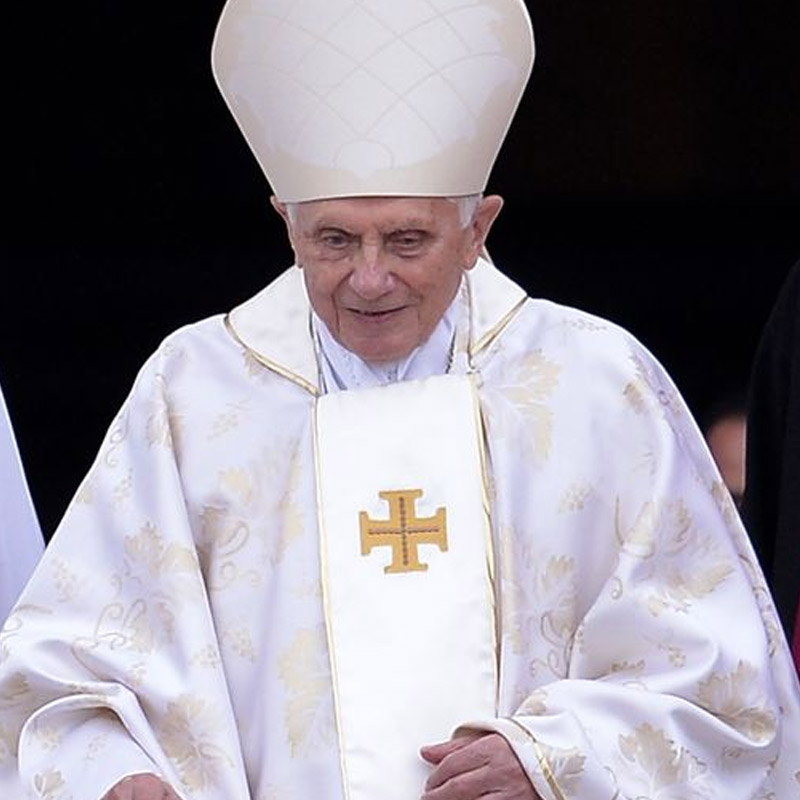
Twitter is the perfect platform between celebrities and their fans because it allows direct communication. This gives fans the opportunity to read tweets by their favourite personalities in real-time. Also, this communication isn’t one-way, since celebrities too can have a peek at what their fans think about them and respond as and when they wish. Besides celebrities, prominent world figures including Barack Obama and His Holiness Pope Benedict XVI are also active on the micro-blogging platform.
Quitting Twitter shows a lack of understanding of the power of social media platforms on a celebrity’s part. Their inability to adapt to it could be cited as a reason for this shift away from the platform.
It’s only a matter of time until every celebrity and world figure understands the true potential of connecting with their audiences online while realising the importance of staying in touch with the quickly transitioning world of technology.
It seems like Megan and Sylvester will be at loss in the long-run, having quit Twitter; certainly not the other way around!

International
Utopai Studios unveils 4K three-minute video generation for PAI platform
New Story Agent and editing tools aim to streamline AI-led filmmaking workflows
MUMBAI: Utopai Studios has announced a major upgrade to its PAI storytelling AI platform, introducing what it claims is an industry-first capability to generate three-minute videos in 4K resolution, alongside enhancements to its Story Agent feature.
The update, rolling out from April 15, expands the platform’s capabilities across the filmmaking process, from early concept development to post-production. The company said the new features are designed to help filmmakers maintain continuity across characters, scenes and visual styles, a key challenge in AI-driven storytelling.
At the heart of the release is a next-generation model that enables more structured narrative development, allowing creators to move more seamlessly from idea to execution. With tools such as multi-shot sequencing and multi-turn editing, the platform aims to give both studios and independent creators greater control over complex storytelling workflows.
Commenting on the launch, Utopai Studios co-founder and CTO Jie Yang said, “The next phase of AI in media will not be defined by isolated tools, but by systems that can carry story, continuity and collaboration across the full creative process.” He added that the update is a step towards enabling more practical, end-to-end narrative development at a professional level.
Echoing this, Utopai Studios co-founder and chief scientific officer Zijian He said, “Generative video is opening the door to a new production model, where creative ambition is less constrained by traditional cost and complexity.” He noted that the platform combines multimodal models with iterative editing to give creators more speed, control and consistency.
The company said PAI is already being used in professional film and television productions, particularly in Hollywood, for tasks such as pre-visualisation, scene design and post-production refinements. The latest update adds features including improved voice options, character consistency, unlimited editing and more flexible asset management.
Utopai also emphasised that its models are not trained on copyrighted material, positioning the platform as a cleaner alternative for creators and rights holders navigating the evolving AI landscape.
As AI continues to reshape content creation, Utopai’s latest push signals a shift from standalone tools to integrated systems, aiming to make high-quality filmmaking faster, more flexible and increasingly accessible.