MAM
92.7 Big FM makes key level appointments in ad sales team


Mumbai: Reliance Broadcast Network has announced the consolidation and strengthening of ad sales functions within its radio business, 92.7 Big FM, through strategic elevations across key positions.
As a part of the new appointments Ashwin Padmanabhan’s has been promoted as business head of Big FM. He was earlier business head for West and South of the radio network.
Nitin Jain takes over as national sales head of 92.7 Big FM while Shalini Dureja moves to vice president, head impact sales west and south. Dureja’s new role requires her to service key clients, selling key innovations and intellectual properties, while maximising
revenues.

Meanwhile, Kiran Thangarajan has also been promoted to cluster head of Big FM, Tamil Nadu and Kerala. Charanjeet Arora moves to the position of regional business head – North, which includes the regions of Uttar Pradesh, Madhya Pradesh, Bihar, Jharkhand, and Rajasthan.
Sanjeev Sharma, who joined 92.7 BIG FM in 2010 as the regional head (govt. business) based in Chandigarh, has grown to take up the role of national head – government business, where he will be responsible for revenue generation for both the radio and television businesses.
Reliance Broadcast Network CEO Tarun Katial said, “We have always been immensely proud of the quality of our workforce. It is they who help create ever-growing value for our customers while driving profitable growth for the company. As the radio business continues to dominate key markets across India, we feel the need to streamline business divisions to derive maximum value within us. We are confident that these moves will help us transform into a more holistic radio business and see us achieving better growth in the near future.”






MAM
Raghu Rai passes away at 83, leaves behind iconic legacy
Padma Shri-winning photographer documented history across 5 decades.
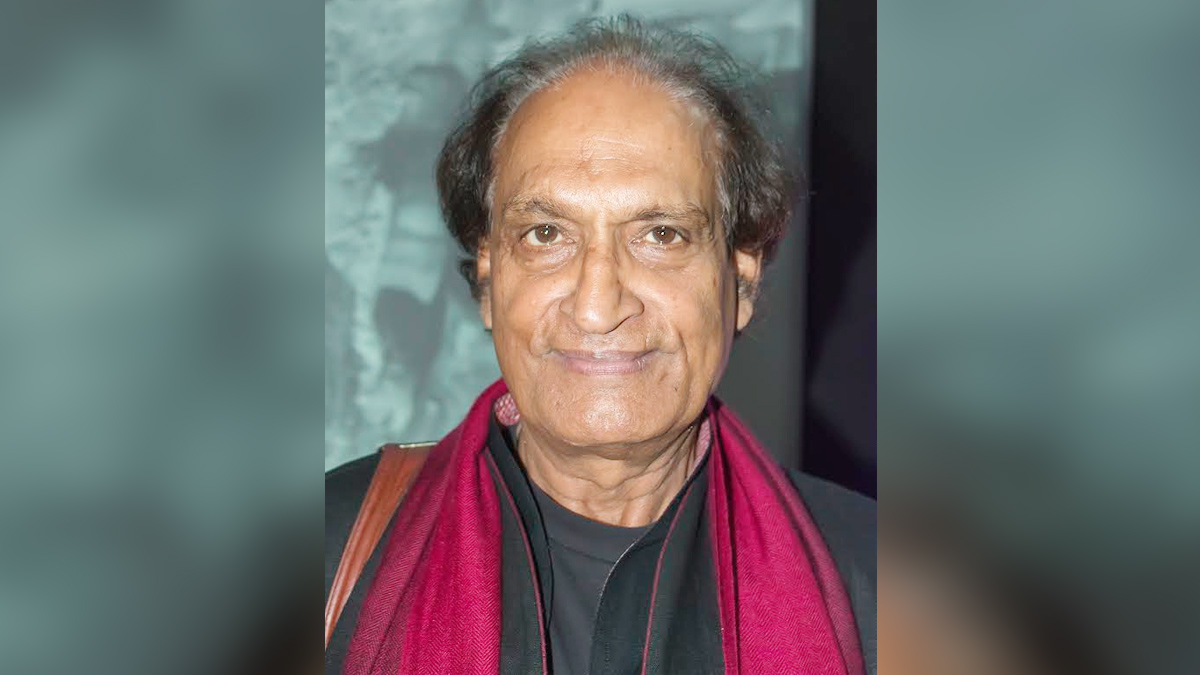
MUMBAI: The lens may have stilled, but the stories it captured will never fade. Raghu Rai, one of India’s most celebrated photojournalists, passed away on April 26, 2026, at the age of 83. He breathed his last at a private hospital in New Delhi after battling cancer and age-related health issues.
His son, Nitin Rai, revealed that Rai had been diagnosed with prostate cancer two years ago, which later spread to the stomach and, more recently, the brain. Despite multiple rounds of treatment, his health had declined in recent months.
Born in 1942 in Jhang, Punjab (now in Pakistan), Rai entered photography in his early twenties, inspired by his elder brother, photographer S. Paul. Beginning his career in the mid-1960s, he went on to build a body of work that spanned more than five decades, contributing to global publications such as Time, Life, GEO, Le Figaro, The New York Times, Vogue, GQ and Marie Claire.
His global recognition took a decisive leap in 1977 when legendary French photographer Henri Cartier-Bresson nominated him to join Magnum Photos, placing him among the world’s most respected visual storytellers.
Rai’s lens chronicled both power and poignancy. He photographed towering figures such as Indira Gandhi, Dalai Lama, Bal Thackeray, Satyajit Ray and Mother Teresa, while also documenting defining moments like the Bhopal gas tragedy later captured in his book Exposure: A Corporate Crime.
Over the years, he published more than 18 books, building an archive that blended journalism with artistry. His contributions were recognised early when he was awarded the Padma Shri in 1972 for his coverage of the Bangladesh War and refugee crisis. In 1992, he was named “Photographer of the Year” in the United States for his work in National Geographic, and in 2009, he was honoured with the Officier des Arts et des Lettres by the French government.
Rai is survived by his wife Gurmeet, son Nitin, and daughters Lagan, Avani and Purvai. His last rites will be held at Lodhi Cremation Ground in New Delhi at 4 pm on Sunday.
With his passing, Indian photojournalism loses not just a pioneer, but a patient observer of history, one frame at a time.