Cable TV
Cable TV subscribers unhappy with raised subscription fees

KOLKATA: Indiantelevision.com has done a series of reports on the concerns of local cable operators (LCOs) and multi system operators (MSOs) around the process of digitisation.
However, what we haven’t touched upon yet is the response of city-based cable TV consumers to DAS, especially the 30 to 50 per cent increase in subscription charges over the past two months.
Cable subscribers in Barasat, Hooghly, Khardah, some parts of Salt Lake and northern Kolkata – regions that fall under DAS 1 – are learnt to be fuming over LCOs’ decision to randomly increase subscription rates.
So much so, some of them are refusing to pay subscription fees while others are willing to pay just the fees, sans the service tax and amusement tax components and without getting proper bills from the LCOs.

Cable Operators Digitalisation Committee of the Association of Cable Operators convener Swapan Chowdhury says: “Customers were expecting to get the bills and now, on not getting the bills, are upset. Some are not willing to pay even the monthly rental.”
Analyst Namit Dave feels customers who were used to paying on an average Rs 60 – Rs 90 during the analogue regime are uncomfortable shelling out higher viewing charges.
According to cable ops in Shyam Bazaar and north Kolkata, customers who used to pay Rs 120 per month are raising a hue and cry when asked to pay Rs 150 as monthly rental.
“We really do not know how to explain things and convince people,” said a cable operator.
Barasat resident Tumpai Das argued that the sudden increase of subscription fee from Rs 150 to Rs 280 was unjustified.
“The local cable operators have not added anything new in terms of quality in connection or channels. They have started collecting this amount for the past two months. If they are not controlled, soon they may hike again,” he rues.
“We are not being issued a valid bill. When we ask for a bill, they just write it in a white paper and issue it. If the cable operators are not controlled, they would fleece us to any extent. We would have no other option but to opt for DTH connection if they hike the charges further,” says a retired teacher from Hooghly.
Meanwhile, Cable Operators Sangram Committee general secretary Apurba Bhattacharya feels that going forward the situation is unlikely to change unless billing begins.




Cable TV
Hathway Cable appoints Gurjeev Singh Kapoor as CEO
Leadership change comes as cable TV faces shrinking subscriber base and modest earnings pressure
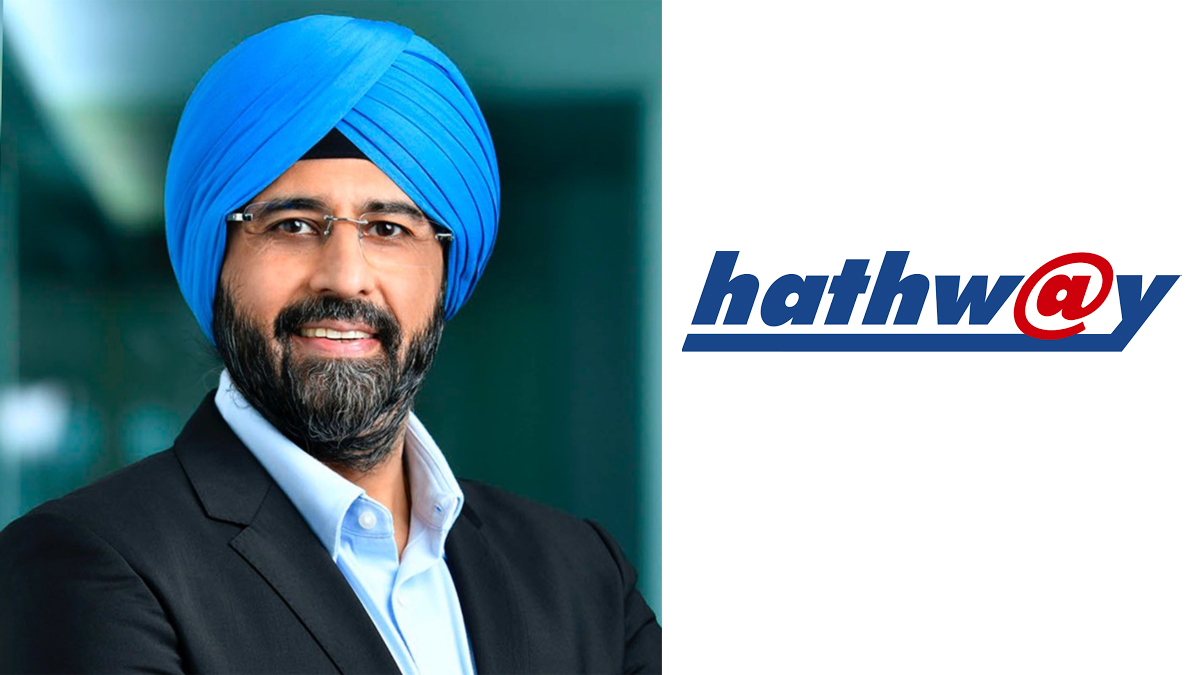
MUMBAI: Hathway Cable and Datacom has tapped industry veteran Gurjeev Singh Kapoor as chief executive officer, marking a leadership pivot at a time when India’s cable television business is under mounting strain.
Kapoor will take over from Tavinderjit Singh Panesar, who is set to retire in August after a long innings with the company. Panesar, chief executive since 2023, has held multiple leadership roles at Hathway, including his latest stint beginning in 2022.
Kapoor brings more than three decades of experience in media and entertainment. He most recently led distribution at The Walt Disney Company’s Star India business, now part of JioStar. His career spans television distribution and affiliate partnerships, with stints at Sony Pictures Networks India, Discovery Communications and Zee Entertainment.
Panesar, with over three decades in the industry, has worked across strategic planning, distribution and business development in media, broadcasting and manufacturing. His past associations include ESPN Star Sports, Star India, Apollo Tyres and JK Industries.
The transition lands as the cable sector grapples with structural disruption. Traditional operators are losing ground to streaming platforms, while telecom and broadband players tighten the squeeze with bundled offerings.
An EY report estimates India’s pay-TV base could shrink by a further 30 to 40 million households by 2030, taking the total down to 71 to 81 million. The slide follows a loss of nearly 40 million homes between 2018 and 2024, a contraction that has already wiped out more than 37,000 jobs in the local cable operator ecosystem.
Hathway’s numbers reflect the strain. The company reported a consolidated net profit of Rs 93 crore for FY25, down from Rs 99 crore a year earlier. Revenue inched up to Rs 2,040 crore from Rs 1,981 crore. As of December 2025, it had about 4.7 million cable TV subscribers and roughly 1.02 million broadband users.
Kapoor steps in with a familiar brief but a shrinking playbook. In a market where viewers are cutting cords faster than companies can reinvent them, the new chief executive inherits a business fighting to stay plugged in.